
Fruit Food Library
When can babies have currants?
Can babies have currants?
Babies can have currants from 6 months, as long as fresh currants are mashed or flattened and dried currants are softened and chopped or blended. Whole currants are small, round and firm enough to be a choking risk. Currants are not a common allergen.
How to serve currants by age
Shapes and textures change as your baby’s grasp and chewing grow.

6 months
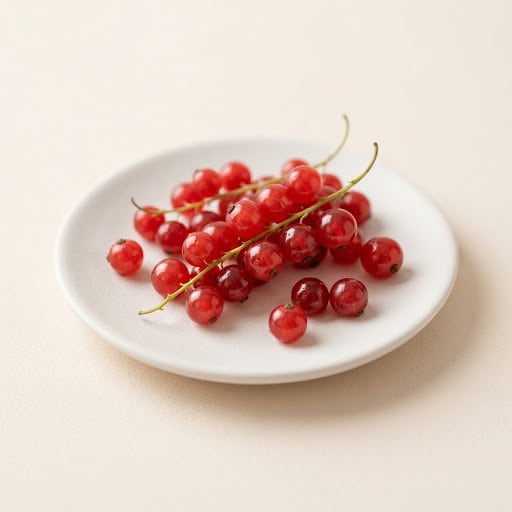
Blend or finely mash fresh red, black or white currants with the stems removed, and press the puree through a sieve if the skins and seeds feel gritty. Stir it into yogurt, oatmeal or mashed banana and serve it on a spoon. Dried currants should be soaked in hot water until plump and blended smooth, never served whole.

7–8 months
Fork-mash fresh currants more roughly and stir them into thicker oatmeal or yogurt, or spread the mash on a soft toast strip your baby can hold. Soaked dried currants should still be blended or minced finely into food.

9–12 months
Flatten each fresh currant between your fingers so it is no longer round and let your baby pick them up with a pincer grasp. Soaked dried currants can be finely chopped and stirred into porridge or baked into soft muffins.

12 months +
Toddlers can have fresh currants flattened or halved and offered alongside other fruit. Bake dried currants into scones, muffins or pancakes, and keep loose whole dried currants for later as they are sticky and easy to inhale.
Why it’s good
Fresh currants, especially black currants, are very high in vitamin C, which helps babies absorb iron from beans, grains and greens. Currants also bring fiber, potassium and colorful plant pigments called anthocyanins. Dried currants are more concentrated in sugar and calories, so they work best as a small mix-in.
Safety notes
- Never serve whole round currants to babies and young toddlers. Mash, flatten or blend them, because small round fruits can block a child's airway.
- Dried currants are firm and sticky. Soak them in hot water until plump, then chop or blend them, and avoid loose whole dried currants until your child is chewing well.
- Black currants are very tart. Pair them with sweeter foods like banana or yogurt rather than adding sugar.
- Skip black currant juice and cordials before 12 months. After that, offer only small amounts of diluted 100 percent juice, as fruit drinks often contain added sugar.
- Rinse fresh currants well and remove stems and any moldy berries before serving.
A low-allergy food, still worth watching
Currants are not a common allergen, though rare reactions to berries have been reported. Introduce a small amount and watch for rash, hives, lip swelling or vomiting, and know that a red rash around the mouth from acidic berries is often irritation rather than allergy.
Currants for babies: questions parents ask
Quick answers about currants for babies and toddlers.
When can babies have currants?
Babies can have currants from 6 months, when they start solid food. Fresh currants should be mashed or flattened, and dried currants should be softened and blended or chopped finely.
Can babies have currants?
Yes, babies can eat currants when they are prepared in a safe shape. Currants are a great source of vitamin C, and their tart flavor helps babies get used to sour tastes.
Are currants a choking hazard for babies?
Yes, currants are a choking hazard for babies when served whole, because they are small and round. Mash or flatten fresh currants, soften and chop dried currants, and always stay close while your baby eats.
Are currants a common allergen?
No, currants are not a common allergen and are not one of the Top 9 food allergens. Allergic reactions to currants are uncommon, but watch for signs like hives or swelling the first few times.
How do I serve currants to a 6 month old?
To serve currants to a 6 month old, remove the stems, blend or finely mash fresh currants and mix them into yogurt, oatmeal or mashed banana on a spoon. Currant mash spread thinly on a toast strip can follow at 7–8 months.
Can babies have dried currants?
Babies can have dried currants if they are soaked until soft and then blended or finely chopped into other foods. Whole dried currants are sticky and firm, so keep them out of loose handfuls until your child is a strong chewer, usually well after age 2.
When can babies drink black currant juice?
Babies should not have black currant juice or currant cordial before 12 months. After 12 months, small amounts of diluted 100 percent black currant juice are fine occasionally, but whole fruit is the better choice.
Are currants the same as raisins?
Dried currants in many US stores, often called Zante currants, are actually tiny dried grapes, while fresh red, black and white currants are a different berry. Both types are choking risks whole and should be softened, mashed or chopped for babies.
Can currants help with baby constipation?
Currants contain fiber and natural sugars that can help soften stools when offered with plenty of fluid. Mash a spoonful of fresh currants into oatmeal or yogurt alongside other high-fiber foods like pears and prunes.
The takeaway
- Babies can have currants from 6 months, as long as fresh currants are mashed or flattened and dried currants are softened and chopped or blended.
- Blend or finely mash fresh red, black or white currants with the stems removed, and press the puree through a sieve if the skins and seeds feel gritty.
- Choking risk is medium. Not a Top 9 allergen, but offer a small amount first and watch for any reaction.
Read next



Sources
This guide follows current advice from these organizations.
- Starting Solid Foods American Academy of Pediatrics (HealthyChildren.org)
- When, What, and How to Introduce Solid Foods Centers for Disease Control and Prevention
- Choking Hazards Centers for Disease Control and Prevention
- Choking Prevention American Academy of Pediatrics (HealthyChildren.org)
- Foods and Drinks to Avoid or Limit Centers for Disease Control and Prevention
- Dietary Guidelines for Americans, 2020-2025 U.S. Department of Agriculture and HHS
Track every new food in your baby’s passport
Track the first 100 foods and the Top 9 allergens. 7 days free.
More fruit for babies
Updated November 2026. Reviewed by our dietitians. Based on AAP, CDC and NIAID guidance. Written for healthy, full-term babies; not a substitute for your pediatrician. If your baby was born early, has a medical condition, feeding difficulties or a known allergy, check with them first (medical disclaimer). Always stay with your baby while they eat.