
Fruit Food Library
When can babies have dried apricots?
Can babies have dried apricots?
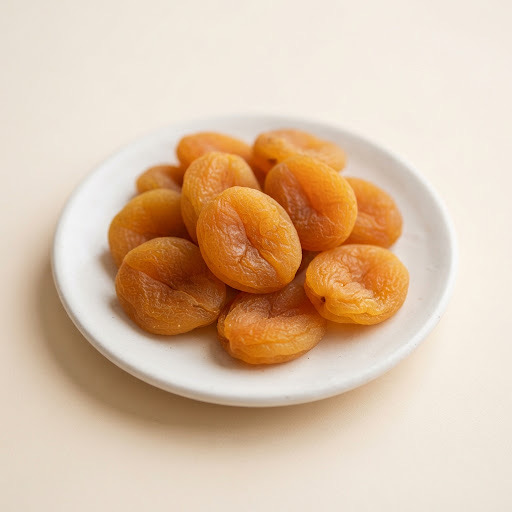
Babies can have dried apricots from about 6 months, but only when they are soaked or simmered until soft and then pureed or chopped very finely. Dried apricots are sticky and chewy, which makes them a high choking risk if served whole or in pieces. Save whole dried apricots for older toddlers with strong chewing skills.
How to serve dried apricots by age
Shapes and textures change as your baby’s grasp and chewing grow.

6 months
Soak unsulfured dried apricots in hot water for 15 to 20 minutes or simmer them for 5 minutes until very soft. Blend into a smooth puree and stir a teaspoon or two into oatmeal, yogurt or mashed sweet potato on a spoon.

7–8 months
Keep rehydrating dried apricots until very soft, then blend them less finely or mince them and stir into thicker oatmeal or yogurt. You can also spread a thin layer of the puree on a soft toast strip, but do not offer chewy apricot pieces.

9–12 months
Keep rehydrating dried apricots until they squash easily between your thumb and finger, then chop them into tiny bits, about the size of a grain of rice, and mix them into soft foods like porridge or muffins. Do not offer larger chewy pieces yet.

12 months +
Toddlers can have rehydrated dried apricots chopped into small pieces, or baked into muffins, oat bars and stews. Keep dry, whole dried apricots for later in toddlerhood, once your child chews well and sits calmly while eating.
Why it’s good
Dried apricots give babies fiber, potassium and beta carotene (vitamin A) for eyes, skin and immunity. They contain some plant iron, but the amount in a baby-sized portion is small, so pair them with iron-rich foods like beans, meat or fortified cereal. Their natural sugars are concentrated, so a little goes a long way.
Safety notes
- Dried fruit is a high choking risk because it is sticky, chewy and hard to break down. Always rehydrate dried apricots and puree or mince them for babies.
- Many dried apricots are treated with sulfites to keep their bright orange color. Choose unsulfured (brown) dried apricots for babies, especially if anyone in the family has asthma or a sulfite sensitivity.
- Check the label for added sugar, oil or sweetened coatings, and pick dried apricots with apricots as the only ingredient.
- Dried apricots stick to teeth. Offer them with meals rather than as a grazing snack, and brush teeth twice a day once teeth come in.
- Large amounts of dried apricots can cause loose stools or gas. Start with a teaspoon or two of puree.
A low-allergy food, still worth watching
Dried apricots are not a common allergen, though apricot allergy can occur, sometimes in people with birch pollen or other stone fruit allergies. Sulfites in brightly colored dried apricots can trigger wheezing or hives in sensitive people, so start with unsulfured fruit and watch for any reaction.
Dried apricots for babies: questions parents ask
Quick answers about dried apricots for babies and toddlers.
When can babies have dried apricots?
Babies can have dried apricots from about 6 months, once they are ready for solids, as long as the apricots are soaked until soft and pureed or minced. Whole or chopped dry pieces are a choking risk and should wait until toddlers chew well.
Can babies have dried apricots?
Yes, babies can eat dried apricots when they are rehydrated and blended or chopped very finely. Dried apricots should be a small part of a meal rather than a snack on their own because they are sweet and sticky.
Are dried apricots a choking hazard for babies?
Yes, dried apricots are a high choking hazard for babies because they are chewy, sticky and hard to break down with gums. Soaking dried apricots and then pureeing or mincing them lowers the risk, and you should always stay with your baby while they eat.
Are dried apricots a common allergen?
No, dried apricots are not a common allergen, although a few babies can react to apricots or other stone fruits. Sulfites used to preserve many dried apricots can also cause reactions, so choose unsulfured fruit for babies.
How do I serve dried apricots to a 6 month old?
To serve dried apricots to a 6 month old, simmer or soak unsulfured dried apricots until very soft, then blend them into a smooth puree. Stir a spoonful into oatmeal, yogurt or mashed sweet potato and offer it on a spoon. Spreading it thinly on a soft toast strip can wait until 7–8 months.
Do dried apricots help with baby constipation?
Dried apricots can help with constipation because they are rich in fiber and natural sugars that draw water into the gut. A teaspoon or two of dried apricot puree with a meal, plus enough fluids, is a gentle place to start, and talk to your pediatrician if constipation lasts.
Should I choose sulfured or unsulfured dried apricots for my baby?
Unsulfured dried apricots are the better choice for babies. Unsulfured dried apricots are brown rather than bright orange, and they avoid sulfur dioxide, which can trigger breathing problems or hives in sensitive people.
Are dried apricots a good source of iron for babies?
Dried apricots contain some plant iron, but a baby-sized portion does not provide much. Serve dried apricots alongside iron-rich foods like lentils, beef, eggs or iron-fortified cereal, where their natural vitamin C content can help a little with absorption.
When can toddlers eat whole dried apricots?
Whole dried apricots are best saved for older toddlers who chew well, take small bites and sit down to eat. Until then, tear dried apricots into small pieces or soften them first, and always supervise.
The takeaway
- Babies can have dried apricots from about 6 months, but only when they are soaked or simmered until soft and then pureed or chopped very finely.
- Soak unsulfured dried apricots in hot water for 15 to 20 minutes or simmer them for 5 minutes until very soft.
- Choking risk is high. Not a Top 9 allergen, but offer a small amount first and watch for any reaction.
Read next


Sources
This guide follows current advice from these organizations.
- Starting Solid Foods American Academy of Pediatrics (HealthyChildren.org)
- When, What, and How to Introduce Solid Foods Centers for Disease Control and Prevention
- Choking Hazards Centers for Disease Control and Prevention
- Choking Prevention American Academy of Pediatrics (HealthyChildren.org)
- Foods and Drinks to Avoid or Limit Centers for Disease Control and Prevention
- Dietary Guidelines for Americans, 2020-2025 U.S. Department of Agriculture and HHS
Track every new food in your baby’s passport
Track the first 100 foods and the Top 9 allergens. 7 days free.
More fruit for babies


Updated November 2026. Reviewed by our dietitians. Based on AAP, CDC and NIAID guidance. Written for healthy, full-term babies; not a substitute for your pediatrician. If your baby was born early, has a medical condition, feeding difficulties or a known allergy, check with them first (medical disclaimer). Always stay with your baby while they eat.