
Fruit Food Library
When can babies have cranberries?
Can babies have cranberries?
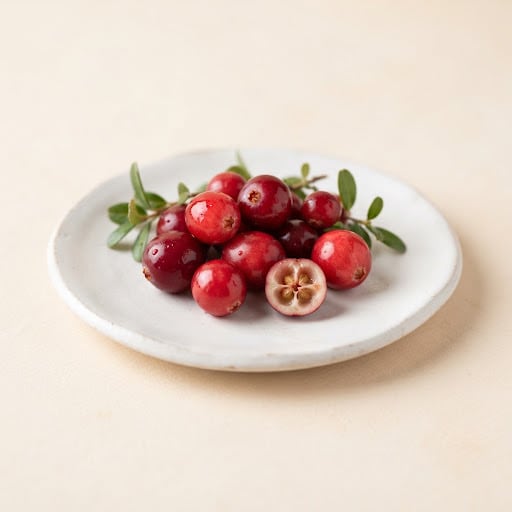
Babies can have cranberries from about 6 months when they are cooked soft and mashed or stirred into other foods. Whole fresh or dried cranberries are a choking hazard for babies, so flatten or chop them. Cranberries are very tart, so mix them with sweeter foods instead of adding sugar.
How to serve cranberries by age
Shapes and textures change as your baby’s grasp and chewing grow.

6 months
Simmer fresh or frozen cranberries in a little water until they burst and soften, then blend or mash smooth and stir them into iron-fortified oatmeal, plain yogurt or applesauce. Do not offer whole berries.

7–8 months
Mash cooked cranberries more roughly and swirl them into thicker oatmeal or yogurt, or spread a little cooked cranberry mash on a soft toast strip. Keep skipping whole fresh or dried cranberries.

9–12 months
Offer cooked cranberries flattened between your fingers, or finely chopped and mixed into soft foods for pincer practice. Raw cranberries are hard and sour, so cook them first.

12 months +
Toddlers can have halved or quartered cooked cranberries, homemade low-sugar cranberry sauce or finely chopped dried cranberries baked into muffins. Keep whole dried cranberries for older children who chew well.
Why it’s good
Cranberries offer vitamin C, fiber and plant compounds called polyphenols. The vitamin C helps babies absorb iron from plant foods like beans and fortified cereal. Cranberries are not a meaningful source of iron on their own.
Safety notes
- Whole cranberries are round, firm and the right size to block a small airway. Cook and mash, flatten or quarter them for babies and toddlers.
- Dried cranberries are chewy and sticky, and usually have added sugar. Wait until 12 months, chop them finely or soak and mash them.
- Store-bought cranberry sauce and dried cranberries are often very sweet. Limit added sugar before age 2 and make a low-sugar sauce at home when possible.
- No cranberry juice before 12 months, and keep juice small and occasional for toddlers.
- Raw cranberries are very hard and sour. Cook them until soft before serving to babies.
A low-allergy food, still worth watching
Cranberries are not a common allergen, and reactions are rare. Watch for a rash around the mouth, which is often just irritation from the acidity, but call your pediatrician if you see hives, swelling or vomiting.
Cranberries for babies: questions parents ask
Quick answers about cranberries for babies and toddlers.
When can babies have cranberries?
Babies can have cranberries from about 6 months if they are cooked until soft and mashed into other foods. Whole cranberries, fresh or dried, are a choking hazard and should not be served whole to babies.
Can babies have cranberries?
Yes, babies can eat cranberries when they are cooked and mashed into other foods. Cranberries are very tart, so mixing them with yogurt, oatmeal or applesauce makes them easier to enjoy without sugar.
Are cranberries a choking hazard for babies?
Yes, cranberries are a choking hazard for babies when served whole, because they are small, round and firm. Cooking, mashing or quartering cranberries lowers the risk.
Are cranberries a common allergen?
No, cranberries are not a common allergen and are not among the Top 9 food allergens. A red rash around the mouth is usually from acid, but stop and call your doctor if you see signs of a true reaction.
How do I serve cranberries to a 6 month old?
To serve cranberries to a 6 month old, simmer them in a little water until they pop, mash well and stir into plain yogurt, oatmeal or applesauce. Do not offer whole or dried cranberries at this age.
Can babies have dried cranberries?
Dried cranberries are best saved until after 12 months because they are chewy, sticky and usually sweetened. Chop dried cranberries finely or bake them into soft muffins for toddlers.
When can babies have cranberry sauce?
Babies can have homemade cranberry sauce with no added sugar, sweetened only with mashed apple, pear or banana, from about 6 months. Canned cranberry sauce is usually high in added sugar, so save it for a taste on holidays after the first birthday.
When can babies have cranberry juice?
Babies should not have cranberry juice before 12 months. After that, juice is not needed, so offer whole cranberries in food and keep any juice to a small, diluted amount with a meal.
Does cranberry help with UTIs in babies?
Cranberry is not a treatment for urinary tract infections in babies or toddlers. A baby with fever, fussiness or pain when peeing needs to see a doctor, as UTIs in young children need proper testing and treatment.
Is cranberry juice good for toddlers?
Cranberry juice is not needed for toddlers, and most cranberry juice cocktails are high in added sugar. If you offer juice after 12 months, choose 100% juice with no added sugar, keep all juice to 4 ounces a day or less, and serve it in a cup with a meal.
The takeaway
- Babies can have cranberries from about 6 months when they are cooked soft and mashed or stirred into other foods.
- Simmer fresh or frozen cranberries in a little water until they burst and soften, then blend or mash smooth and stir them into iron-fortified oatmeal, plain yogurt or applesauce.
- Choking risk is medium. Not a Top 9 allergen, but offer a small amount first and watch for any reaction.
Read next



Sources
This guide follows current advice from these organizations.
- Starting Solid Foods American Academy of Pediatrics (HealthyChildren.org)
- When, What, and How to Introduce Solid Foods Centers for Disease Control and Prevention
- Choking Hazards Centers for Disease Control and Prevention
- Choking Prevention American Academy of Pediatrics (HealthyChildren.org)
- Foods and Drinks to Avoid or Limit Centers for Disease Control and Prevention
- Dietary Guidelines for Americans, 2020-2025 U.S. Department of Agriculture and HHS
Track every new food in your baby’s passport
Track the first 100 foods and the Top 9 allergens. 7 days free.
More fruit for babies
Updated November 2026. Reviewed by our dietitians. Based on AAP, CDC and NIAID guidance. Written for healthy, full-term babies; not a substitute for your pediatrician. If your baby was born early, has a medical condition, feeding difficulties or a known allergy, check with them first (medical disclaimer). Always stay with your baby while they eat.