
Herbs & spices Food Library
When can babies have chives?
Can babies have chives?
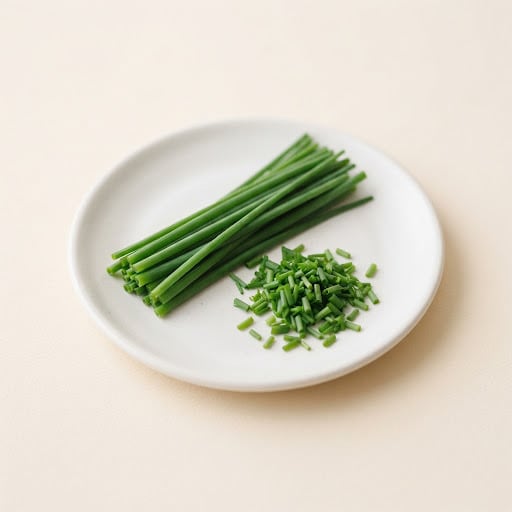
Babies can have chives from about 6 months, finely chopped and mixed into food. Chives add a mild onion flavor to eggs, potatoes and yogurt without any salt. Long whole stems can be stringy, so always snip chives into tiny pieces for babies.
How to serve chives by age
Shapes and textures change as your baby’s grasp and chewing grow.

6 months
Snip fresh chives very finely with clean kitchen scissors, or blend them in, and stir a little into smooth foods like mashed potato, avocado or plain yogurt. Skip long stems, which can be stringy and hard to manage.

7–8 months
Stir finely snipped chives into lumpier foods like fork-mashed potato, soft scrambled egg, mashed beans or cottage cheese. Keep the pieces tiny so they blend into the food.

9–12 months
Keep chopping chives finely and mix them into omelet strips, soft fish cakes, cottage cheese or mashed beans. Your baby may start picking out the green flecks with a pincer grasp, which is good practice.

12 months +
Toddlers can have snipped chives sprinkled on baked potatoes, eggs, soups and dips. Invite them to help snip chives with child-safe scissors, which builds interest in new flavors.
Why it’s good
Chives give small amounts of vitamin K, vitamin C, vitamin A and folate, plus plant compounds similar to those in onions and garlic. Because babies eat only a sprinkle, the main benefit is flavor: chives make vegetables and eggs tastier without adding salt.
Safety notes
- Chop chives finely. Long, whole stems can be stringy and may wrap around the tongue or cause gagging.
- Chive flowers are edible but form a dense ball. Pull the petals apart into small bits before adding them to food.
- Wash chives well under running water to remove soil and grit, especially homegrown chives.
- Buy chives from a reliable source or grow your own. Some wild plants that look similar, such as wild onion relatives and certain lilies, can be harmful.
A low-allergy food, still worth watching
Chives are not a common food allergen. Allergy to the onion family is rare but possible, so watch for hives, swelling or vomiting the first few times, especially if your baby reacts to onion or garlic.
Chives for babies: questions parents ask
Quick answers about chives for babies and toddlers.
When can babies have chives?
Babies can have chives from about 6 months, as soon as they start solids. Finely snipped chives stirred into soft foods like eggs, potatoes or yogurt are an easy first herb.
Can babies have chives?
Yes, babies can eat chives when they are chopped into small pieces and mixed into other foods. Chives add mild onion flavor and a little vitamin K and vitamin C without any salt.
Are chives a choking hazard for babies?
Chives are a low choking risk when they are finely chopped. Long whole stems can be stringy and cause gagging, and whole chive flowers form a dense clump, so snip stems small and pull flowers apart.
Are chives a common allergen?
No, chives are not a common allergen and are not among the Top 9 food allergens. Reactions to plants in the onion family are rare, but watch for signs like hives, swelling or vomiting after first tastes.
How do I serve chives to a 6 month old?
To serve chives to a 6 month old, snip fresh chives very finely and mix a little into a smooth food like mashed potato, avocado or plain yogurt, then offer it on a spoon. The flecks should be small enough that they blend into the food.
Can babies have chive flowers?
Yes, babies can eat chive flowers once the petals are pulled apart into small pieces. Whole chive blossoms are dense and fibrous, so do not serve them intact.
Are dried chives okay for babies?
Dried chives are fine for babies and are already in small pieces. Dried chives have a milder taste than fresh, so you may want to use a bit more, and they soften well when stirred into warm food.
Are chives the same as green onions?
Chives and green onions are related but different plants. Chives have thin, hollow, delicate stems and a milder taste, while green onions are thicker and have a white bulb end.
Can chives give my baby gas?
Chives are used in such small amounts that they rarely cause gas in babies. Larger servings of onion-family foods can cause some gassiness, but a sprinkle of chives is usually well tolerated.
The takeaway
- Babies can have chives from about 6 months, finely chopped and mixed into food.
- Snip fresh chives very finely with clean kitchen scissors, or blend them in, and stir a little into smooth foods like mashed potato, avocado or plain yogurt.
- Choking risk is low. Not a Top 9 allergen, but offer a small amount first and watch for any reaction.
Read next


Sources
This guide follows current advice from these organizations.
- Starting Solid Foods American Academy of Pediatrics (HealthyChildren.org)
- When, What, and How to Introduce Solid Foods Centers for Disease Control and Prevention
- Choking Hazards Centers for Disease Control and Prevention
Track every new food in your baby’s passport
Track the first 100 foods and the Top 9 allergens. 7 days free.
More herbs and spices for babies
Updated November 2026. Reviewed by our dietitians. Based on AAP, CDC and NIAID guidance. Written for healthy, full-term babies; not a substitute for your pediatrician. If your baby was born early, has a medical condition, feeding difficulties or a known allergy, check with them first (medical disclaimer). Always stay with your baby while they eat.