
Herbs & spices Food Library
When can babies have chipotle peppers?
Can babies have chipotle peppers?
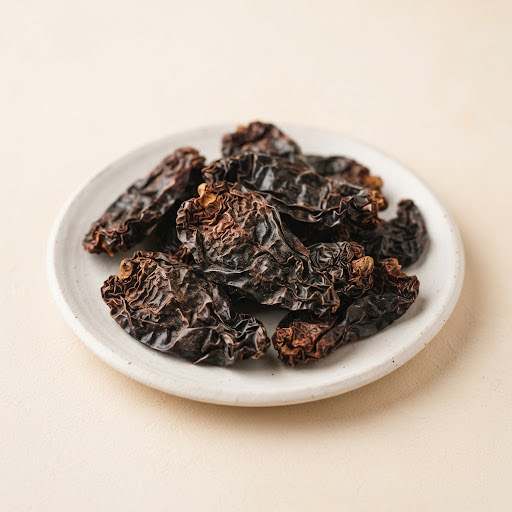
Babies can have chipotle pepper from about 6 months, as a tiny pinch of ground chipotle or a small amount of finely minced pepper cooked into food. Chipotle is a smoked, dried jalapeño, so it is spicy and should be used lightly. Canned chipotles in adobo sauce are salty, so keep those to a trace or wait until toddlerhood.
How to serve chipotle peppers by age
Shapes and textures change as your baby’s grasp and chewing grow.

6 months
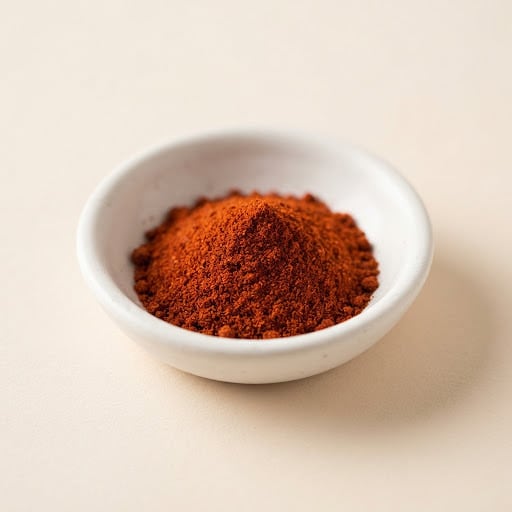
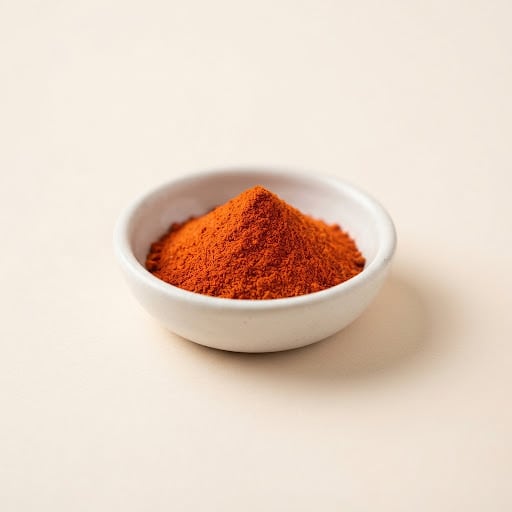
Stir a very small pinch of ground chipotle powder into a large batch of smooth puree, such as blended black beans, sweet potato or chicken, and offer it on a spoon. Taste the food yourself first: if it burns your mouth, it is too hot for your baby.

7–8 months
Add a tiny pinch of ground chipotle to thicker, lumpier foods like fork-mashed beans, mashed sweet potato or finely minced chicken mixed into a sauce. Avoid whole or chunky pieces of pepper, and keep the heat mild.

9–12 months
Keep adding chipotle as a seasoning in cooked dishes like black bean mash, lentils, soft scrambled egg or braised meat. If you use a dried or canned chipotle, remove the seeds and skin and mince it very finely before cooking it into the food.

12 months +
Toddlers can share mildly spiced family dishes such as chili, tacos or roasted vegetables seasoned with chipotle. A thin smear of adobo sauce is fine now and then, but serve it with plenty of mild foods and keep salty adobo as an occasional extra.
Why it’s good
Chipotle pepper is used in such small amounts that it adds flavor more than nutrition, though peppers do bring a little vitamin A, vitamin C and antioxidants. The real benefit is taste: smoky, gently spicy flavors help babies get used to the foods their family eats. Pairing chipotle with beans or meat makes savory, iron-rich meals more appealing.
Safety notes
- Start with a tiny pinch and build up slowly. Capsaicin, the compound that makes peppers hot, can irritate a baby's mouth, skin and eyes.
- Wash your hands and your baby's hands after handling chipotle, and keep spicy fingers away from eyes. Wipe your baby's face with plain water if they rub spicy food around.
- Canned chipotle in adobo sauce is high in sodium. Use only a trace for babies under 12 months, or season with plain ground chipotle instead.
- Remove tough skins and seeds from whole dried or canned chipotles and mince very finely so no chewy pieces are left.
- Spicy foods can cause coughing, watery eyes or redness around the mouth. These are usually from heat, not allergy, but stop and call your pediatrician if you see hives, swelling or trouble breathing.
A low-allergy food, still worth watching
Chipotle pepper is not a common food allergen, though reactions to peppers have been reported. Redness around the mouth is usually skin irritation from the heat, but swelling, hives spreading beyond the face, vomiting or wheezing need medical attention.
Chipotle peppers for babies: questions parents ask
Quick answers about chipotle peppers for babies and toddlers.
When can babies have chipotle peppers?
Babies can have chipotle peppers from about 6 months, as soon as they start solids, if the amount is very small and cooked into food. A pinch of ground chipotle in a big batch of beans or vegetables is a gentle way to start.
Can babies have spicy food like chipotle?
Yes, babies can eat mildly spicy food like chipotle in small amounts. Many cultures introduce spices early, and there is no medical reason to wait, but keep the heat gentle and stop if your baby seems uncomfortable.
Is chipotle pepper a choking hazard for babies?
Chipotle pepper is a low choking risk when it is used as a powder or minced very finely and cooked into food. Whole dried chipotles and pieces of tough skin can be chewy and hard to break down, so avoid serving them in chunks.
Is chipotle pepper a common allergen?
No, chipotle pepper is not a common allergen and is not one of the Top 9 food allergens. Redness on the skin is often contact irritation from capsaicin rather than an allergic reaction, but watch for hives, swelling or vomiting.
How do I serve chipotle pepper to a 6 month old?
To serve chipotle pepper to a 6 month old, mix a tiny pinch of ground chipotle into a smooth food like blended black beans, sweet potato puree or pureed chicken, and offer it on a spoon. Taste the food first to make sure it is only mildly warm, not hot.
Can babies have chipotle peppers in adobo sauce?
Chipotle peppers in adobo sauce are fine for babies only as a trace amount, because the sauce is high in sodium. Plain ground chipotle powder gives the same smoky flavor with no added salt, so it is the better choice before 12 months.
Is chipotle the same as jalapeño?
Chipotle is a jalapeño pepper that has been ripened, smoked and dried. Chipotle has a deeper, smoky flavor and is often a little hotter than a fresh green jalapeño, so start with less.
Can chipotle pepper upset my baby's stomach or diaper area?
Chipotle pepper can occasionally cause looser stools or a red diaper area in babies who eat a lot of spicy food. Using small amounts and pairing chipotle with mild foods usually avoids this, and the irritation passes once the food is through.
What should I do if chipotle is too spicy for my baby?
If chipotle is too spicy for your baby, offer breast milk, formula or plain yogurt to soothe the mouth, and wipe the skin with water. Next time, use less chipotle or mix the dish with more of a plain food.
The takeaway
- Babies can have chipotle pepper from about 6 months, as a tiny pinch of ground chipotle or a small amount of finely minced pepper cooked into food.
- Stir a very small pinch of ground chipotle powder into a large batch of smooth puree, such as blended black beans, sweet potato or chicken, and offer it on a spoon.
- Choking risk is low. Not a Top 9 allergen, but offer a small amount first and watch for any reaction.
Read next


Sources
This guide follows current advice from these organizations.
- Starting Solid Foods American Academy of Pediatrics (HealthyChildren.org)
- When, What, and How to Introduce Solid Foods Centers for Disease Control and Prevention
- Choking Hazards Centers for Disease Control and Prevention
- Foods and Drinks to Avoid or Limit Centers for Disease Control and Prevention
Track every new food in your baby’s passport
Track the first 100 foods and the Top 9 allergens. 7 days free.
More herbs and spices for babies
Updated November 2026. Reviewed by our dietitians. Based on AAP, CDC and NIAID guidance. Written for healthy, full-term babies; not a substitute for your pediatrician. If your baby was born early, has a medical condition, feeding difficulties or a known allergy, check with them first (medical disclaimer). Always stay with your baby while they eat.