
Drinks & extras Food Library
When can babies have cacao and chocolate?
Can babies have cacao and chocolate?
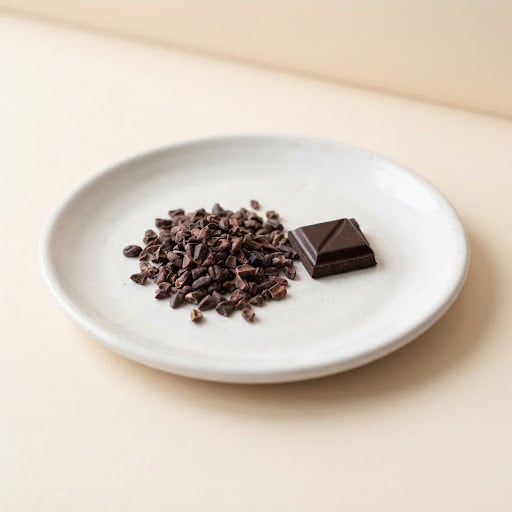
Babies are best kept away from cacao and chocolate until 12 months, and even then only as a small pinch of unsweetened cacao powder mixed into food. Cacao contains caffeine and a related stimulant called theobromine, and most chocolate is loaded with added sugar, so save sweet chocolate treats until after 2 years. Cacao itself is not a common allergen, but many chocolate products contain milk, nuts, soy or wheat.
How to serve cacao and chocolate by age
Shapes and textures change as your baby’s grasp and chewing grow.

6 months
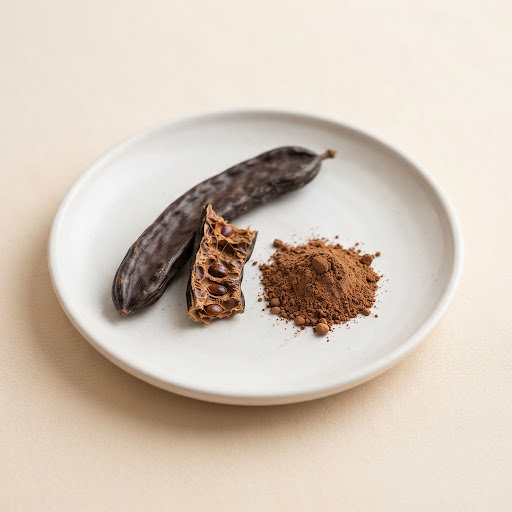
Skip cacao and chocolate at 6 months. Babies this young are sensitive to caffeine and theobromine, and every spoonful should count for iron, fat and protein. For a chocolate-like color and flavor, stir a little unsweetened carob powder into smooth yogurt or oatmeal instead.

7–8 months
Keep skipping cacao and chocolate at 7–8 months. If you want a chocolate-like flavor, a little unsweetened carob powder in thick oatmeal, yogurt or mashed banana is a caffeine-free option.

9–12 months
Keep waiting on cacao and chocolate. Focus on mild, whole foods, and if older siblings are eating chocolate, offer your baby a soft banana spear or a fruit like ripe pear so they still feel part of the moment.

12 months +
From 12 months, stir a small pinch, about 1/4 teaspoon, of unsweetened cacao or cocoa powder into plain yogurt, oatmeal, a banana smoothie or homemade muffins, and offer it earlier in the day. Keep sweetened chocolate, chocolate milk and candy bars for occasional treats after 2 years, and serve chocolate as thin shavings or melted and drizzled rather than chunks, chips or cacao nibs.
Why it’s good
Unsweetened cacao powder contains fiber, magnesium, copper, iron and plant compounds called flavanols, but the amounts a toddler eats are tiny, so cacao is a flavoring rather than a meaningful source of nutrients. Most of the downsides come from chocolate products, which add sugar, fat and sometimes caffeine-rich dark cacao. Iron-rich foods like beans, meat and fortified cereal are far better ways to meet a young child's needs.
Safety notes
- Cacao naturally contains caffeine and theobromine, which can make young children jittery, wakeful or fussy. Dark chocolate and cacao nibs contain the most, milk chocolate less, and white chocolate almost none. Offer cacao earlier in the day and in very small amounts.
- Chocolate bars, chips, chocolate milk and spreads are high in added sugar. Health guidance is to avoid added sugar before age 2, so treat these as occasional foods for older toddlers only.
- Hard chocolate chunks, chocolate chips, cacao nibs and chocolate-covered nuts or raisins are choking hazards for babies and toddlers. Melt, shave finely or bake chocolate into soft foods instead.
- Testing has found lead and cadmium in some dark chocolate and cacao powders. Keep portions small and occasional, and vary brands rather than relying on one product every day.
- Read labels carefully. Many chocolates contain milk, tree nuts, peanuts, soy lecithin or wheat, and may be made on shared lines with these allergens.
A low-allergy food, still worth watching
Cacao on its own is not a common allergen, and true cacao allergy is rare. Most reactions to chocolate come from other ingredients such as milk, nuts, peanuts, soy or wheat, so check every label and watch for hives, vomiting or swelling with any new product.
Cacao and chocolate for babies: questions parents ask
Quick answers about cacao and chocolate for babies and toddlers.
When can babies have cacao and chocolate?
Babies can have a small pinch of unsweetened cacao powder mixed into food from about 12 months, while sweetened chocolate is best saved for after 2 years. Cacao contains caffeine and theobromine, and chocolate products are high in added sugar, so there is no benefit in starting earlier.
Can babies have chocolate?
Babies under 12 months should not eat chocolate. After the first birthday, a tiny amount of unsweetened cacao in food is fine, but chocolate candy, chips and chocolate milk contain added sugar and caffeine and are best kept as occasional treats after age 2.
Is chocolate a choking hazard for babies?
Chocolate can be a choking hazard for babies and toddlers when served as hard chunks, chips, cacao nibs or chocolate-covered nuts and candies. Melting, finely shaving or baking chocolate into soft foods lowers the risk, and a child should always be seated and supervised while eating.
Is cacao a common allergen?
Cacao is not a common allergen, and reactions to cacao itself are rare. Chocolate products often contain milk, peanuts, tree nuts, soy or wheat, which are among the Top 9 allergens, so read labels before offering any chocolate food.
How do I serve cacao to a 6 month old?
Cacao is not recommended for a 6 month old because of its caffeine and theobromine content. To give a 6 month old a chocolate-like flavor, stir a little unsweetened carob powder into plain yogurt or oatmeal instead, and wait until 12 months to try a pinch of cacao.
How much caffeine is in chocolate?
Chocolate has much less caffeine than coffee, but the amount rises with how dark the chocolate is. Dark chocolate and cacao nibs contain the most caffeine and theobromine, milk chocolate contains less, and white chocolate contains almost none, which matters because small bodies are more sensitive to stimulants.
What is the difference between cacao and cocoa?
Cacao and cocoa both come from cacao beans. Cacao usually refers to less processed powder or nibs, while cocoa powder is roasted at higher heat, and Dutch-processed cocoa is also treated to make it less bitter. Either unsweetened form works for toddlers in small amounts, while hot cocoa mixes contain added sugar.
Can babies have cacao fruit pulp or juice?
Cacao fruit pulp is the sweet white flesh around the beans and contains little of the caffeine found in the beans themselves. Cacao fruit juice should still wait until after 12 months, since health guidance is no juice for babies, and any juice for toddlers should be small and unsweetened.
Is dark chocolate safe for toddlers?
Dark chocolate is best kept to small, occasional amounts for toddlers because it contains the most caffeine and theobromine and may contain traces of lead and cadmium. A thin shaving on fruit or a little melted into oatmeal is plenty for a young child.
Can chocolate keep my toddler awake?
Chocolate can keep some toddlers awake because cacao contains caffeine and theobromine, both mild stimulants. Offering chocolate or cacao foods in the morning or early afternoon, and keeping the amount small, helps protect naps and bedtime.
The takeaway
- Babies are best kept away from cacao and chocolate until 12 months, and even then only as a small pinch of unsweetened cacao powder mixed into food.
- From 12 months, stir a small pinch, about 1/4 teaspoon, of unsweetened cacao or cocoa powder into plain yogurt, oatmeal, a banana smoothie or homemade muffins, and offer it earlier in the day.
- Choking risk is medium. Not a Top 9 allergen, but offer a small amount first and watch for any reaction.
Read next



Sources
This guide follows current advice from these organizations.
- Starting Solid Foods American Academy of Pediatrics (HealthyChildren.org)
- When, What, and How to Introduce Solid Foods Centers for Disease Control and Prevention
- Choking Hazards Centers for Disease Control and Prevention
- Choking Prevention American Academy of Pediatrics (HealthyChildren.org)
- Recommended Drinks for Young Children Ages 0-5 American Academy of Pediatrics (HealthyChildren.org)
- Foods and Drinks to Avoid or Limit Centers for Disease Control and Prevention
- Dietary Guidelines for Americans, 2020-2025 U.S. Department of Agriculture and HHS
Track every new food in your baby’s passport
Track the first 100 foods and the Top 9 allergens. 7 days free.
More drinks and extras for babies

Updated November 2026. Reviewed by our dietitians. Based on AAP, CDC and NIAID guidance. Written for healthy, full-term babies; not a substitute for your pediatrician. If your baby was born early, has a medical condition, feeding difficulties or a known allergy, check with them first (medical disclaimer). Always stay with your baby while they eat.