
Drinks & extras Food Library
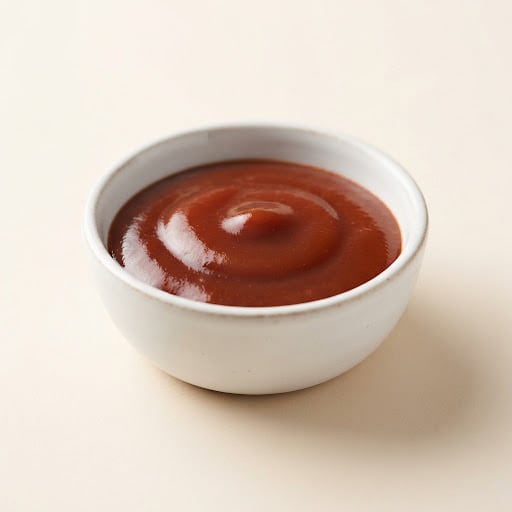
When can babies have barbecue sauce?
Can babies have barbecue sauce?
Barbecue sauce is best saved until 12 months or older, and then only as a thin coating now and then. Most store-bought barbecue sauce is high in added sugar and sodium, and honey barbecue sauce must be avoided before 12 months because of the risk of infant botulism. Before then, flavor meats with a homemade no-sugar, no-salt sauce or simple spices.
How to serve barbecue sauce by age
Shapes and textures change as your baby’s grasp and chewing grow.

6 months
Skip store-bought barbecue sauce at this age. If you want a hint of smoky flavor, stir a tiny pinch of smoked paprika or garlic powder into smooth meat or vegetable puree, or blend cooked chicken with a little unsalted tomato puree, and offer it on a spoon.

7–8 months
Barbecue sauce is still best skipped. For a barbecue-style meal, season finely minced or shredded soft meat with smoked paprika and garlic powder, or toss it in a homemade sauce of unsalted tomato puree with a little mashed date or applesauce, and stir it into mashed potato or beans.

9–12 months
Barbecue sauce is still best avoided, especially honey barbecue sauce. If baby shares barbecued food, take a piece from before the sauce went on, or scrape and rinse off the sauce and serve soft, shredded meat.

12 months +
Store-bought barbecue sauce is best saved until after age 2, since the AAP and Dietary Guidelines advise no added sugar before 2. For toddlers, use a homemade sauce of unsalted tomato puree, a little mashed date or unsweetened applesauce, vinegar and smoked paprika.
Why it’s good
Barbecue sauce adds flavor but very little nutrition. Most bottled barbecue sauces are mostly sugar, salt and vinegar, with a small amount of tomato. Babies and toddlers get no benefit from it beyond making meat more appealing.
Safety notes
- No honey barbecue sauce before 12 months. Honey can cause infant botulism, and cooking does not reliably make it safe.
- Most barbecue sauces are high in added sugar and sodium. Use a thin coating, not a pool, and choose lower-sugar, lower-sodium brands.
- Spicy, chipotle or extra-hot sauces can upset little tummies. Start mild.
- Barbecued meat is the bigger choking risk: avoid charred, chewy or tough pieces, and serve meat shredded or in soft strips.
- Check the label for alcohol (some bourbon or beer sauces) and for allergens like soy, wheat, mustard and anchovy in Worcestershire sauce.
A low-allergy food, still worth watching
Barbecue sauce is not itself a common allergen, but ingredients vary. Many contain soy, wheat or Worcestershire sauce made with anchovies (fish), and some contain mustard, so read the label each time.
Barbecue sauce for babies: questions parents ask
Quick answers about barbecue sauce for babies and toddlers.
When can babies have barbecue sauce?
Babies can have a small amount of barbecue sauce after 12 months. Barbecue sauce is high in added sugar and salt and may contain honey, so it is best avoided in the first year and kept occasional after.
Can babies have barbecue sauce?
Babies under 12 months should not eat store-bought barbecue sauce, mainly because of added sugar, sodium and the chance of honey. Toddlers can have a thin coating on meat now and then.
Is barbecue sauce a choking hazard for babies?
No, barbecue sauce is not a choking hazard on its own because it is a smooth liquid. The barbecued meat it coats can be a choking risk, so serve meat shredded, tender and free of charred or tough pieces.
Is barbecue sauce a common allergen?
Barbecue sauce is not a common allergen in itself, but many brands contain allergens. Look for soy, wheat, fish (anchovy in Worcestershire sauce), sesame and mustard on the label.
How do I serve barbecue sauce to a 6 month old?
Barbecue sauce is not recommended for a 6 month old. Season your baby's smooth meat purees with a tiny pinch of mild spices like smoked paprika, cumin or garlic powder instead, or blend in a little unsalted tomato puree.
Can babies have honey barbecue sauce?
No, babies under 12 months should not have honey barbecue sauce. Honey can carry botulism spores that survive cooking, so wait until after the first birthday.
How do I make baby-friendly barbecue sauce?
A baby-friendly barbecue sauce can be made by simmering unsalted tomato puree with a little mashed date or unsweetened applesauce, a splash of vinegar, smoked paprika, onion powder and garlic powder. Skip the salt, sugar and honey for babies under 12 months.
Can my baby eat barbecued meat?
Babies can eat barbecued meat if it is cooked through, tender and served in safe shapes. Remove skin, charred edges and gristle, and shred the meat or cut it into soft strips.
How much barbecue sauce can a toddler have?
A toddler can have about a teaspoon or so of barbecue sauce as a thin coating or dip at an occasional meal. Barbecue sauce adds sugar and salt quickly, so keep portions small and rinse off heavy coatings.
The takeaway
- Barbecue sauce is best saved until 12 months or older, and then only as a thin coating now and then.
- Store-bought barbecue sauce is best saved until after age 2, since the AAP and Dietary Guidelines advise no added sugar before 2.
- Choking risk is low. Not a Top 9 allergen, but offer a small amount first and watch for any reaction.
Read next


Sources
This guide follows current advice from these organizations.
- Starting Solid Foods American Academy of Pediatrics (HealthyChildren.org)
- When, What, and How to Introduce Solid Foods Centers for Disease Control and Prevention
- Choking Hazards Centers for Disease Control and Prevention
- Recommended Drinks for Young Children Ages 0-5 American Academy of Pediatrics (HealthyChildren.org)
- Foods and Drinks to Avoid or Limit Centers for Disease Control and Prevention
- Dietary Guidelines for Americans, 2020-2025 U.S. Department of Agriculture and HHS
- Botulism Prevention Centers for Disease Control and Prevention
Track every new food in your baby’s passport
Track the first 100 foods and the Top 9 allergens. 7 days free.
More drinks and extras for babies
Updated November 2026. Reviewed by our dietitians. Based on AAP, CDC and NIAID guidance. Written for healthy, full-term babies; not a substitute for your pediatrician. If your baby was born early, has a medical condition, feeding difficulties or a known allergy, check with them first (medical disclaimer). Always stay with your baby while they eat.