
Drinks & extras Food Library
When can babies have canola oil?
Can babies have canola oil?
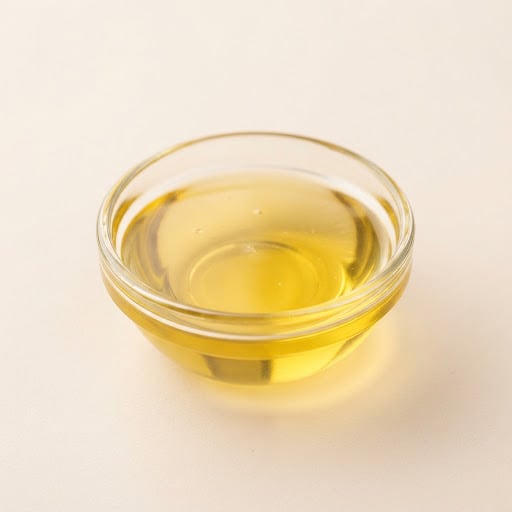
Babies can have canola oil from 6 months as a cooking oil or a drizzle mixed into food. Canola oil is a mild, neutral oil that adds healthy fats and calories babies need for growth. Canola oil is not a common allergen and is not a choking hazard.
How to serve canola oil by age
Shapes and textures change as your baby’s grasp and chewing grow.

6 months
Stir about 1/2 teaspoon of canola oil into smooth vegetable purees, mashed beans or iron-fortified cereal to add energy and help the food slide off the spoon. You can also use a little to cook vegetables or fish before blending them.

7–8 months
Use a small amount of canola oil to roast soft vegetable wedges, cook scrambled egg or bake soft fish that flakes easily, and stir a little into thicker, lumpier mashes. Let oiled foods cool before serving.

9–12 months
Keep cooking with canola oil for roasted vegetable wedges, soft omelet strips, pancakes and baked muffins. A little oil helps finger foods turn soft and golden instead of dry, which makes them easier to chew.

12 months +
Toddlers can eat foods cooked in canola oil at family meals, including stir-fries, baked goods and homemade dressings. Limit deep-fried foods, which soak up a lot of oil and are often salty.
Why it’s good
Canola oil is mostly unsaturated fat and is one of the few common cooking oils with a good amount of plant omega-3 (alpha-linolenic acid), along with omega-6 fats and vitamin E. Babies need plenty of fat for brain development and energy, and a little oil helps them absorb fat-soluble vitamins A, D, E and K from vegetables. Canola oil has very little saturated fat compared with butter or coconut oil.
Safety notes
- Do not give oil by the spoonful or in a bottle. Mix it into food so your baby does not inhale or gag on liquid oil.
- Use oil in modest amounts. A teaspoon or so mixed into a meal is plenty, and too much fat at once can upset a small tummy or crowd out other foods.
- Heat oil carefully and let food cool before serving. Splattered or very hot oil can burn, and oil-coated foods hold heat longer.
- Throw out canola oil that smells stale, bitter or like paint. Store it tightly closed away from heat and light.
- Avoid reusing oil from deep frying many times, since it breaks down with repeated heating.
A low-allergy food, still worth watching
Canola oil is not a common allergen, and highly refined canola oil contains almost no protein, which is the part of a food that triggers allergies. Rare reactions to rapeseed and mustard family plants are reported, so stop and call your pediatrician if you notice hives, vomiting or swelling.
Canola oil for babies: questions parents ask
Quick answers about canola oil for babies and toddlers.
When can babies have canola oil?
Babies can have canola oil from 6 months, when they start solids. Canola oil can be used to cook baby food or mixed into purees and mashes in small amounts.
Can babies have canola oil?
Yes, babies can eat canola oil, and many infant formulas already contain it. Canola oil adds healthy unsaturated fats, including omega-3s, that support growth and brain development.
Is canola oil a choking hazard for babies?
Canola oil is not a choking hazard for babies when it is mixed into food or used for cooking. Avoid giving oil straight from a spoon or bottle, since a baby could inhale the liquid.
Is canola oil a common allergen?
Canola oil is not a common allergen and is not one of the Top 9 food allergens. Refined canola oil has almost no allergy-causing protein, though very rare reactions to the canola or rapeseed plant have been reported.
How do I serve canola oil to a 6 month old?
To serve canola oil to a 6 month old, stir about half a teaspoon into smooth or mashed foods like sweet potato, beans or oatmeal, or use a little to cook vegetables before blending them. Canola oil should always be part of a food, never a drink.
Is canola oil safe for babies?
Canola oil is safe for babies and is recognized as safe by the FDA. Modern canola is bred to be very low in erucic acid, the compound that raised concerns about old-style rapeseed oil.
Is canola oil the same as rapeseed oil?
Canola oil comes from a type of rapeseed plant bred in Canada to be low in erucic acid and bitter compounds. Food-grade rapeseed oil sold in the UK and Europe is also low-erucic and is very similar to canola oil.
Can canola oil be used for high-heat cooking?
Refined canola oil has a high smoke point, so canola oil works well for roasting, sauteing and baking. Cold-pressed canola oil has a lower smoke point and is better for lower heat cooking or dressings.
Is canola oil or olive oil better for babies?
Canola oil and olive oil are both healthy choices for babies. Canola oil has more omega-3 fat and a neutral taste, while extra virgin olive oil adds flavor and antioxidants, so using a mix of both is a good approach.
The takeaway
- Babies can have canola oil from 6 months as a cooking oil or a drizzle mixed into food.
- Stir about 1/2 teaspoon of canola oil into smooth vegetable purees, mashed beans or iron-fortified cereal to add energy and help the food slide off the spoon.
- Choking risk is low. Not a Top 9 allergen, but offer a small amount first and watch for any reaction.
Read next


Sources
This guide follows current advice from these organizations.
- Starting Solid Foods American Academy of Pediatrics (HealthyChildren.org)
- When, What, and How to Introduce Solid Foods Centers for Disease Control and Prevention
- Choking Hazards Centers for Disease Control and Prevention
- Recommended Drinks for Young Children Ages 0-5 American Academy of Pediatrics (HealthyChildren.org)
Track every new food in your baby’s passport
Track the first 100 foods and the Top 9 allergens. 7 days free.
More drinks and extras for babies
Updated November 2026. Reviewed by our dietitians. Based on AAP, CDC and NIAID guidance. Written for healthy, full-term babies; not a substitute for your pediatrician. If your baby was born early, has a medical condition, feeding difficulties or a known allergy, check with them first (medical disclaimer). Always stay with your baby while they eat.