
Drinks & extras Food Library
When can babies have beef stock?
Can babies have beef stock?
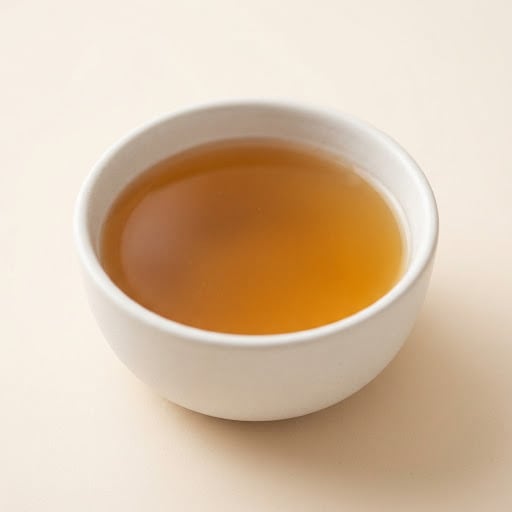
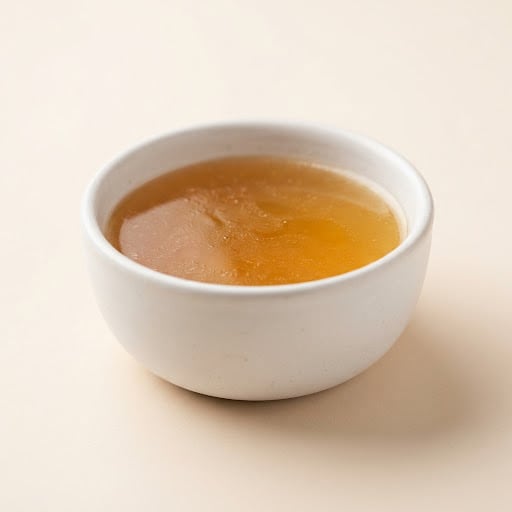
Babies can have beef stock from about 6 months as a cooking liquid or in small sips from an open cup. Homemade beef stock with no added salt is best, because most store-bought stock and bouillon cubes are very high in sodium. Beef stock should flavor food, not replace breast milk, formula or water.
How to serve beef stock by age
Shapes and textures change as your baby’s grasp and chewing grow.

6 months
Use unsalted homemade beef stock to cook vegetables, lentils or rice, then blend them into smooth purees, or use a spoonful of stock to thin a puree. You can also offer a few sips of lukewarm stock from an open cup you hold, keeping it small so it does not fill your baby up before meals.

7–8 months
Cook rice, lentils, small pasta or vegetables in unsalted beef stock and mash them with a fork for a thicker, lumpier texture. Soft stewed vegetables cooked in stock that squash easily between your fingers also work, along with a few sips from an open cup.

9–12 months
Add beef stock to soft stews, risotto and soups with small pieces of tender meat and vegetables. Thicken soup with mashed potato or oats so it clings to a preloaded spoon your baby can feed themselves.

12 months +
Toddlers can have beef stock in family soups, stews and sauces. Choose low-sodium or no-salt-added store-bought stock, dilute it with water, and add salt to adult portions only.
Why it’s good
Beef stock adds a savory flavor that can help babies accept vegetables, grains and legumes. Homemade beef stock simmered with bones contains small amounts of protein, collagen-derived gelatin and minerals, but it is not a major source of iron or protein on its own. The real nutrition comes from the meat, beans and vegetables you cook in it.
Safety notes
- Most store-bought beef stock, broth and bouillon cubes are very high in sodium. Choose no-salt-added versions or make your own without salt, and dilute store-bought stock with water.
- Read labels for common allergens. Some stocks and bouillon contain wheat, soy, celery or milk.
- Cool beef stock to lukewarm before serving and test the temperature on your wrist. Hot liquids can scald a baby's mouth.
- Strain homemade stock well to remove bone fragments, cartilage and small pieces of gristle before using it in baby food.
- Refrigerate homemade stock within 2 hours, use it within 3 to 4 days, or freeze it in small portions. Boil stored stock and then let it cool before serving.
A low-allergy food, still worth watching
Beef stock is not a common allergen, and beef allergy is uncommon. Check labels, since some store-bought stocks contain wheat, soy, milk or celery, and watch for hives, vomiting or swelling the first few times.
Beef stock for babies: questions parents ask
Quick answers about beef stock for babies and toddlers.
When can babies have beef stock?
Babies can have beef stock from about 6 months, once they start solid foods. Beef stock works best as a cooking liquid or a few sips from an open cup, and homemade stock without salt is the safest choice.
Can babies have beef stock?
Yes, babies can have beef stock as long as it is low in sodium and served lukewarm. Beef stock should be used to add flavor to meals, not as a replacement for breast milk, formula or water.
Is beef stock a choking hazard for babies?
Beef stock is a low choking risk because it is a liquid. Strain homemade beef stock to remove bone bits and gristle, and make sure any meat or vegetables in a soup are soft and cut to suit your baby's age.
Is beef stock a common allergen?
No, beef stock is not a common allergen. Some store-bought beef stocks contain wheat, soy, milk or celery, so check the label if your baby has a food allergy.
How do I serve beef stock to a 6 month old?
To serve beef stock to a 6 month old, use homemade unsalted stock to cook grains, lentils or vegetables, or to loosen a puree. Use homemade unsalted beef stock as a cooking liquid or to loosen purees. For drinks, offer breast milk or formula, plus small sips of water from an open cup with meals.
Can babies have store-bought beef stock?
Babies can have store-bought beef stock if it is labeled no-salt-added or very low sodium. Regular store-bought beef stock is too salty for babies, so dilute low-sodium versions with water and avoid bouillon cubes and powders.
What is the difference between beef stock and beef broth for babies?
Beef stock is usually made by simmering bones, while beef broth is made mostly from meat, but both are used the same way for babies. The key factor for babies is not the name but the sodium content, so check the label on either.
How do I make beef stock for my baby?
To make beef stock for a baby, simmer beef bones or a meaty cut with onion, carrot and celery in water for several hours, with no salt added. Strain the beef stock well, cool it quickly, skim off extra fat and refrigerate or freeze it in small portions.
Is bone broth good for babies?
Bone broth can be a nice flavor base for babies, but it is not a superfood and does not replace iron-rich meats, beans or fortified cereals. Bone broth from stores is often high in sodium, so homemade or no-salt-added versions are best.
The takeaway
- Babies can have beef stock from about 6 months as a cooking liquid or in small sips from an open cup.
- Use unsalted homemade beef stock to cook vegetables, lentils or rice, then blend them into smooth purees, or use a spoonful of stock to thin a puree.
- Choking risk is low. Not a Top 9 allergen, but offer a small amount first and watch for any reaction.
Read next


Sources
This guide follows current advice from these organizations.
- Starting Solid Foods American Academy of Pediatrics (HealthyChildren.org)
- When, What, and How to Introduce Solid Foods Centers for Disease Control and Prevention
- Choking Hazards Centers for Disease Control and Prevention
- Recommended Drinks for Young Children Ages 0-5 American Academy of Pediatrics (HealthyChildren.org)
- Foods and Drinks to Avoid or Limit Centers for Disease Control and Prevention
Track every new food in your baby’s passport
Track the first 100 foods and the Top 9 allergens. 7 days free.
More drinks and extras for babies

Updated November 2026. Reviewed by our dietitians. Based on AAP, CDC and NIAID guidance. Written for healthy, full-term babies; not a substitute for your pediatrician. If your baby was born early, has a medical condition, feeding difficulties or a known allergy, check with them first (medical disclaimer). Always stay with your baby while they eat.