
Drinks & extras Food Library
When can babies eat baby food pouches?
Can babies have baby food pouches?
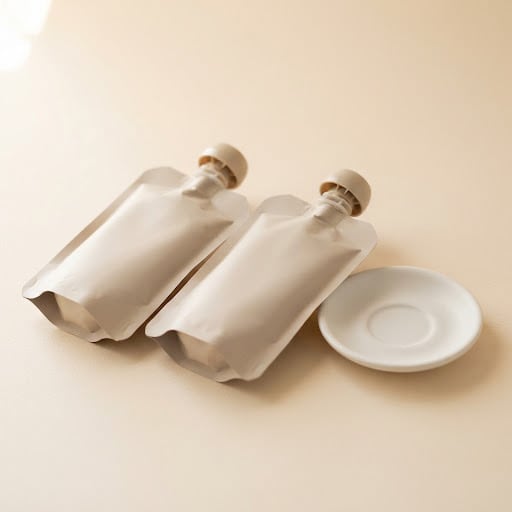
Babies can have baby food pouches from about 6 months, ideally squeezed onto a spoon rather than sucked straight from the spout. Pouches are handy for travel, but they should not replace a variety of textures, lumpier mashes from 7–8 months and finger foods later on. Keep the small caps away from babies, as they are a choking hazard.
How to serve baby food pouches by age
Shapes and textures change as your baby’s grasp and chewing grow.

6 months
Squeeze a little pouch puree onto a spoon or into a bowl and offer it on the spoon, or hand your baby a preloaded spoon. This keeps pace with your baby's hunger and helps them learn to eat from a spoon.

7–8 months
Keep squeezing pouches onto a spoon, and choose thicker veggie and grain blends or stir the puree into lumpier mashed foods so your baby gets texture practice. Pouch puree also works as a dip for soft finger foods like ripe banana or steamed carrot.

9–12 months
Use pouches as a quick dip or topping, such as on toast strips or mixed into oatmeal or yogurt, while most meals move to mashed and finger foods. Pouches with veggie and protein blends are better than all-fruit ones.

12 months +
Toddlers can use a pouch now and then on the go, ideally sitting down. Avoid letting a toddler walk around sucking on a pouch, and keep most meals at the table with real food.
Why it’s good
Pouches can deliver fruits, vegetables and sometimes grains, beans or yogurt in a convenient form. Most are fruit-heavy and naturally high in sugar, and few give much iron or protein. Pouches made mostly of vegetables, legumes or meat offer more.
Safety notes
- Pouch caps are a choking hazard. Throw them away right after opening and keep them out of reach.
- Sucking straight from the spout skips chewing practice and makes it easy to over-eat. Squeeze pouches onto a spoon for young babies.
- Check the label for vegetables or protein near the top of the ingredient list, and skip pouches with added sugar or juice.
- Heavy metal recalls have affected some pouches, so check recall notices and rotate brands and flavors.
- Once opened, pouches go in the fridge and should be used within a day or as the label says. Do not save a pouch your baby has sucked from.
A low-allergy food, still worth watching
Baby food pouches are not an allergen on their own, but many contain allergens like yogurt (dairy), wheat, oats, nut butters or seeds. Read the label and offer new allergens one at a time.
Baby food pouches for babies: questions parents ask
Quick answers about baby food pouches for babies and toddlers.
When can babies eat baby food pouches?
Babies can have baby food pouches from about 6 months, when they start solids. Squeeze pouches onto a spoon rather than letting a young baby suck from the spout.
Can babies have from baby food pouches?
Yes, babies can eat from baby food pouches, but pouches work best as an occasional convenience. Babies also need mashed, lumpy and finger foods to learn chewing.
Are baby food pouches a choking hazard for babies?
The puree in baby food pouches is a low choking risk, but pouch caps are a choking hazard. Throw the cap away right after opening and keep spare caps out of reach.
Are baby food pouches a common allergen?
Baby food pouches are not an allergen in themselves, but many contain common allergens like dairy, wheat or nut butter. Read the ingredient list before offering a new pouch.
How do I serve baby food pouches to a 6 month old?
To serve a baby food pouch to a 6 month old, squeeze a little puree onto a baby spoon and hand the spoon to your baby. Serving baby food pouches this way helps babies learn spoon feeding and stop when full.
Are baby food pouches bad for babies?
Baby food pouches are not bad for babies in moderation. Problems come when pouches replace textured foods, when babies suck on them all day, or when they are mostly fruit sugar.
Are baby food pouches bad for teeth?
Baby food pouches can raise the risk of tooth decay if babies suck on them often, because the sugary puree bathes the teeth. Offer pouches at mealtimes on a spoon and brush teeth twice a day.
Do baby food pouches have heavy metals?
Some baby food pouches have been found to contain lead or other heavy metals, including a 2023 recall of cinnamon applesauce pouches. Check recall notices, rotate brands and flavors, and offer plenty of home-cooked foods too.
How long can an opened baby food pouch last?
An opened baby food pouch should go in the fridge and be used within about 24 hours, or as the label says. Throw away any pouch your baby has sucked from directly.
The takeaway
- Babies can have baby food pouches from about 6 months, ideally squeezed onto a spoon rather than sucked straight from the spout.
- Squeeze a little pouch puree onto a spoon or into a bowl and offer it on the spoon, or hand your baby a preloaded spoon.
- Choking risk is low. Not a Top 9 allergen, but offer a small amount first and watch for any reaction.
Read next



Sources
This guide follows current advice from these organizations.
- Starting Solid Foods American Academy of Pediatrics (HealthyChildren.org)
- When, What, and How to Introduce Solid Foods Centers for Disease Control and Prevention
- Choking Hazards Centers for Disease Control and Prevention
- Recommended Drinks for Young Children Ages 0-5 American Academy of Pediatrics (HealthyChildren.org)
- Foods and Drinks to Avoid or Limit Centers for Disease Control and Prevention
- Dietary Guidelines for Americans, 2020-2025 U.S. Department of Agriculture and HHS
Track every new food in your baby’s passport
Track the first 100 foods and the Top 9 allergens. 7 days free.
More drinks and extras for babies
Updated November 2026. Reviewed by our dietitians. Based on AAP, CDC and NIAID guidance. Written for healthy, full-term babies; not a substitute for your pediatrician. If your baby was born early, has a medical condition, feeding difficulties or a known allergy, check with them first (medical disclaimer). Always stay with your baby while they eat.