
Grains Food Library
When can babies have amaranth?
Can babies have amaranth?
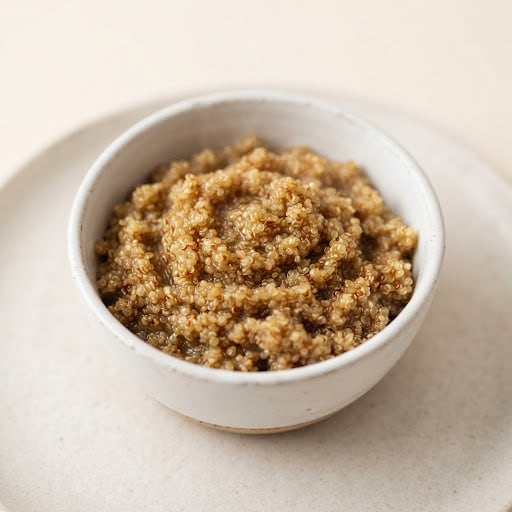
Babies can have amaranth from 6 months, cooked into a soft porridge. Amaranth is a tiny, naturally gluten-free seed cooked like a grain, with useful iron and protein for babies. Cooked amaranth is sticky and soft, so it is a low choking risk.
How to serve amaranth by age
Shapes and textures change as your baby’s grasp and chewing grow.

6 months
Simmer amaranth in plenty of water until very thick and creamy, then blend or stir in breast milk or formula so it is smooth. Serve it as porridge on a preloaded spoon, mixed with smooth fruit or vegetable puree.

7–8 months
Cook amaranth a little thicker and leave it as a soft, slightly textured porridge, or stir it into yogurt or fork-mashed fruit. Your baby can also scoop it with a preloaded spoon or try sticky handfuls, since cooked amaranth is very soft.

9–12 months
Offer amaranth porridge for self-feeding with a spoon or hands, or mix cooked amaranth into soft patties or fritters with egg and vegetables, cut into finger-size strips. Cooked amaranth can also be stirred into soups and stews.

12 months +
Toddlers can eat amaranth porridge, amaranth in baked goods, or popped amaranth sprinkled on yogurt. Offer popped amaranth only while seated and in small amounts, since dry, airy foods can be inhaled if a child is running or laughing.
Why it’s good
Amaranth gives babies plant protein, iron, magnesium, phosphorus, manganese and fiber. It is one of the more iron-rich grains, which matters after 6 months when babies need iron from food. Serve it with a vitamin C food, like strawberries, kiwi or tomato, to boost iron absorption.
Safety notes
- Always cook amaranth fully; raw seeds are hard and hard to digest.
- Rinse amaranth in a fine mesh strainer before cooking to remove dust and any bitter coating.
- Cook amaranth with plenty of liquid, around 3 parts liquid to 1 part amaranth, and stir well so it is smooth, not gritty.
- Popped amaranth is very light and dry, so offer it to toddlers seated, in small pinches, or mixed into wet foods like yogurt.
- Amaranth is naturally gluten-free, but buy certified gluten-free if your child has celiac disease, since cross-contact with wheat is possible.
A low-allergy food, still worth watching
Amaranth is not a Top 9 allergen, and reactions are rare. Introduce it like any new food in a small amount and watch for hives, vomiting or swelling.
Amaranth for babies: questions parents ask
Quick answers about amaranth for babies and toddlers.
When can babies have amaranth?
Babies can have amaranth from about 6 months, when they are ready for solids. Cook amaranth into a soft porridge or mix it into other soft foods.
Can babies have amaranth?
Yes, babies can eat amaranth, and it is a nourishing grain with iron and protein. Amaranth is also gluten-free, which makes it handy for families avoiding wheat.
Is amaranth a choking hazard for babies?
No, cooked amaranth is a low choking risk because it becomes soft and porridge-like. Popped amaranth is dry and airy, so offer it to toddlers seated and mixed into moist foods.
Is amaranth a common allergen?
No, amaranth is not one of the Top 9 common food allergens. Allergic reactions to amaranth are rare.
How do I serve amaranth to a 6 month old?
For a 6 month old, simmer amaranth in liquid until thick and creamy, then serve it as porridge on a preloaded spoon. Stir in mashed banana, pear or pumpkin for flavor.
How do I cook amaranth for babies?
Rinse amaranth, then simmer 1 part amaranth with about 3 parts water, breast milk, formula or whole cow's milk for 20 to 25 minutes, stirring often, until thick. Add extra liquid at the end if you want a smoother, thinner porridge for a younger baby.
Is amaranth gluten-free?
Yes, amaranth is naturally gluten-free because it is a seed, not a type of wheat. Choose certified gluten-free amaranth if your child has celiac disease.
Can babies have popped amaranth?
Babies under 12 months are better off with cooked amaranth porridge than dry popped amaranth. Toddlers can have popped amaranth sprinkled on yogurt or fruit, eaten seated and in small amounts.
Is amaranth good for constipation?
Amaranth contains fiber, which can help keep stools soft when babies also drink enough fluids. Offer water in an open cup with meals, and talk to your pediatrician if constipation lasts more than a few days.
Can babies have amaranth leaves?
Yes, babies can eat cooked amaranth leaves, which are a leafy green used in many cuisines. Cook amaranth leaves until very soft and chop or blend them, like spinach.
The takeaway
- Babies can have amaranth from 6 months, cooked into a soft porridge.
- Simmer amaranth in plenty of water until very thick and creamy, then blend or stir in breast milk or formula so it is smooth.
- Choking risk is low. Not a Top 9 allergen, but offer a small amount first and watch for any reaction.
Read next


Sources
This guide follows current advice from these organizations.
- Starting Solid Foods American Academy of Pediatrics (HealthyChildren.org)
- When, What, and How to Introduce Solid Foods Centers for Disease Control and Prevention
- Choking Hazards Centers for Disease Control and Prevention
- Iron Centers for Disease Control and Prevention
Track every new food in your baby’s passport
Track the first 100 foods and the Top 9 allergens. 7 days free.
More grains for babies
Updated November 2026. Reviewed by our dietitians. Based on AAP, CDC and NIAID guidance. Written for healthy, full-term babies; not a substitute for your pediatrician. If your baby was born early, has a medical condition, feeding difficulties or a known allergy, check with them first (medical disclaimer). Always stay with your baby while they eat.