
Grains Food Library
When can babies have arrowroot?
Can babies have arrowroot?
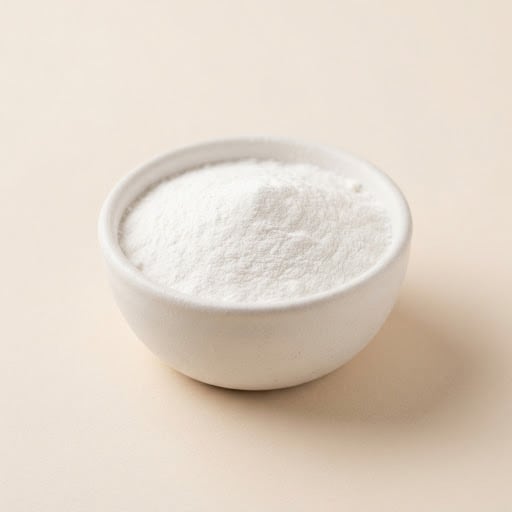
Babies can have arrowroot from about 6 months, usually as arrowroot powder cooked into sauces, purees or baked goods. Arrowroot is a gluten-free starch that thickens foods but adds little nutrition on its own. Arrowroot biscuits are a different product: many contain wheat and sugar, so read the label.
How to serve arrowroot by age
Shapes and textures change as your baby’s grasp and chewing grow.

6 months
Use arrowroot powder to thicken runny purees, homemade fruit sauces or smooth vegetable blends so they cling to a preloaded spoon. Mix the powder with a little cold water first, stir it in, and warm gently until it turns glossy.

7–8 months
Thicken lumpier mashes, sauces and gravies with a little arrowroot so they hold on a spoon. You can also stir an arrowroot-thickened fruit sauce over soft pieces of ripe pear or a soft toast strip for your baby to grab.

9–12 months
Add arrowroot to homemade pancakes, muffins or veggie fritters as part of the flour mix, and serve in soft finger-size strips. Arrowroot helps gluten-free baking hold together, but pair it with nutrient-rich flours like oat or almond.

12 months +
Toddlers can eat arrowroot in family baking, sauces and puddings. Store-bought arrowroot biscuits or cookies are fine as an occasional snack if you check them for added sugar and allergens, but they are not a nutritious everyday food.
Why it’s good
Arrowroot powder is almost pure starch, so it mainly provides energy and very little protein, iron or vitamins. Its value for babies is in cooking: it thickens food smoothly, is easy to digest and is naturally gluten-free. Fresh arrowroot tuber, eaten in some countries, has more fiber, folate and potassium than the powder.
Safety notes
- Arrowroot biscuits often contain wheat flour, sugar and sometimes milk or soy. Check the label for allergens and added sugar before offering them.
- Dissolvable biscuits can still break off in chunks or turn into a sticky paste. Offer them with your baby sitting upright and supervised.
- Do not add arrowroot to a baby's bottle to thicken formula or breast milk unless a doctor tells you to. Thickened feeds can affect intake and should only be used under medical guidance.
- Cook arrowroot into food rather than serving spoonfuls of dry powder, which can be inhaled or cause coughing.
- Because arrowroot is low in nutrients, use it as an ingredient, not as a replacement for iron-rich cereals, meats, beans or eggs.
A low-allergy food, still worth watching
Arrowroot is not a Top 9 allergen and allergic reactions to it are rare. Arrowroot biscuits and teething cookies often contain wheat, dairy or soy, so check ingredients if your baby has a known food allergy.
Arrowroot for babies: questions parents ask
Quick answers about arrowroot for babies and toddlers.
When can babies have arrowroot?
Babies can have arrowroot from about 6 months, when they start solids. Arrowroot powder is best used cooked into purees, sauces or baked foods.
Can babies have arrowroot?
Yes, babies can eat arrowroot in cooked foods. Arrowroot is a mild, gluten-free starch that is easy to digest, though it offers little nutrition on its own.
Is arrowroot a choking hazard for babies?
Arrowroot powder cooked into food is not a choking hazard. Arrowroot biscuits can break into hard pieces or form a sticky lump, so supervise closely and offer them only when your baby is sitting upright.
Is arrowroot a common allergen?
No, arrowroot is not one of the Top 9 common food allergens, and reactions are rare. Store-bought arrowroot biscuits may contain wheat, milk or soy, which are common allergens.
How do I serve arrowroot to a 6 month old?
To serve arrowroot to a 6 month old, mix a teaspoon of arrowroot powder with cold water and stir it into a warm fruit or vegetable puree to thicken it. A thicker puree is easier for a baby to scoop with a spoon or eat from a dipper.
Are arrowroot biscuits good for babies?
Arrowroot biscuits are fine as an occasional snack but are not especially nutritious for babies. Many brands contain wheat flour and added sugar, so compare labels and prefer soft fruit, toast strips or vegetables for everyday snacks.
Is arrowroot gluten-free?
Yes, pure arrowroot powder is naturally gluten-free. Check that the package is labeled gluten-free if your child has celiac disease, since cross-contact can happen during processing.
Can arrowroot help with diarrhea or constipation in babies?
Arrowroot is sometimes used as a gentle food during tummy upsets, but it is not a treatment for diarrhea or constipation in babies. Call your pediatrician if your baby has diarrhea with signs of dehydration, or constipation that lasts more than a few days.
What is the difference between arrowroot and cornstarch?
Arrowroot and cornstarch are both thickeners, but arrowroot comes from a tropical root and gives a clearer, glossier finish. Arrowroot also thickens at a lower temperature and works well with acidic fruit, so it is handy for baby fruit sauces.
The takeaway
- Babies can have arrowroot from about 6 months, usually as arrowroot powder cooked into sauces, purees or baked goods.
- Use arrowroot powder to thicken runny purees, homemade fruit sauces or smooth vegetable blends so they cling to a preloaded spoon.
- Choking risk is low. Not a Top 9 allergen, but offer a small amount first and watch for any reaction.
Read next


Sources
This guide follows current advice from these organizations.
- Starting Solid Foods American Academy of Pediatrics (HealthyChildren.org)
- When, What, and How to Introduce Solid Foods Centers for Disease Control and Prevention
- Choking Hazards Centers for Disease Control and Prevention
- Foods and Drinks to Avoid or Limit Centers for Disease Control and Prevention
- Dietary Guidelines for Americans, 2020-2025 U.S. Department of Agriculture and HHS
Track every new food in your baby’s passport
Track the first 100 foods and the Top 9 allergens. 7 days free.
More grains for babies
Updated November 2026. Reviewed by our dietitians. Based on AAP, CDC and NIAID guidance. Written for healthy, full-term babies; not a substitute for your pediatrician. If your baby was born early, has a medical condition, feeding difficulties or a known allergy, check with them first (medical disclaimer). Always stay with your baby while they eat.