
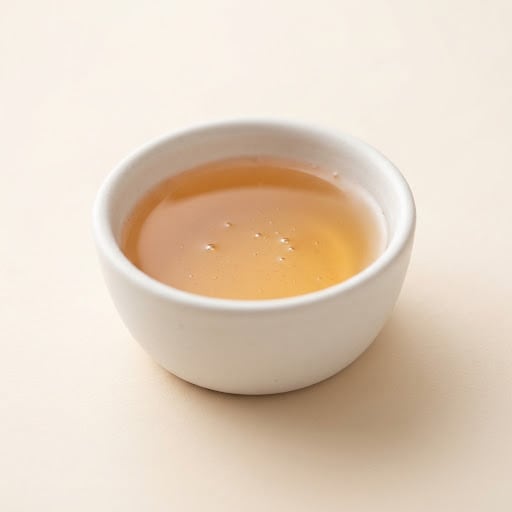
Drinks & extras Food Library
When can babies have vinegar?
Can babies have vinegar?
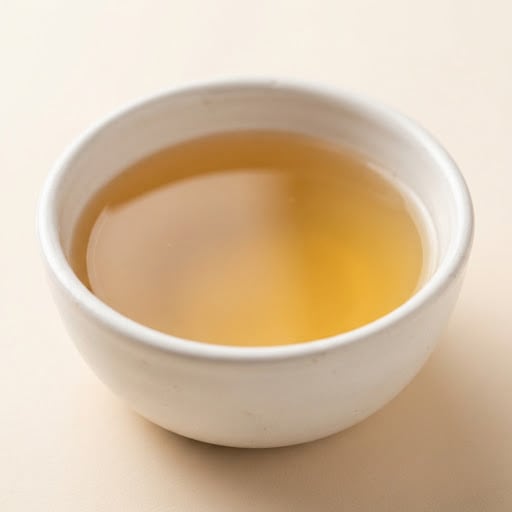
Babies can have small amounts of vinegar from about 6 months as a flavoring cooked or mixed into food. Vinegar should never be given to drink, as it is very acidic. Choose plain vinegars without added sugar or salt, and avoid sweetened balsamic glazes.
How to serve vinegar by age
Shapes and textures change as your baby’s grasp and chewing grow.

6 months
Add a few drops of apple cider, rice or wine vinegar to smooth mashed vegetables, beans or lentils, and offer them on a spoon. Never give vinegar to drink.

7–8 months
Stir a few drops of mild vinegar into lumpier mashed vegetables or beans, or whisk a little into olive oil to drizzle over soft cooked vegetables your baby can hold.

9–12 months
Use small amounts of vinegar in homemade dressings, marinades for meat or quick sauces. Keep flavors gentle and avoid sugary bottled dressings.

12 months +
Toddlers can have vinegar in family dressings, sauces and marinades. Pickles and vinegar-based condiments are often salty, so keep them as occasional foods.
Why it’s good
Vinegar adds bright, tangy flavor without salt or sugar, which helps babies get used to a range of tastes. It adds very little nutrition, but acid can help the body absorb iron from plant foods.
Safety notes
- Never give vinegar to drink, and do not offer apple cider vinegar shots or tonics. Undiluted vinegar can irritate and burn the mouth and throat.
- Use only small amounts mixed into food.
- Balsamic glazes, sweet chili vinegars and many bottled dressings contain added sugar or salt. Choose plain vinegar.
- Some vinegars, especially wine and balsamic vinegars, contain sulfites, which can trigger symptoms in sensitive children.
- Store vinegar bottles out of reach. Cleaning vinegar is stronger than food vinegar and is not for eating.
A low-allergy food, still worth watching
Vinegar is not a common food allergen, and reactions are rare. Malt vinegar is made from barley and contains gluten, and some children react to sulfites in wine vinegars.
Vinegar for babies: questions parents ask
Quick answers about vinegar for babies and toddlers.
When can babies have vinegar?
Babies can have small amounts of vinegar from about 6 months, mixed or cooked into food. Vinegar should be used as a flavoring and never given to drink.
Can babies have vinegar?
Yes, babies can eat small amounts of vinegar in foods like dressed vegetables, beans or marinated meat. Plain vinegars without added sugar or salt are best.
Is vinegar a choking hazard for babies?
Vinegar is a low choking risk for babies because it is a liquid mixed into food. Make sure the foods it flavors are cut and cooked to suit your baby's age.
Is vinegar a common allergen?
No, vinegar is not a common allergen and is not one of the Top 9 food allergens. Malt vinegar contains gluten from barley, and wine vinegars may contain sulfites.
How do I serve vinegar to a 6 month old?
To serve vinegar to a 6 month old, add a few drops of mild vinegar to smooth mashed vegetables, beans or lentils and offer them on a spoon. Never give vinegar to drink.
Does vinegar contain alcohol?
Vinegar is made by fermenting alcohol into acid, and most vinegars contain only trace amounts of alcohol. These traces are not a concern in the small amounts used in baby food.
Can babies have apple cider vinegar?
Babies can have a few drops of apple cider vinegar mixed into food. Babies should not be given apple cider vinegar drinks, tonics or gummies, which are not meant for young children.
Are balsamic and wine vinegars safe for babies?
Plain balsamic and wine vinegars are fine for babies in small amounts mixed into food. Avoid sweetened balsamic glazes, and watch for sulfite sensitivity.
The takeaway
- Babies can have small amounts of vinegar from about 6 months as a flavoring cooked or mixed into food.
- Add a few drops of apple cider, rice or wine vinegar to smooth mashed vegetables, beans or lentils, and offer them on a spoon.
- Choking risk is low. Not a Top 9 allergen, but offer a small amount first and watch for any reaction.
Read next


Sources
This guide follows current advice from these organizations.
- Starting Solid Foods American Academy of Pediatrics (HealthyChildren.org)
- When, What, and How to Introduce Solid Foods Centers for Disease Control and Prevention
- Choking Hazards Centers for Disease Control and Prevention
- Recommended Drinks for Young Children Ages 0-5 American Academy of Pediatrics (HealthyChildren.org)
- Foods and Drinks to Avoid or Limit Centers for Disease Control and Prevention
- Dietary Guidelines for Americans, 2020-2025 U.S. Department of Agriculture and HHS
Track every new food in your baby’s passport
Track the first 100 foods and the Top 9 allergens. 7 days free.
More drinks and extras for babies
Updated November 2026. Reviewed by our dietitians. Based on AAP, CDC and NIAID guidance. Written for healthy, full-term babies; not a substitute for your pediatrician. If your baby was born early, has a medical condition, feeding difficulties or a known allergy, check with them first (medical disclaimer). Always stay with your baby while they eat.