
Protein Food Library
When can babies have veal?
Can babies have veal?
Babies can have veal from about 6 months, fully cooked and served tender, ground or shredded. Veal is a mild red meat that gives babies iron, zinc and protein. Veal is not a common allergen, though babies with a beef allergy may react.
How to serve veal by age
Shapes and textures change as your baby’s grasp and chewing grow.

6 months
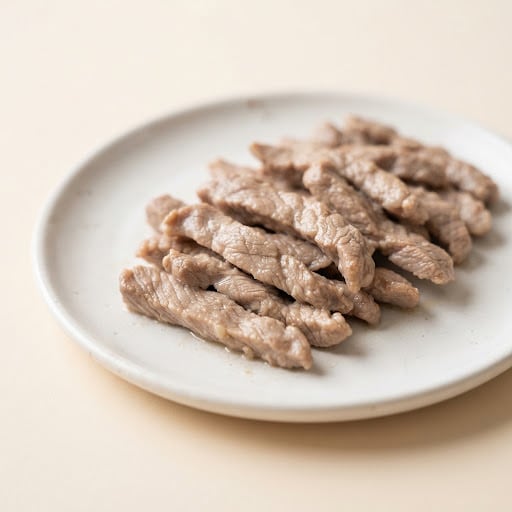
Slow-cook or braise veal until very tender, or cook ground veal to 160°F (71°C), then blend it with a little broth, breast milk or formula into a smooth puree. Mix it with smooth vegetable puree and offer it on a spoon.

7–8 months
Finely shred tender braised veal into lumpier mashes, or offer soft ground veal meatballs that fall apart when pressed. A large strip of veal braised until it shreds easily between your fingers also works. Remove bones, fat and gristle.

9–12 months
Offer finely shredded veal or soft meatballs cut into bite-size pieces. Mix veal with a little sauce or broth to keep it moist and easy to swallow.

12 months +
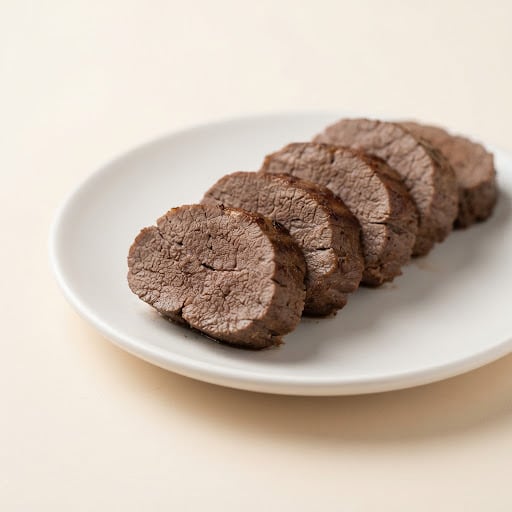
Toddlers can have thin slices of tender veal, veal meatballs in sauce or ground veal in pasta and casseroles. Cut veal across the grain into small pieces.
Why it’s good
Veal gives babies easily absorbed heme iron and zinc, which babies need more of from about 6 months, plus protein, vitamin B12 and niacin for growth and brain development. Its mild flavor and tender texture make it a gentle introduction to red meat.
Safety notes
- Cook ground veal to 160°F (71°C), and steaks, chops and roasts to at least 145°F (63°C) with a 3 minute rest.
- Firm or dry pieces of veal can be hard to chew. Braise, stew or grind veal, and avoid cubes and chunks for babies.
- Remove bones, fat and gristle before serving.
- Breaded veal cutlets and veal sausages can be salty or crunchy. Choose plain, home-cooked veal for babies.
A low-allergy food, still worth watching
Veal is not one of the Top 9 allergens. Some babies with a cow's milk allergy also react to beef or veal, especially if it is lightly cooked, so start with a small, well-cooked amount and ask your pediatrician if your baby has a milk allergy.
Veal for babies: questions parents ask
Quick answers about veal for babies and toddlers.
When can babies have veal?
Babies can have veal from about 6 months, once they are ready for solids. Veal should be fully cooked and tender, blended smooth at first, then shredded or served as soft meatballs from 7–8 months.
Can babies have veal?
Yes, babies can eat veal. Veal is a mild, tender meat that provides iron, zinc and protein for growing babies.
Is veal a choking hazard for babies?
Veal can be a choking hazard for babies when served in firm chunks or dry cubes. Offer blended, ground or shredded veal, or very tender braised strips that squash easily, and always stay with your baby during meals.
Is veal a common allergen?
No, veal is not a common allergen and is not one of the Top 9 food allergens. Babies with a cow's milk allergy sometimes react to beef or veal, so start with a small amount.
How do I serve veal to a 6 month old?
To serve veal to a 6 month old, slow-cook it until very tender, then blend it with a little broth into a smooth puree mixed with vegetables and offer it on a spoon. Soft ground veal meatballs can follow at 7–8 months. Make sure the veal is fully cooked and free of gristle.
What kind of meat is veal?
Veal is meat from young calves. It is paler and more tender than beef, with a milder flavor that many babies accept easily.
Is veal better than beef for babies?
Veal is not better than beef for babies, but it is more tender and milder. Beef has a little more iron, so both can be part of a varied diet.
What is the best cut of veal for babies?
Ground veal, veal shoulder and veal shank are great for babies because they become very tender when braised or slow cooked. Thin cutlets dry out more easily.
The takeaway
- Babies can have veal from about 6 months, fully cooked and served tender, ground or shredded.
- Slow-cook or braise veal until very tender, or cook ground veal to 160°F (71°C), then blend it with a little broth, breast milk or formula into a smooth puree.
- Choking risk is medium. Not a Top 9 allergen, but offer a small amount first and watch for any reaction.
Read next


Sources
This guide follows current advice from these organizations.
- Starting Solid Foods American Academy of Pediatrics (HealthyChildren.org)
- When, What, and How to Introduce Solid Foods Centers for Disease Control and Prevention
- Choking Hazards Centers for Disease Control and Prevention
- Choking Prevention American Academy of Pediatrics (HealthyChildren.org)
- Iron Centers for Disease Control and Prevention
Track every new food in your baby’s passport
Track the first 100 foods and the Top 9 allergens. 7 days free.
More protein foods for babies
Updated November 2026. Reviewed by our dietitians. Based on AAP, CDC and NIAID guidance. Written for healthy, full-term babies; not a substitute for your pediatrician. If your baby was born early, has a medical condition, feeding difficulties or a known allergy, check with them first (medical disclaimer). Always stay with your baby while they eat.