
Protein Food Library
When can babies have urad dal?
Can babies have urad dal?
Babies can have urad dal (black gram) from about 6 months, cooked until very soft and mashed. Urad dal is rich in plant protein, iron and fiber, and it is the base of soft foods like idli and dal makhani. Serve it without added salt and start with small amounts, since it can cause gas.
How to serve urad dal by age
Shapes and textures change as your baby’s grasp and chewing grow.

6 months
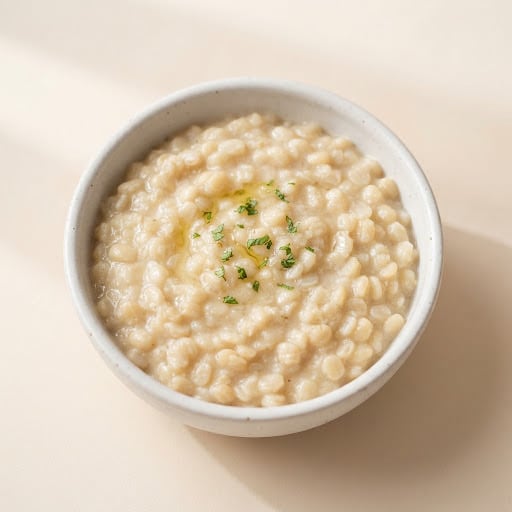
Soak split urad dal for a couple of hours, then cook it until it is creamy and falls apart. Blend or whisk it into a smooth, runny dal with a little ghee, cumin and turmeric, and offer it on a spoon or mixed into soft rice porridge.

7–8 months
Serve a thicker, slightly lumpier urad dal mashed into soft rice or vegetables. You can also offer a soft homemade idli torn into finger-length pieces that squash easily, made without salt.

9–12 months
Serve thick urad dal with soft rice for hand scooping, or offer small pieces of idli or soft, thin dosa. Mix in mashed vegetables like carrot, spinach or bottle gourd for extra nutrients.

12 months +
Toddlers can have urad dal in family dishes like dal makhani, idli, dosa and soft uttapam, with salt added to adult portions only. Hold off on crispy, deep-fried urad dal snacks like vada and papad, which are hard and salty.
Why it’s good
Urad dal gives babies plant protein, iron, folate, magnesium, potassium and fiber to support growth and digestion. Pair urad dal with a vitamin C food such as tomato, lemon or fruit to help your baby absorb more iron. Fermented urad dal batter used for idli and dosa is soft and easy for many babies to eat.
Safety notes
- Cook urad dal until it is completely soft and creamy. Undercooked dal is firm and hard to digest.
- Whole black urad (sabut urad) needs long soaking, often overnight, and longer cooking than split dal. Make sure each bean squashes easily before serving it to a baby.
- Urad dal can cause gas and bloating. Start with a small portion, soak it before cooking, and cook it with cumin or a pinch of asafoetida (hing).
- Keep your baby's portion low in salt and spice. Take it out of the pot before seasoning the family dish, and skip papad, which is very salty and brittle.
- Store idli and dosa batter in the fridge once fermented, and discard batter that smells unusually sour or shows mold.
A low-allergy food, still worth watching
Urad dal is not one of the Top 9 allergens, but it is a legume, and some children with peanut or other legume allergies may react. Offer a small amount first and watch for hives, vomiting or swelling, and ask your pediatrician first if your baby has a known legume allergy.
Urad dal for babies: questions parents ask
Quick answers about urad dal for babies and toddlers.
When can babies have urad dal?
Babies can have urad dal from about 6 months, once they start solid foods. Urad dal should be soaked, cooked until creamy and mashed for young babies.
Can babies have urad dal?
Yes, babies can eat urad dal when it is fully cooked and served without added salt. Urad dal is a good plant source of protein and iron for babies.
Is urad dal a choking hazard for babies?
Urad dal is a low choking risk when it is cooked until soft and mashed. Undercooked whole black urad beans are firmer, so cook them fully and always stay with your baby during meals.
Is urad dal a common allergen?
No, urad dal is not a common allergen and is not in the Top 9. Urad dal is a legume, so children with peanut or other legume allergies may occasionally react to it.
How do I serve urad dal to a 6 month old?
To serve urad dal to a 6 month old, soak and cook split urad dal until creamy, then blend or whisk it into a smooth, loose dal and offer it on a spoon. Soft homemade idli torn into strips can follow at 7–8 months.
Can babies have idli?
Yes, babies can eat idli, since idli is soft, steamed and made from rice and urad dal. At 6 months, mash idli smoothly with a little dal, breast milk or formula and offer it on a spoon; from 7–8 months, tear it into finger-length pieces. Make idli at home without salt for babies, or rinse off any salty chutney.
What is the difference between whole urad and urad dal?
Whole urad (sabut urad) is the black-skinned bean, while urad dal is split and usually skinned, so it looks white. Urad dal cooks faster and turns creamier, which makes it easier for babies than whole black urad.
How do I reduce gas from urad dal for my baby?
To reduce gas from urad dal, soak it before cooking, discard the soaking water and cook it until very soft. Adding cumin, ginger or a pinch of asafoetida and starting with a small portion of urad dal also helps.
Can babies have vada or papad?
Vada and papad are made from urad dal but are deep-fried or crispy and often salty, so they are not good choices for babies. Toddlers can try a small piece of soft vada occasionally, but papad is brittle and very salty, so it is best saved for older children.
The takeaway
- Babies can have urad dal (black gram) from about 6 months, cooked until very soft and mashed.
- Soak split urad dal for a couple of hours, then cook it until it is creamy and falls apart.
- Choking risk is low. Not a Top 9 allergen, but offer a small amount first and watch for any reaction.
Read next


Sources
This guide follows current advice from these organizations.
- Starting Solid Foods American Academy of Pediatrics (HealthyChildren.org)
- When, What, and How to Introduce Solid Foods Centers for Disease Control and Prevention
- Choking Hazards Centers for Disease Control and Prevention
- Foods and Drinks to Avoid or Limit Centers for Disease Control and Prevention
- Iron Centers for Disease Control and Prevention
Track every new food in your baby’s passport
Track the first 100 foods and the Top 9 allergens. 7 days free.
More protein foods for babies
Updated November 2026. Reviewed by our dietitians. Based on AAP, CDC and NIAID guidance. Written for healthy, full-term babies; not a substitute for your pediatrician. If your baby was born early, has a medical condition, feeding difficulties or a known allergy, check with them first (medical disclaimer). Always stay with your baby while they eat.