
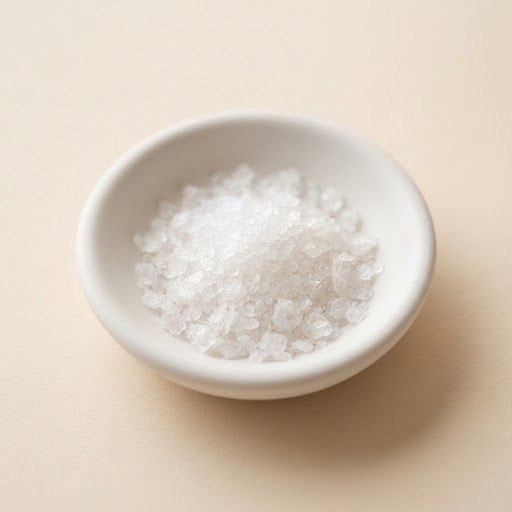
Herbs & spices Food Library
When can babies have salt?
Can babies have salt?
Babies should not have salt added to their food before 12 months. Baby kidneys cannot handle much sodium, and breast milk, formula and everyday foods already provide what they need. After 12 months, small amounts of salt in family food are fine, but keep it low until at least age 2.
How to serve salt by age
Shapes and textures change as your baby’s grasp and chewing grow.

6 months
Do not add salt to your baby's food. Cook family meals without salt, take out your baby's portion to puree, then season the rest. Use flavor from garlic, onion, cumin, cinnamon, herbs or a squeeze of lemon instead.

7–8 months
Keep cooking without added salt as your baby moves to lumpier mashes and soft pieces. Set aside your baby's portion before seasoning, and choose no-salt-added canned beans, vegetables and stock.

9–12 months
Keep cooking without added salt and limit salty foods like bacon, ham, deli meats, salty crackers and stock cubes. Choose low-sodium or no-salt-added bread, canned beans and canned vegetables, and rinse canned foods well.

12 months +
Toddlers can eat family food with a light hand of salt, but keep it modest until age 2 and beyond. Add salt at the table to adult plates, and keep very salty foods like chips, instant noodles and processed meats as rare extras.
Why it’s good
Sodium is a nutrient babies need in small amounts, and they get enough from breast milk, formula and natural foods. Iodized salt is a source of iodine for older children and adults, but babies get iodine from milk, eggs, dairy and fish. Learning to enjoy food without extra salt helps build lifelong eating habits.
Safety notes
- Never add salt to baby food, purees, formula or water. Too much salt can be dangerous for babies because their kidneys cannot clear it quickly.
- Watch hidden salt. Bread, cheese, stock, soy sauce, canned soups, ready meals, sausages, bacon and savory snacks are often high in sodium.
- Read labels and choose 'no salt added' or 'low sodium' versions. As a guide, 140 mg of sodium or less per serving counts as low sodium on US labels.
- Do not give foods made for adults that taste very salty, such as olives in brine, salted fish, pickles or instant noodle seasoning, before 12 months. Rinse or soak if you use them later.
- Store salt and salty seasonings out of reach. Eating a large amount of salt, even a spoonful or two, can cause salt poisoning in a small child. Call Poison Control (1-800-222-1222 in the US) if your child eats salt from the shaker.
A low-allergy food, still worth watching
Salt is not an allergen and is not one of the Top 9 food allergens. Some seasoning blends and salty sauces contain allergens such as soy or wheat, so check the label of any mixed seasoning.
Salt for babies: questions parents ask
Quick answers about salt for babies and toddlers.
When can babies have salt?
Babies can have small amounts of salt in family food from 12 months. Before 12 months, do not add salt to a baby's food. After the first birthday, keep salt low, as toddlers 1 to 3 years need only a small amount of sodium each day.
Can babies have salt?
Babies should not have salt added to their food in the first year. Babies need only a tiny amount of sodium, and breast milk, formula and natural foods already provide it. Too much salt can strain a baby's kidneys.
Is salt a choking hazard for babies?
Salt is not a choking hazard for babies. The concern with salt is the amount, not the texture. Large amounts of salt are harmful to babies, so keep salt and salty seasonings out of reach.
Is salt a common allergen?
Salt is not a common allergen and is not one of the Top 9 allergens. Seasoning salts and blends can contain other ingredients like soy, wheat or MSG, so read the label.
How do I flavor food for a 6 month old without salt?
To flavor food for a 6 month old without salt, use garlic, onion, mild spices like cumin, paprika or cinnamon, fresh herbs, a little lemon or lime, and unsalted butter or olive oil. Roasting vegetables also brings out natural sweetness and flavor.
How much salt can a toddler have?
Toddlers 1 to 3 years old should have no more than about 1,200 mg of sodium a day, according to US dietary guidance, which is roughly half a teaspoon of salt in total from all foods. Most of that comes from bread, cheese and packaged foods, so little or no salt needs to be added.
What happens if a baby eats too much salt?
A baby who eats a lot of salt may become very thirsty, vomit, have diarrhea, or seem sleepy or irritable. Severe salt poisoning is rare but serious. If your baby eats a large amount of salt or a salty seasoning, call Poison Control or your pediatrician right away.
Can I cook family meals with salt if my baby eats with us?
You can share family meals with your baby by cooking without salt and seasoning adult portions afterward or at the table. Low-sodium versions of stock, canned tomatoes and beans make it easy to serve one meal for the whole family.
Which baby foods are high in salt?
Foods high in salt for babies include bread, cheese, ham, bacon, sausages, deli meats, stock cubes, soy sauce, canned soups, crackers and most ready meals. Choose low-sodium versions, rinse canned foods and keep portions of salty cheese small.
Is sea salt or pink Himalayan salt better for babies?
Sea salt and pink Himalayan salt are not better for babies than table salt. They have about the same amount of sodium, so the same advice applies: no added salt before 12 months and only a little after that.
Why can't babies have salt?
Babies should not have salt added to their food before 12 months because their kidneys cannot clear much sodium, and breast milk, formula and natural foods already give all the sodium they need. Flavor food with herbs, garlic, mild spices or lemon instead, and watch for hidden salt in bread, cheese and stock.
The takeaway
- Babies should not have salt added to their food before 12 months.
- Toddlers can eat family food with a light hand of salt, but keep it modest until age 2 and beyond.
- Choking risk is low. Not a Top 9 allergen, but offer a small amount first and watch for any reaction.
Read next


Sources
This guide follows current advice from these organizations.
- Starting Solid Foods American Academy of Pediatrics (HealthyChildren.org)
- When, What, and How to Introduce Solid Foods Centers for Disease Control and Prevention
- Choking Hazards Centers for Disease Control and Prevention
- Foods and Drinks to Avoid or Limit Centers for Disease Control and Prevention
- Dietary Guidelines for Americans, 2020-2025 U.S. Department of Agriculture and HHS
Track every new food in your baby’s passport
Track the first 100 foods and the Top 9 allergens. 7 days free.
More herbs and spices for babies
Updated November 2026. Reviewed by our dietitians. Based on AAP, CDC and NIAID guidance. Written for healthy, full-term babies; not a substitute for your pediatrician. If your baby was born early, has a medical condition, feeding difficulties or a known allergy, check with them first (medical disclaimer). Always stay with your baby while they eat.