
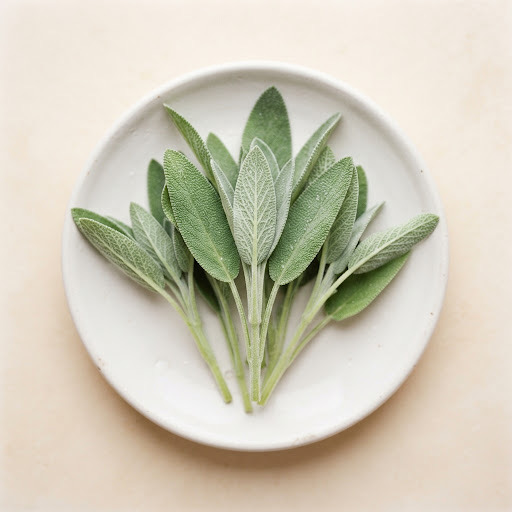
Herbs & spices Food Library
When can babies have sage?
Can babies have sage?
Babies can have sage from about 6 months as a seasoning, finely chopped or dried and cooked into food. Fresh sage leaves are fuzzy and can stick in the mouth, so chop them finely. Sage tea, sage oil and sage supplements are not for babies because concentrated sage contains a compound that can be harmful in large amounts.
How to serve sage by age
Shapes and textures change as your baby’s grasp and chewing grow.

6 months
Stir a pinch of dried sage or very finely chopped fresh sage into butternut squash, sweet potato, white beans or ground meat while it cooks, then blend it smooth. Start small, since sage is strong.

7–8 months
Add finely chopped or dried sage to lumpier mashed squash, beans, soft meatballs or minced meat. Avoid serving whole fresh or fried sage leaves.

9–12 months
Add finely chopped sage to soft meatballs, pasta with butter, omelets or roasted vegetables. Avoid serving whole fresh or fried sage leaves.

12 months +
Toddlers can enjoy sage in family dishes like stuffing, roast chicken, soups and pasta. Crispy fried sage leaves can be offered crumbled once your child chews well.
Why it’s good
Sage is used in small amounts, so it adds flavor more than nutrition. Sage contains vitamin K, a little vitamin A and plant compounds. Herbs like sage let you season baby food without salt.
Safety notes
- Use sage only as a cooking herb. Sage tea, sage essential oil and supplements contain concentrated thujone, which can cause seizures in large amounts, so do not give them to children.
- Fresh sage leaves are fuzzy and can cling to the mouth and throat. Chop them finely or use dried sage.
- Dried sage can be dusty. Cook it into moist food so your baby does not inhale loose powder.
- Store-bought stuffing and sausage seasoned with sage are often high in sodium. Make your own with less salt.
- Wash garden sage well and make sure it has not been sprayed with chemicals.
A low-allergy food, still worth watching
Sage is not a common allergen, though reactions have been reported, sometimes in people allergic to other mint-family herbs. Watch for hives, swelling or vomiting the first time you serve it.
Sage for babies: questions parents ask
Quick answers about sage for babies and toddlers.
When can babies have sage?
Babies can have sage from about 6 months as a seasoning cooked into food. Use a small pinch of dried or finely chopped fresh sage.
Can babies have sage?
Yes, babies can eat sage in the small amounts used for cooking. Concentrated forms like sage tea, oil and supplements are not safe for babies.
Is sage a choking hazard for babies?
Sage is a low choking risk when finely chopped or dried and cooked into food. Whole fresh leaves are fuzzy and can stick in the mouth, so chop them for babies.
Is sage a common allergen?
No, sage is not a common allergen and is not one of the Top 9 allergens. Allergic reactions are rare but possible, so watch your baby when you first offer it.
How do I serve sage to a 6 month old?
To serve sage to a 6 month old, stir a pinch of dried sage into warm mashed butternut squash or white beans. You can also cook ground turkey with finely chopped sage and serve it mixed into a puree.
Can babies have sage tea?
No, babies should not have sage tea. Sage tea can contain concentrated thujone, and babies under 12 months only need breast milk or formula plus small sips of water.
Is sage safe for breastfeeding moms?
Small amounts of sage in cooking are fine while breastfeeding. Large amounts of sage tea are sometimes used to reduce milk supply, so talk to your doctor or lactation consultant before using sage remedies.
Can babies have stuffing with sage?
Babies can have homemade stuffing with sage if it is moist, soft and made with low-sodium broth. Store-bought stuffing mixes are often high in salt, so save those for toddlers in small amounts.
The takeaway
- Babies can have sage from about 6 months as a seasoning, finely chopped or dried and cooked into food.
- Stir a pinch of dried sage or very finely chopped fresh sage into butternut squash, sweet potato, white beans or ground meat while it cooks, then blend it smooth.
- Choking risk is low. Not a Top 9 allergen, but offer a small amount first and watch for any reaction.
Read next



Sources
This guide follows current advice from these organizations.
- Starting Solid Foods American Academy of Pediatrics (HealthyChildren.org)
- When, What, and How to Introduce Solid Foods Centers for Disease Control and Prevention
- Choking Hazards Centers for Disease Control and Prevention
- Foods and Drinks to Avoid or Limit Centers for Disease Control and Prevention
Track every new food in your baby’s passport
Track the first 100 foods and the Top 9 allergens. 7 days free.
More herbs and spices for babies
Updated November 2026. Reviewed by our dietitians. Based on AAP, CDC and NIAID guidance. Written for healthy, full-term babies; not a substitute for your pediatrician. If your baby was born early, has a medical condition, feeding difficulties or a known allergy, check with them first (medical disclaimer). Always stay with your baby while they eat.