
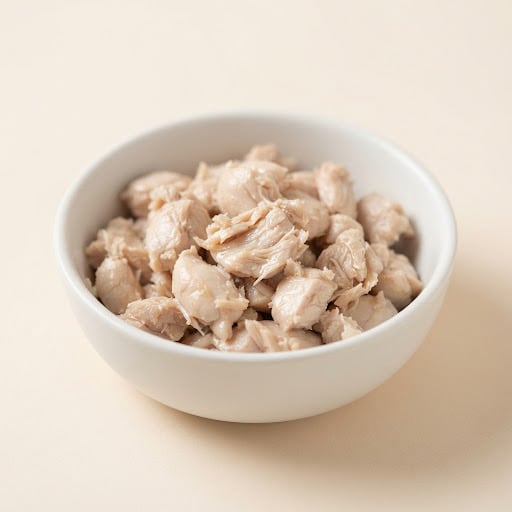
Protein Food Library
When can babies have rabbit?
Can babies have rabbit?
Babies can have rabbit from about 6 months, fully cooked, tender and with every small bone removed. Rabbit is a lean meat rich in protein, iron and vitamin B12. Rabbit is not a common allergen.
How to serve rabbit by age
Shapes and textures change as your baby’s grasp and chewing grow.

6 months
Braise or slow cook rabbit until it falls apart and reaches 160°F, remove every small bone, then blend the meat with some unsalted cooking liquid and vegetables into a smooth puree. Offer it on a spoon.

7–8 months
Mince or finely shred very tender rabbit into mashed potato or vegetables, or offer large, soft shreds or finger-length strips that fall apart easily. Ground rabbit can also be made into soft meatballs that squash between your fingers.

9–12 months
Offer small shreds or bite-size pieces of tender cooked rabbit, mixed with a little sauce or broth to keep them moist. Check each piece by hand for tiny bones.

12 months +
Toddlers can eat tender rabbit pieces in stews, pasta sauces and casseroles. Keep pieces small and moist, and avoid dry cubes.
Why it’s good
Rabbit gives babies high-quality protein, iron, zinc, vitamin B12, niacin and selenium. Rabbit is very lean, so cooking it with a little olive oil or serving it with avocado or full-fat yogurt adds energy babies need.
Safety notes
- Rabbit has many small, sharp bones. Debone carefully after cooking and shred the meat by hand to find any you missed.
- Cook rabbit to at least 160°F (71°C). Never serve rare or undercooked rabbit.
- Wild rabbit can carry tularemia and other infections. Wear gloves when handling raw wild rabbit, cook it thoroughly, or choose farmed rabbit.
- Lean rabbit turns dry and chewy when overcooked over high heat. Braise or stew it and serve it moist.
- Hunted rabbit may contain lead shot fragments. Trim around wound areas or choose farmed rabbit for babies.
A low-allergy food, still worth watching
Rabbit is not a common food allergen, and reactions are rare. Start with a small amount and watch for hives, vomiting or swelling, as with any new food.
Rabbit for babies: questions parents ask
Quick answers about rabbit for babies and toddlers.
When can babies have rabbit?
Babies can have rabbit from about 6 months, once they are ready for solids. Rabbit should be fully cooked, tender and completely deboned before serving.
Can babies have rabbit?
Yes, babies can eat rabbit. Rabbit is a lean, iron-rich meat that becomes very tender when braised or stewed.
Is rabbit a choking hazard for babies?
Rabbit can be a choking hazard for babies because of its small bones and because lean meat can become dry and chewy. Debone rabbit carefully, serve it shredded and moist, and always stay with your baby during meals.
Is rabbit a common allergen?
No, rabbit is not a common allergen and is not one of the Top 9 food allergens. Introduce rabbit in a small amount and watch for any unusual symptoms.
How do I serve rabbit to a 6 month old?
To serve rabbit to a 6 month old, braise the meat until it falls off the bone, remove all bones, and blend it smooth with some cooking liquid or mashed potato or sweet potato. Offer it on a spoon. Large soft shreds or strips can follow at 7–8 months.
Is rabbit meat safe for babies?
Rabbit meat is safe for babies when it comes from a trusted source and is cooked to at least 160°F. Farmed rabbit is the simplest choice for young children.
Can babies have wild rabbit?
Babies can eat wild rabbit only if it is handled carefully and cooked thoroughly. Wild rabbit can carry tularemia and may contain lead shot fragments, so farmed rabbit is the safer choice.
How do I keep rabbit moist for my baby?
To keep rabbit moist for your baby, braise or slow cook it in broth, tomato sauce or water with vegetables. Avoid grilling or frying rabbit over high heat, which dries the lean meat.
The takeaway
- Babies can have rabbit from about 6 months, fully cooked, tender and with every small bone removed.
- Braise or slow cook rabbit until it falls apart and reaches 160°F, remove every small bone, then blend the meat with some unsalted cooking liquid and vegetables into a smooth puree.
- Choking risk is medium. Not a Top 9 allergen, but offer a small amount first and watch for any reaction.
Read next


Sources
This guide follows current advice from these organizations.
- Starting Solid Foods American Academy of Pediatrics (HealthyChildren.org)
- When, What, and How to Introduce Solid Foods Centers for Disease Control and Prevention
- Choking Hazards Centers for Disease Control and Prevention
- Choking Prevention American Academy of Pediatrics (HealthyChildren.org)
- Iron Centers for Disease Control and Prevention
Track every new food in your baby’s passport
Track the first 100 foods and the Top 9 allergens. 7 days free.
More protein foods for babies
Updated November 2026. Reviewed by our dietitians. Based on AAP, CDC and NIAID guidance. Written for healthy, full-term babies; not a substitute for your pediatrician. If your baby was born early, has a medical condition, feeding difficulties or a known allergy, check with them first (medical disclaimer). Always stay with your baby while they eat.