
Protein Food Library
When can babies have prosciutto?
Can babies eat prosciutto?
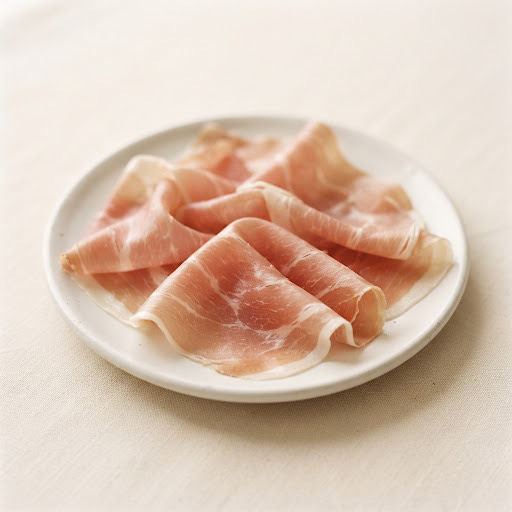
Prosciutto is best saved until 12 months or later, and then only in small amounts cooked into a dish. Prosciutto is a dry-cured, uncooked ham that is very high in sodium and can carry Listeria, so heat it before serving to young children. Thin, chewy slices can clump in the mouth, making prosciutto a moderate choking risk.
How to serve prosciutto by age
Shapes and textures change as your baby’s grasp and chewing grow.

6 months
Skip prosciutto at 6 months. Offer home-cooked pork, chicken or beef blended into a smooth puree with vegetables instead, which gives iron and protein without the high salt.

7–8 months
Keep skipping prosciutto. Finely minced or shredded home-cooked pork or chicken mixed into mashes, or soft meatballs that fall apart easily, are better choices at this age.

9–12 months
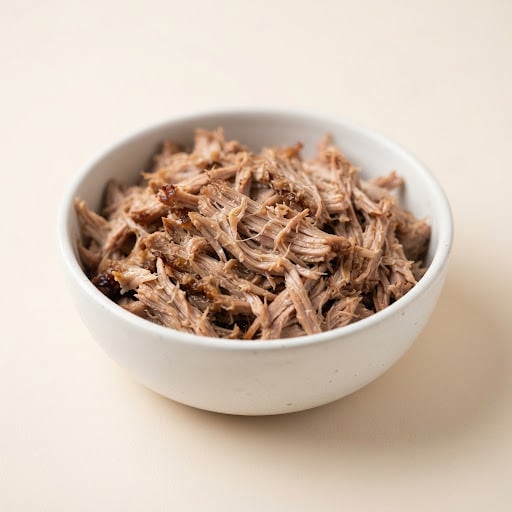
Keep waiting on prosciutto. Slow-cooked pork shoulder or roast chicken, shredded into small pieces, is a better choice at this age.

12 months +
Finely chop a small amount of prosciutto and cook it into pasta, risotto, eggs or vegetables until steaming hot, so its flavor spreads through the dish. Avoid large draped slices and very crispy shards, and keep it an occasional food.
Why it’s good
Prosciutto gives protein, iron, zinc and B vitamins, but it is one of the saltiest meats you can buy. A little goes a long way for flavor, while fresh, unprocessed meats are the better everyday source of iron for toddlers.
Safety notes
- Prosciutto is cured but not cooked. Heat it in cooking until steaming hot before serving to young children to lower the risk of Listeria.
- Prosciutto is very high in sodium. Use only a small amount for flavor and do not add extra salt to the dish.
- Thin slices are chewy and can clump together in the throat. Chop prosciutto finely rather than serving whole slices.
- Crispy baked prosciutto can break into hard, sharp shards. Crumble it very finely if you use it this way.
- Keep opened prosciutto refrigerated and use it within a few days.
A low-allergy food, still worth watching
Prosciutto is not a common allergen, though rare reactions to pork have been reported, sometimes in people with cat allergies. Some cured meats contain other ingredients, so check the label.
Prosciutto for babies: questions parents ask
Quick answers about prosciutto for babies and toddlers.
When can babies have prosciutto?
Prosciutto is best saved until 12 months or later because it is very salty and uncooked. After 12 months, offer a small amount finely chopped and cooked into a dish.
Can babies eat prosciutto?
Babies under 12 months should not eat prosciutto. Fresh, home-cooked meats are a better choice because they offer the same iron and protein without the high salt.
Is prosciutto a choking hazard for babies?
Yes, prosciutto can be a choking hazard because its thin, chewy slices can bunch up and stick in the throat. Chop prosciutto finely and cook it into other foods for toddlers, and always supervise meals.
Is prosciutto a common allergen?
No, prosciutto is not a common allergen and pork is not one of the Top 9 food allergens. Rare pork allergies do exist, so start with a small taste.
How do I serve prosciutto to a 6 month old?
Prosciutto should not be served to a 6 month old. Offer soft, shredded home-cooked pork or chicken instead, and wait until after 12 months for prosciutto.
Is prosciutto raw?
Prosciutto is dry-cured with salt and air-dried rather than cooked. It is sold ready to eat, but for young children it is safer to heat prosciutto until steaming hot, which reduces the risk of Listeria.
How salty is prosciutto?
Prosciutto is very salty, so even one thin slice adds a lot of sodium to a toddler's day. Use prosciutto as a flavoring in small amounts rather than as the main protein.
Can toddlers eat crispy prosciutto?
Toddlers can have a small amount of crispy prosciutto crumbled very finely over food. Large crispy pieces are hard and sharp, so avoid serving them as chips.
What can I use instead of prosciutto for my baby?
Instead of prosciutto, use home-cooked roast pork or chicken with no added salt. These give a similar flavor and texture with far less sodium.
The takeaway
- Prosciutto is best saved until 12 months or later, and then only in small amounts cooked into a dish.
- Finely chop a small amount of prosciutto and cook it into pasta, risotto, eggs or vegetables until steaming hot, so its flavor spreads through the dish.
- Choking risk is medium. Not a Top 9 allergen, but offer a small amount first and watch for any reaction.
Read next

Sources
This guide follows current advice from these organizations.
- Starting Solid Foods American Academy of Pediatrics (HealthyChildren.org)
- When, What, and How to Introduce Solid Foods Centers for Disease Control and Prevention
- Choking Hazards Centers for Disease Control and Prevention
- Choking Prevention American Academy of Pediatrics (HealthyChildren.org)
- Foods and Drinks to Avoid or Limit Centers for Disease Control and Prevention
- Preventing Listeria Infection Centers for Disease Control and Prevention
- Iron Centers for Disease Control and Prevention
Track every new food in your baby’s passport
Track the first 100 foods and the Top 9 allergens. 7 days free.
More protein foods for babies
Updated November 2026. Reviewed by our dietitians. Based on AAP, CDC and NIAID guidance. Written for healthy, full-term babies; not a substitute for your pediatrician. If your baby was born early, has a medical condition, feeding difficulties or a known allergy, check with them first (medical disclaimer). Always stay with your baby while they eat.