
Grains Food Library
When can babies have oat cereal?
Can babies have oat cereal?
Babies can have iron-fortified infant oat cereal from about 6 months, mixed with breast milk, formula or water. Oat cereal is a great everyday grain because it is fortified with iron and lower in arsenic than rice cereal. Oats are not a Top 9 allergen, but some brands are processed with wheat.
How to serve oat cereal by age
Shapes and textures change as your baby’s grasp and chewing grow.

6 months
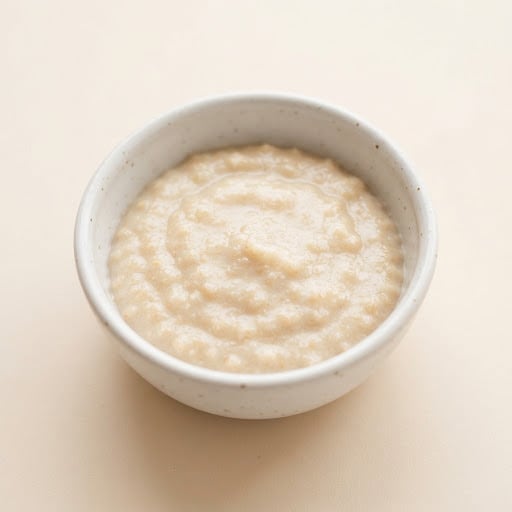
Mix iron-fortified infant oat cereal with breast milk, formula or water until smooth, then offer it on a spoon or pre-loaded spoon. Stir in smooth fruit or vegetable puree, or a little thinned peanut butter, for flavor and allergen practice.

7–8 months
Make oat cereal thicker and stir in fork-mashed fruit for a lumpier texture. It also works as a coating to make slippery soft foods like ripe banana or avocado pieces easier to grip.

9–12 months
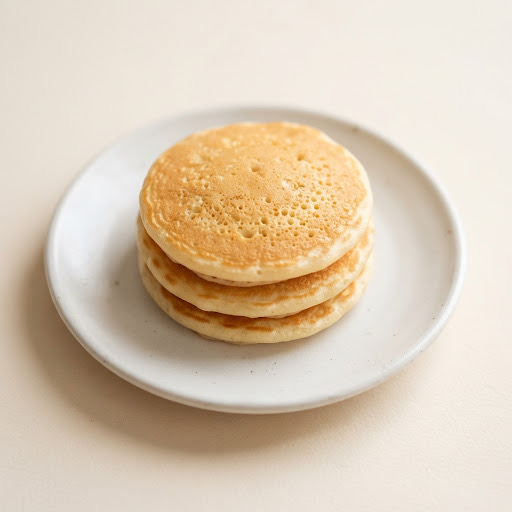
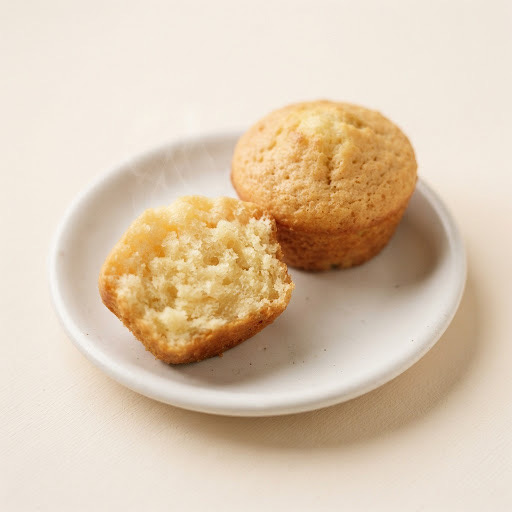
Make it thicker and use it in baby pancakes, oat fingers or muffins your baby can hold. Oat cereal also works as a coating to make slippery foods like banana or avocado easier to grip.

12 months +
Toddlers can eat oat cereal mixed into yogurt, oatmeal or baked goods for an iron boost. Most toddlers are ready for regular oatmeal, so infant cereal becomes optional.
Why it’s good
Infant oat cereal is fortified with iron and often zinc and B vitamins, nutrients babies need more of from 6 months. Oats also bring fiber, which helps keep stools soft. Serve it with vitamin C rich fruit like strawberries or mango to help absorb the iron.
Safety notes
- Use iron-fortified infant oat cereal made for babies, not adult instant oatmeal packets, which can have added sugar and salt.
- Do not put oat cereal in a bottle unless your pediatrician advises it.
- Check the label for wheat or other allergens if your baby has a known allergy, as some oat cereals are processed with wheat or contain other grains.
- Mix only what your baby will eat, and throw away leftovers that touched a used spoon.
A low-allergy food, still worth watching
Oats are not one of the Top 9 allergens, but oats are often processed in facilities with wheat, so check the label if your baby has a wheat allergy. Oats are also a known FPIES trigger in a small number of babies, which causes repeated vomiting a few hours after eating.
Oat cereal for babies: questions parents ask
Quick answers about oat cereal for babies and toddlers.
When can babies have oat cereal?
Babies can have oat cereal from about 6 months, once they are ready for solids. Iron-fortified infant oat cereal is a good everyday grain choice.
Can babies have oat cereal?
Yes, babies can eat iron-fortified infant oat cereal. Oat cereal is often recommended over rice cereal because it has less arsenic and more fiber.
Is oat cereal a choking hazard for babies?
Oat cereal is a low choking risk for babies when mixed into a smooth, spoonable texture. Avoid adding oat cereal to a bottle unless a doctor advises it.
Is oat cereal a common allergen?
No, oat cereal is not a common allergen, as oats are not one of the Top 9. Some oat cereals are made in facilities with wheat, so check labels if your baby has a wheat allergy.
How do I serve oat cereal to a 6 month old?
To serve oat cereal to a 6 month old, mix one to two tablespoons of iron-fortified oat cereal with breast milk, formula or water until thick. Offer oat cereal on a preloaded spoon or stir it into a fruit puree.
Is oat cereal better than rice cereal?
Oat cereal is often a better everyday choice than rice cereal because it has less arsenic and more fiber. Both are iron-fortified, so many parents rotate several grains.
Can oat cereal help with constipation?
Oat cereal can help with constipation in babies because it has more fiber than rice cereal. Mixing oat cereal with pureed prunes or pears and offering sips of water can help even more.
Can I use oat cereal in baking for my baby?
Yes, oat cereal works well in baby pancakes, muffins and soft oat bars. Baking with oat cereal adds iron to finger foods, but keep added sugar and salt out.
What is the difference between oat cereal and oatmeal?
Infant oat cereal is finely ground and fortified with iron, while regular oatmeal is rolled or steel cut oats with only natural iron. Oatmeal is a good food too, but infant oat cereal gives more iron per serving.
Can I put oatmeal cereal in my baby's bottle?
No, do not put oatmeal cereal in your baby's bottle unless your pediatrician advises it, usually for reflux. Cereal in a bottle can be a choking risk, adds extra calories and does not help babies sleep longer. Mix infant oat cereal with breast milk, formula or water and offer it from a spoon.
Is oatmeal cereal good for babies?
Yes, iron-fortified infant oat cereal is a great everyday grain for babies from about 6 months. It provides iron, which babies need more of at this age, plus fiber, and it is lower in arsenic than rice cereal. Mix it with breast milk, formula or water and stir in fruit or vegetable puree.
The takeaway
- Babies can have iron-fortified infant oat cereal from about 6 months, mixed with breast milk, formula or water.
- Mix iron-fortified infant oat cereal with breast milk, formula or water until smooth, then offer it on a spoon or pre-loaded spoon.
- Choking risk is low. Not a Top 9 allergen, but offer a small amount first and watch for any reaction.
Read next



Sources
This guide follows current advice from these organizations.
- Starting Solid Foods American Academy of Pediatrics (HealthyChildren.org)
- When, What, and How to Introduce Solid Foods Centers for Disease Control and Prevention
- Choking Hazards Centers for Disease Control and Prevention
- Foods and Drinks to Avoid or Limit Centers for Disease Control and Prevention
- What You Can Do to Limit Exposure to Arsenic U.S. Food and Drug Administration
- Iron Centers for Disease Control and Prevention
- Dietary Guidelines for Americans, 2020-2025 U.S. Department of Agriculture and HHS
Recipes with oat cereal



Track every new food in your baby’s passport
Track the first 100 foods and the Top 9 allergens. 7 days free.
More grains for babies

Updated November 2026. Reviewed by our dietitians. Based on AAP, CDC and NIAID guidance. Written for healthy, full-term babies; not a substitute for your pediatrician. If your baby was born early, has a medical condition, feeding difficulties or a known allergy, check with them first (medical disclaimer). Always stay with your baby while they eat.