
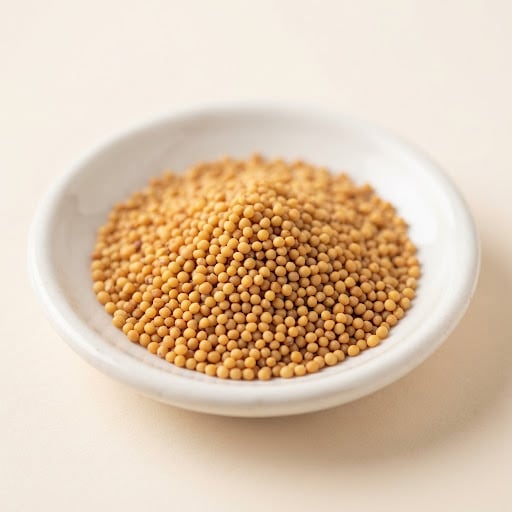
Herbs & spices Food Library
When can babies have mustard seeds?
Can babies have mustard seeds?
Babies can have mustard seed from about 6 months as a spice cooked into food, such as toasted seeds in dal or ground mustard in a sauce. Mustard seeds are tiny and are not a choking hazard when mixed into food in small amounts. Mustard is not a common allergen in the US, but it is a major allergen in Canada and Europe, so start small.
How to serve mustard seeds by age
Shapes and textures change as your baby’s grasp and chewing grow.

6 months
Stir a small pinch of ground mustard seed into smooth dal, mashed vegetables or blended rice, or cook a few seeds in oil until they pop and blend them into the dish. Keep the amount tiny at first since mustard is a regional allergen.

7–8 months
Cook a small pinch of mustard seeds in oil until they pop and stir them into lumpier dal, mashed vegetables or soft rice. Ground mustard seed can also be mixed into egg, lentils or a soft meat patty that squashes easily.

9–12 months
Keep using mustard seeds as a seasoning in family dishes like khichdi, curries and roasted vegetables. Small amounts mixed into food are best.

12 months +
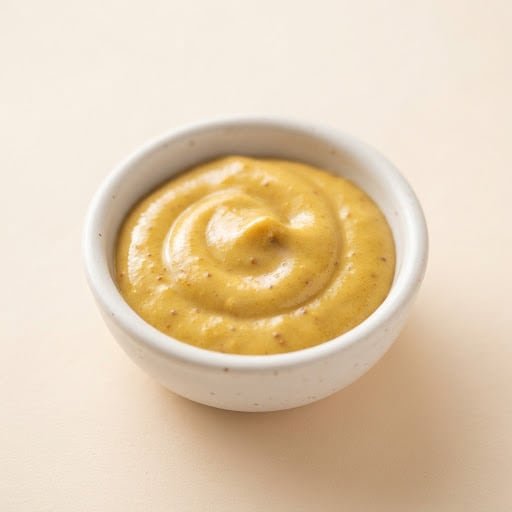
Toddlers can enjoy mustard seed in pickled vegetables (rinse briny pickles), curries, dressings and whole grain mustard. Keep salty pickles occasional.
Why it’s good
Mustard seeds contain selenium, magnesium, fiber and plant compounds, but babies eat such small amounts that they mainly add flavor. Cooking with spices like mustard seed helps babies accept a wide range of tastes and lets you season without salt.
Safety notes
- Use mustard seeds cooked into food in small amounts. Do not offer a spoonful of loose dry seeds.
- Toast seeds gently. Burnt mustard seeds turn bitter and can be harsh for babies.
- Prepared mustards and mustard pickles are salty; use whole or ground seed for less sodium.
- Mustard seed is a regional major allergen and can cause serious reactions. Offer a small amount first and keep offering if tolerated.
- Store whole and ground mustard seed in a sealed container away from moisture and out of toddler reach.
A low-allergy food, still worth watching
Mustard seed is not one of the US Top 9 allergens, but it is a priority allergen in Canada and the EU. Watch for hives, vomiting, swelling, coughing or wheezing after the first tastes, and ask your doctor first if your child has other seed or pollen allergies.
Mustard seeds for babies: questions parents ask
Quick answers about mustard seeds for babies and toddlers.
When can babies have mustard seeds?
Babies can have mustard seeds from about 6 months, cooked into food as a spice. A small pinch in dal, rice or vegetables is plenty.
Can babies have mustard seeds?
Yes, babies can eat mustard seeds in small amounts cooked into family dishes. Mustard seeds add flavor without adding salt.
Are mustard seeds a choking hazard for babies?
No, mustard seeds are a low choking risk for babies when they are mixed into soft foods in small amounts. Do not offer a pile of loose dry seeds on their own.
Are mustard seeds a common allergen?
Mustard seeds are not a common allergen in the US, but mustard is a major allergen in Canada and the European Union. Introduce mustard seeds in a small amount and watch for signs of a reaction.
How do I serve mustard seeds to a 6 month old?
To serve mustard seeds to a 6 month old, warm a pinch in a little oil until the seeds pop, then mix them into dal, mashed sweet potato or rice. Ground mustard can be stirred into eggs or lentils.
What is the difference between yellow, brown and black mustard seeds?
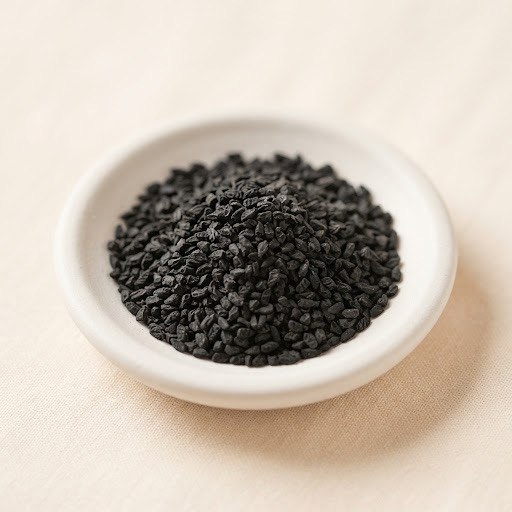
Yellow mustard seeds are the mildest, while brown and black mustard seeds are more pungent and are common in South Asian cooking. All types are fine for babies in small, cooked amounts.
Is ground mustard powder safe for babies?
Yes, ground mustard powder is safe for babies in small amounts mixed into cooked food. Mustard powder has very little sodium compared with prepared mustard.
Is mustard seed healthy for babies?
Mustard seed is a healthy way to add flavor to baby food without salt. The amounts babies eat are too small to add much nutrition, but they help build a love of varied flavors.
The takeaway
- Babies can have mustard seed from about 6 months as a spice cooked into food, such as toasted seeds in dal or ground mustard in a sauce.
- Stir a small pinch of ground mustard seed into smooth dal, mashed vegetables or blended rice, or cook a few seeds in oil until they pop and blend them into the dish.
- Choking risk is low. Not a Top 9 allergen, but offer a small amount first and watch for any reaction.
Read next


Sources
This guide follows current advice from these organizations.
- Starting Solid Foods American Academy of Pediatrics (HealthyChildren.org)
- When, What, and How to Introduce Solid Foods Centers for Disease Control and Prevention
- Choking Hazards Centers for Disease Control and Prevention
Track every new food in your baby’s passport
Track the first 100 foods and the Top 9 allergens. 7 days free.
More herbs and spices for babies
Updated November 2026. Reviewed by our dietitians. Based on AAP, CDC and NIAID guidance. Written for healthy, full-term babies; not a substitute for your pediatrician. If your baby was born early, has a medical condition, feeding difficulties or a known allergy, check with them first (medical disclaimer). Always stay with your baby while they eat.