
Herbs & spices Food Library
When can babies have nutritional yeast?
Can babies have nutritional yeast?
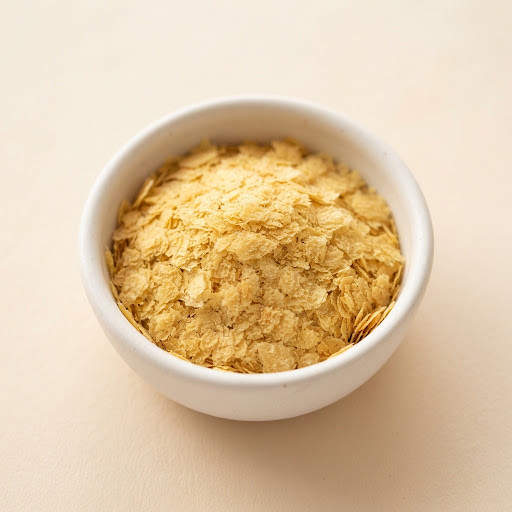
Babies can have nutritional yeast from about 6 months as a small sprinkle mixed into food. Nutritional yeast adds a savory, cheesy flavor and many brands are fortified with B vitamins, including B12. Choose a brand without added salt and stir it into moist foods rather than dusting it dry.
How to serve nutritional yeast by age
Shapes and textures change as your baby’s grasp and chewing grow.

6 months
Stir a small pinch, up to about half a teaspoon, of nutritional yeast into smooth foods like mashed potato, lentil puree, mashed avocado or a blended pasta sauce. Mixing it into moist food keeps the flakes from sticking to the mouth.

7–8 months
Keep stirring a pinch of nutritional yeast into lumpier mashes, soft scrambled eggs, lentils or soft pasta. You can also roll soft steamed vegetable pieces in a little nutritional yeast so they are easier to grip.

9–12 months
Sprinkle nutritional yeast into pasta, rice, roasted vegetables or tofu, or use it to coat soft finger foods like steamed broccoli florets so they are easier to grip.

12 months +
Toddlers can have nutritional yeast in cheesy-tasting sauces, on popcorn alternatives like puffed snacks, in soups and on toast. A teaspoon or so at a meal is plenty.
Why it’s good
Fortified nutritional yeast gives babies B vitamins, including B12, thiamine, riboflavin and folate, plus some protein, zinc and fiber. It is especially helpful for vegetarian and vegan families as a B12 source, but it should not be the only one. Check the label, since unfortified brands contain little B12.
Safety notes
- Mix nutritional yeast into moist foods. Dry flakes dusted on food can be inhaled or stick in the mouth and make babies cough.
- Some brands add salt or seasoning. Choose plain, unsalted nutritional yeast.
- Fortified brands are very high in some B vitamins, so stick to small amounts and avoid giving it alongside multiple fortified supplements without asking your pediatrician.
- Nutritional yeast can be made in facilities that process wheat or other allergens. Read the label if your baby has allergies.
- Nutritional yeast is high in fiber and can cause gas if your baby eats a lot, so start small.
A low-allergy food, still worth watching
Nutritional yeast is not a common allergen, but rare yeast allergies have been reported. Some products are processed with wheat, so check the label, and watch for hives, vomiting or swelling the first few times.
Nutritional yeast for babies: questions parents ask
Quick answers about nutritional yeast for babies and toddlers.
When can babies have nutritional yeast?
Babies can have nutritional yeast from about 6 months, as a small sprinkle mixed into their food. Choose a plain, unsalted nutritional yeast and start with a pinch.
Can babies have nutritional yeast?
Yes, babies can eat nutritional yeast in small amounts. Nutritional yeast adds flavor and, when fortified, provides vitamin B12 and other B vitamins.
Is nutritional yeast a choking hazard for babies?
Nutritional yeast is a low choking risk when mixed into moist food. Dry flakes can make babies cough if inhaled, so stir nutritional yeast in rather than dusting it on top.
Is nutritional yeast a common allergen?
No, nutritional yeast is not a common allergen. Some brands are made in facilities with wheat or other allergens, so read the label if your baby has food allergies.
How do I serve nutritional yeast to a 6 month old?
To serve nutritional yeast to a 6 month old, stir a small pinch into a smooth soft food like mashed potato, lentil puree or mashed avocado. Nutritional yeast gives a mild cheesy flavor that many babies enjoy.
Is nutritional yeast a good source of B12 for vegan babies?
Fortified nutritional yeast can help provide B12 for vegan babies, but amounts vary by brand and serving. Vegan and vegetarian families should talk to their pediatrician or dietitian about a reliable B12 supplement as well.
How much nutritional yeast can a baby have?
A baby only needs a small amount of nutritional yeast, about a pinch to half a teaspoon at a meal. Fortified nutritional yeast is concentrated in B vitamins, so more is not better.
Is nutritional yeast the same as baker's yeast?
No, nutritional yeast is deactivated and cannot make dough rise, while baker's yeast is active. Babies should not eat raw active baker's or brewer's yeast, but nutritional yeast is safe in small amounts.
The takeaway
- Babies can have nutritional yeast from about 6 months as a small sprinkle mixed into food.
- Stir a small pinch, up to about half a teaspoon, of nutritional yeast into smooth foods like mashed potato, lentil puree, mashed avocado or a blended pasta sauce.
- Choking risk is low. Not a Top 9 allergen, but offer a small amount first and watch for any reaction.
Read next


Sources
This guide follows current advice from these organizations.
- Starting Solid Foods American Academy of Pediatrics (HealthyChildren.org)
- When, What, and How to Introduce Solid Foods Centers for Disease Control and Prevention
- Choking Hazards Centers for Disease Control and Prevention
- Foods and Drinks to Avoid or Limit Centers for Disease Control and Prevention
Track every new food in your baby’s passport
Track the first 100 foods and the Top 9 allergens. 7 days free.
More herbs and spices for babies
Updated November 2026. Reviewed by our dietitians. Based on AAP, CDC and NIAID guidance. Written for healthy, full-term babies; not a substitute for your pediatrician. If your baby was born early, has a medical condition, feeding difficulties or a known allergy, check with them first (medical disclaimer). Always stay with your baby while they eat.