
Herbs & spices Food Library
When can babies have mustard?
Can babies have mustard?
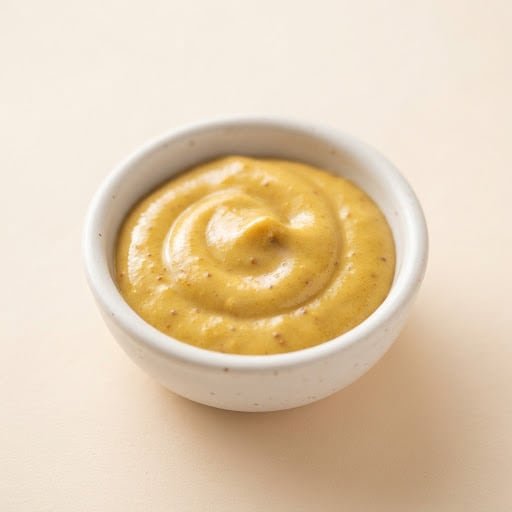
Babies can have a small amount of mustard from about 6 months as a flavoring mixed into food. Prepared mustard is fairly high in sodium, so use just a dab, and choose plain yellow or Dijon without added sugar or honey. Mustard is not a common allergen in the US but is a major allergen in Canada and Europe, so introduce it carefully.
How to serve mustard by age
Shapes and textures change as your baby’s grasp and chewing grow.

6 months
Stir a tiny dab of plain mustard, about the size of a pea, into a smooth food like mashed potato, blended chicken or plain yogurt and offer it on a spoon. Ground mustard powder in cooking is another low-sodium option.

7–8 months
Mix a tiny dab of plain mustard into lumpier foods like fork-mashed potato, minced meat, mashed egg or a yogurt dip. Soft meat patties seasoned with a little mustard powder that squash easily between your fingers also work.

9–12 months
Use a small amount of mustard to flavor dips, salmon cakes, roasted vegetables or shredded chicken. Keep it as a seasoning, not a sauce to eat by the spoonful.

12 months +
Toddlers can have a thin smear of mustard on sandwiches or a little to dip with. Keep portions small because of the sodium, and save honey mustard and very spicy mustards for later.
Why it’s good
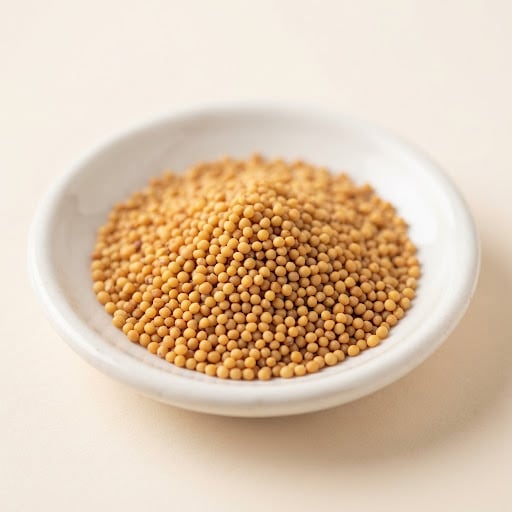
Mustard adds flavor rather than nutrition, since babies eat it in tiny amounts. Mustard seeds contain some selenium, magnesium and plant compounds, but prepared mustard is mostly vinegar, water and salt. Its tangy taste helps babies explore new flavors.
Safety notes
- Prepared mustard is fairly high in sodium. Use only a small dab, or use dry mustard powder, which has little sodium.
- No honey mustard before 12 months, since honey can cause infant botulism.
- Hot English mustard, wasabi-style and horseradish mustards can be harsh and irritating; start with mild yellow or Dijon.
- Whole grain mustard has seeds that are generally safe in small amounts, but spread it thinly for young babies.
- Do not let babies suck mustard straight from a squeeze bottle or packet.
A low-allergy food, still worth watching
Mustard is not one of the US Top 9 allergens, but it is a priority allergen in Canada and the EU and reactions can be serious. Offer a small amount the first time and watch for hives, vomiting, swelling, coughing or wheezing.
Mustard for babies: questions parents ask
Quick answers about mustard for babies and toddlers.
When can babies have mustard?
Babies can have mustard from about 6 months in small amounts, mixed into other foods as a seasoning. Choose plain mustard without honey or added sugar.
Can babies have mustard?
Yes, babies can eat a small amount of mustard. Prepared mustard is salty, so use only a dab to add flavor to foods like mashed potato or meat patties.
Is mustard a choking hazard for babies?
No, mustard is a low choking risk for babies because it is a smooth condiment. Foods served with mustard, like hot dogs or pretzels, can be choking hazards and need their own safe prep.
Is mustard a common allergen?
Mustard is not a common allergen in the US, but it is a major allergen in Canada and Europe. Mustard allergy can cause serious reactions, so offer a small amount first.
How do I serve mustard to a 6 month old?
To serve mustard to a 6 month old, mix a tiny dab of plain mustard into a smooth food like mashed potato, blended chicken or plain yogurt and offer it on a spoon. Avoid serving mustard on its own by the spoonful.
Can babies have honey mustard?
No, babies under 12 months should not have honey mustard because honey can cause infant botulism. After 12 months, honey mustard is fine in small amounts as an added sugar.
Is mustard too spicy for babies?
Plain yellow mustard is mild and tangy, and most babies tolerate a small amount well. Hot English mustard and spicy brown mustards are stronger, so introduce them later and in tiny amounts.
How much sodium is in mustard?
Prepared mustard has a fair amount of sodium per teaspoon, so it adds up quickly for a baby. Use a small dab, or cook with dry mustard powder, which has very little sodium.
The takeaway
- Babies can have a small amount of mustard from about 6 months as a flavoring mixed into food.
- Stir a tiny dab of plain mustard, about the size of a pea, into a smooth food like mashed potato, blended chicken or plain yogurt and offer it on a spoon.
- Choking risk is low. Not a Top 9 allergen, but offer a small amount first and watch for any reaction.
Read next


Sources
This guide follows current advice from these organizations.
- Starting Solid Foods American Academy of Pediatrics (HealthyChildren.org)
- When, What, and How to Introduce Solid Foods Centers for Disease Control and Prevention
- Choking Hazards Centers for Disease Control and Prevention
- Foods and Drinks to Avoid or Limit Centers for Disease Control and Prevention
- Dietary Guidelines for Americans, 2020-2025 U.S. Department of Agriculture and HHS
- Botulism Prevention Centers for Disease Control and Prevention
Track every new food in your baby’s passport
Track the first 100 foods and the Top 9 allergens. 7 days free.
More herbs and spices for babies
Updated November 2026. Reviewed by our dietitians. Based on AAP, CDC and NIAID guidance. Written for healthy, full-term babies; not a substitute for your pediatrician. If your baby was born early, has a medical condition, feeding difficulties or a known allergy, check with them first (medical disclaimer). Always stay with your baby while they eat.