
Herbs & spices Food Library
When can babies have mace?
Can babies have mace?
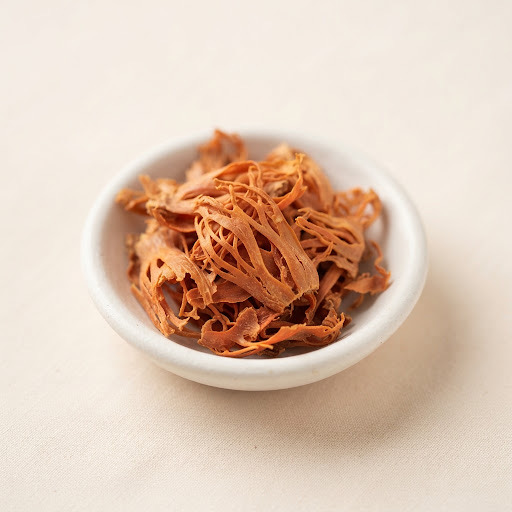
Babies can have a small pinch of ground mace from about 6 months, cooked into foods. Ground mace is a low choking risk, but whole mace blades are firm and should be removed before serving. Mace is a strong spice, so a tiny amount is all that is needed.
How to serve mace by age
Shapes and textures change as your baby’s grasp and chewing grow.

6 months
Add a tiny pinch of ground mace to smooth purees of sweet potato, squash or apple, or to iron-fortified oatmeal, while cooking. Start with less than you would use for adults.

7–8 months
Keep adding a tiny pinch of ground mace to lumpier mashes and thick porridge, or to soft cooked squash or pear pieces your baby can hold. If you cook with whole mace blades, fish them out before serving.

9–12 months
Use a pinch of ground mace in baked goods, soups, stews or egg dishes. If you cook with whole mace blades, fish them out before serving.

12 months +
Toddlers can enjoy mace in family meals like spiced muffins, white sauces and soups. Keep amounts small and remove whole blades.
Why it’s good
Mace adds warm, gentle flavor without salt or sugar, which helps babies learn to enjoy a variety of tastes. The small amounts used in cooking do not add meaningful nutrition.
Safety notes
- Whole mace blades are firm and hard to chew. Remove them from dishes before serving to babies and toddlers.
- Use only small pinches. Like nutmeg, mace contains myristicin, which can cause illness when eaten in large amounts.
- Keep jars of mace and nutmeg out of reach so little ones cannot eat spoonfuls.
- Spice blends with mace may also contain salt or sugar. Choose pure ground mace.
A low-allergy food, still worth watching
Mace is not a common food allergen, though rare spice allergies have been reported. Start with a small amount mixed into a familiar food and watch for hives or swelling.
Mace for babies: questions parents ask
Quick answers about mace for babies and toddlers.
When can babies have mace?
Babies can have a small pinch of ground mace from about 6 months, cooked into foods like vegetables, oatmeal or applesauce. Whole mace blades should be removed before serving.
Can babies have mace?
Yes, babies can eat ground mace in small amounts as a seasoning. Mace adds warm, sweet flavor without salt or sugar.
Is mace a choking hazard for babies?
Ground mace is a low choking risk for babies when mixed into food, but whole mace blades are firm and can be a choking hazard. Always remove whole blades and stay with your baby during meals.
Is mace a common allergen?
No, mace is not a common allergen and is not one of the Top 9 food allergens. Spice allergies are rare, but start with a small amount of mace and watch for reactions.
How do I serve mace to a 6 month old?
To serve mace to a 6 month old, stir a tiny pinch of ground mace into a warm food like mashed squash, sweet potato or oatmeal. Use less than you would for adults.
Is mace the same as nutmeg?
Mace and nutmeg come from the same fruit. Nutmeg is the seed, and mace is the lacy red covering around the seed, with a slightly milder, more delicate flavor.
Can babies have whole mace blades?
No, babies should not eat whole mace blades because they are firm and hard to chew. Cook with whole blades for flavor if you like, then remove them before serving.
Is mace safe for babies in large amounts?
Mace is safe for babies only in the small amounts used for seasoning. Large amounts of mace or nutmeg can cause nausea and other symptoms, so use a pinch and store the jar out of reach.
The takeaway
- Babies can have a small pinch of ground mace from about 6 months, cooked into foods.
- Add a tiny pinch of ground mace to smooth purees of sweet potato, squash or apple, or to iron-fortified oatmeal, while cooking.
- Choking risk is medium. Not a Top 9 allergen, but offer a small amount first and watch for any reaction.
Read next



Sources
This guide follows current advice from these organizations.
- Starting Solid Foods American Academy of Pediatrics (HealthyChildren.org)
- When, What, and How to Introduce Solid Foods Centers for Disease Control and Prevention
- Choking Hazards Centers for Disease Control and Prevention
- Choking Prevention American Academy of Pediatrics (HealthyChildren.org)
Track every new food in your baby’s passport
Track the first 100 foods and the Top 9 allergens. 7 days free.
More herbs and spices for babies
Updated November 2026. Reviewed by our dietitians. Based on AAP, CDC and NIAID guidance. Written for healthy, full-term babies; not a substitute for your pediatrician. If your baby was born early, has a medical condition, feeding difficulties or a known allergy, check with them first (medical disclaimer). Always stay with your baby while they eat.