
Veggies Food Library
When can babies have fiddlehead ferns?
Can babies have fiddlehead ferns?
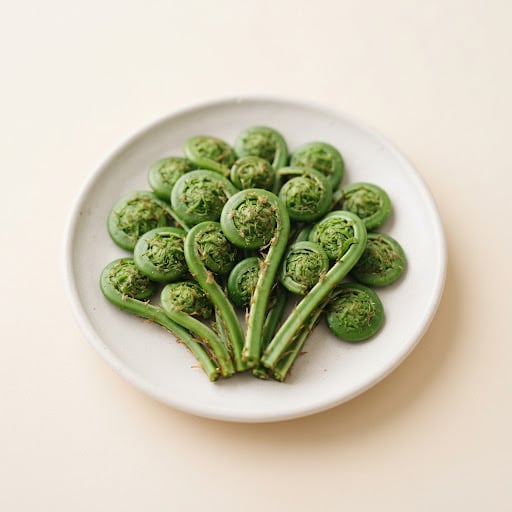
Babies can have fiddlehead ferns from about 6 months, but only when they are thoroughly cooked. Raw or undercooked fiddleheads have caused food poisoning, so boil them for about 15 minutes or steam them for 10 to 12 minutes. Once soft, they can be mashed or chopped for babies.
How to serve fiddlehead ferns by age
Shapes and textures change as your baby’s grasp and chewing grow.

6 months
Clean the fiddleheads, then boil them for about 15 minutes or steam for 10 to 12 minutes until very soft. Blend them until smooth and stir the puree into mashed potato or another smooth puree, then offer it on a spoon.

7–8 months
Chop thoroughly cooked fiddleheads finely or fork-mash them into potatoes, eggs or risotto for a lumpier texture. Fiddleheads stay a little firm even after full cooking, so skip whole coils to gnaw at this age.

9–12 months
Cut thoroughly cooked fiddleheads into small, bite-size pieces for pincer practice. Toss them with a little butter or olive oil so they are easier to pick up.

12 months +
Toddlers can have thoroughly cooked fiddleheads chopped or whole in pasta, omelets, soups and sautes. Keep following the full cooking time; quick-sauteed fiddleheads are not safe at any age.
Why it’s good
Fiddlehead ferns give babies vitamin A, vitamin C, potassium and fiber, plus some iron, manganese and omega-3 fats. They are a seasonal spring green with a flavor like asparagus or green beans. Their iron content is modest, so pair them with meat, eggs or beans.
Safety notes
- Never serve raw or lightly cooked fiddleheads. Boil fresh fiddleheads in plenty of water for about 15 minutes or steam them for 10 to 12 minutes, and throw out the cooking water.
- Clean fiddleheads well before cooking: rub off the brown papery scales and wash them in several changes of cold water.
- Only eat fiddleheads from the ostrich fern bought from a trusted seller. Many ferns look similar and some are toxic, so do not forage for babies.
- Fiddleheads that are brown, slimy or opened out into leaves should be thrown away. Keep fresh ones refrigerated and use within a few days.
- If anyone has nausea, vomiting, diarrhea or stomach cramps after eating fiddleheads, contact your doctor.
A low-allergy food, still worth watching
Fiddlehead ferns are not a common allergen. As with any new food, start with a small amount and watch for hives, swelling or vomiting, and remember that stomach upset from undercooked fiddleheads is food poisoning, not an allergy.
Fiddlehead ferns for babies: questions parents ask
Quick answers about fiddlehead ferns for babies and toddlers.
When can babies have fiddlehead ferns?
Babies can have fiddlehead ferns from about 6 months of age, as long as they are cleaned and fully cooked. Fiddlehead ferns need about 15 minutes of boiling or 10 to 12 minutes of steaming to be safe.
Can babies have fiddlehead ferns?
Yes, babies can eat fiddlehead ferns that have been thoroughly cooked until soft. Fiddlehead ferns are a nutritious spring vegetable, but raw or undercooked fiddleheads can cause food poisoning.
Are fiddlehead ferns a choking hazard for babies?
Fiddlehead ferns are a low choking risk when they are fully cooked until soft and chopped finely or into small pieces. Undercooked fiddleheads are firm, so cook them well and stay with your baby while eating.
Are fiddlehead ferns a common allergen?
No, fiddlehead ferns are not a common allergen. Introduce a small amount the first time and watch for signs of an allergic reaction.
How do I serve fiddlehead ferns to a 6 month old?
To serve fiddlehead ferns to a 6 month old, clean them, boil them for about 15 minutes until very soft, then blend them and stir the puree into a smooth food like mashed potato. Offer it on a spoon. Finely chopped fiddleheads in lumpier mashes can follow at 7–8 months.
Why do fiddlehead ferns need to be cooked so long?
Fiddlehead ferns need long cooking because raw and undercooked fiddleheads have caused outbreaks of food poisoning, likely from a natural toxin in the fern. Health agencies advise boiling fiddleheads for about 15 minutes or steaming them for 10 to 12 minutes and discarding the water.
How do I clean fiddlehead ferns?
To clean fiddlehead ferns, remove the brown papery husk by rubbing or shaking them, trim the cut ends and wash them in several changes of cold water until the water is clear. Then cook them fully before serving.
Can babies have frozen or pickled fiddleheads?
Frozen fiddleheads should still be boiled or steamed for the full cooking time before serving to babies. Pickled fiddleheads are often high in salt and vinegar, so skip them for babies and offer only small amounts to toddlers.
What do fiddlehead ferns taste like?
Fiddlehead ferns taste a bit like asparagus or green beans with a mild grassy flavor. Babies who enjoy green vegetables usually accept fiddlehead ferns easily, especially with a little butter or olive oil.
The takeaway
- Babies can have fiddlehead ferns from about 6 months, but only when they are thoroughly cooked.
- Clean the fiddleheads, then boil them for about 15 minutes or steam for 10 to 12 minutes until very soft.
- Choking risk is low. Not a Top 9 allergen, but offer a small amount first and watch for any reaction.
Read next



Sources
This guide follows current advice from these organizations.
- Starting Solid Foods American Academy of Pediatrics (HealthyChildren.org)
- When, What, and How to Introduce Solid Foods Centers for Disease Control and Prevention
- Choking Hazards Centers for Disease Control and Prevention
Track every new food in your baby’s passport
Track the first 100 foods and the Top 9 allergens. 7 days free.
More vegetables for babies

Updated November 2026. Reviewed by our dietitians. Based on AAP, CDC and NIAID guidance. Written for healthy, full-term babies; not a substitute for your pediatrician. If your baby was born early, has a medical condition, feeding difficulties or a known allergy, check with them first (medical disclaimer). Always stay with your baby while they eat.