
Fruit Food Library
When can babies have goji berries?
Can babies have goji berries?
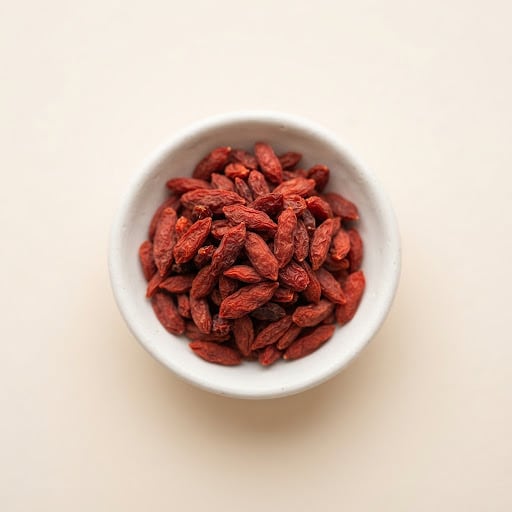
Babies can have goji berries from about 6 months, but only when soaked or cooked and then chopped or mashed. Whole dried goji berries are small, firm and chewy, so they are a choking hazard for young children. Goji berries are not a common allergen, though they belong to the nightshade family.
How to serve goji berries by age
Shapes and textures change as your baby’s grasp and chewing grow.

6 months
Soak dried goji berries in hot water for 10 to 15 minutes until plump and soft, then blend them until completely smooth into oatmeal, yogurt or applesauce. Do not serve whole dried berries.

7–8 months
Mash soaked goji berries more roughly or chop them very finely and stir them into thicker oatmeal, yogurt or mashed fruit. Keep them always plumped, never dry, and never whole.

9–12 months
Finely chop soaked goji berries and stir them into soft foods, or bake them into muffins and soft pancakes. Keep pieces small and always plumped, never dry.

12 months +
Toddlers can have soaked, chopped goji berries in oatmeal, yogurt and baked goods. Wait on whole dried goji berries until your child chews well, closer to age 3 or later, and offer them seated.
Why it’s good
Goji berries provide vitamin A (from carotenoids such as zeaxanthin), vitamin C, fiber and some plant antioxidants. They offer a small amount of iron, but not enough to count as an iron-rich food. Dried goji berries are concentrated, so a small amount is plenty.
Safety notes
- Whole dried goji berries are a choking hazard. Always soak them until soft, then mash or chop finely for babies and young toddlers.
- Some dried goji berries contain added sugar or sulfites. Choose plain, unsweetened, sulfite-free goji berries.
- Skip goji berry juice before 12 months, and keep any juice very limited afterward, as pediatric guidance advises.
- Goji berries can interact with some medicines, such as blood thinners. This rarely matters for babies, but check with your pediatrician if your child takes daily medication.
- Avoid goji supplements, powders and extracts for babies and toddlers; whole food amounts are enough.
A low-allergy food, still worth watching
Goji berries are not a common allergen. Reactions are rare and occur more often in people sensitive to other nightshades or with certain pollen or peach allergies, so offer a small amount first and watch for hives, itchy mouth or swelling.
Goji berries for babies: questions parents ask
Quick answers about goji berries for babies and toddlers.
When can babies have goji berries?
Babies can have goji berries from about 6 months, as long as they are soaked until soft and then mashed or finely chopped. Whole dried goji berries are not safe for babies.
Can babies have goji berries?
Yes, babies can eat goji berries in small amounts when the berries are rehydrated and mashed into other foods. Choose plain goji berries without added sugar or sulfites.
Are goji berries a choking hazard for babies?
Yes, goji berries are a choking hazard for babies when served whole and dried. Goji berries are small, firm and chewy, so soak them until plump and then mash or chop them before serving.
Are goji berries a common allergen?
No, goji berries are not a common allergen. Goji berries are in the nightshade family with tomatoes and peppers, and reactions are rare, but start with a small amount.
How do I serve goji berries to a 6 month old?
To serve goji berries to a 6 month old, soak a few dried goji berries in hot water until soft, then blend them until smooth into oatmeal, yogurt or a fruit puree. Never offer whole dried goji berries.
Can babies have goji berry juice?
No, babies under 12 months should not have goji berry juice, as pediatric guidance advises no juice in the first year. After 12 months, whole goji berries in food are a better choice than juice.
Are goji berries a superfood for babies?
Goji berries are a nutritious fruit, but they are not more important for babies than everyday fruits like berries, mango or oranges. Goji berries can add variety and color, but they are not needed in a baby's diet.
Can goji berries help with constipation in babies?
Goji berries contain fiber, so small amounts of soaked, mashed goji berries may help soften stools. Pair goji berries with water and other high-fiber foods like prunes, pears or oats.
The takeaway
- Babies can have goji berries from about 6 months, but only when soaked or cooked and then chopped or mashed.
- Soak dried goji berries in hot water for 10 to 15 minutes until plump and soft, then blend them until completely smooth into oatmeal, yogurt or applesauce.
- Choking risk is high. Not a Top 9 allergen, but offer a small amount first and watch for any reaction.
Read next



Sources
This guide follows current advice from these organizations.
- Starting Solid Foods American Academy of Pediatrics (HealthyChildren.org)
- When, What, and How to Introduce Solid Foods Centers for Disease Control and Prevention
- Choking Hazards Centers for Disease Control and Prevention
- Choking Prevention American Academy of Pediatrics (HealthyChildren.org)
- Foods and Drinks to Avoid or Limit Centers for Disease Control and Prevention
- Dietary Guidelines for Americans, 2020-2025 U.S. Department of Agriculture and HHS
Track every new food in your baby’s passport
Track the first 100 foods and the Top 9 allergens. 7 days free.
More fruit for babies
Updated November 2026. Reviewed by our dietitians. Based on AAP, CDC and NIAID guidance. Written for healthy, full-term babies; not a substitute for your pediatrician. If your baby was born early, has a medical condition, feeding difficulties or a known allergy, check with them first (medical disclaimer). Always stay with your baby while they eat.