
Fruit Food Library
When can babies have goldenberries?
Can babies have goldenberries?
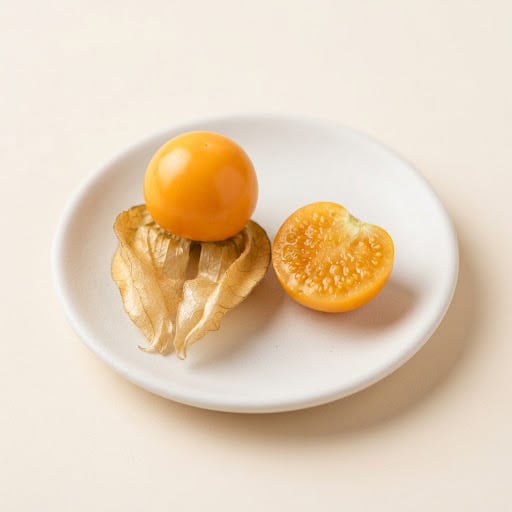
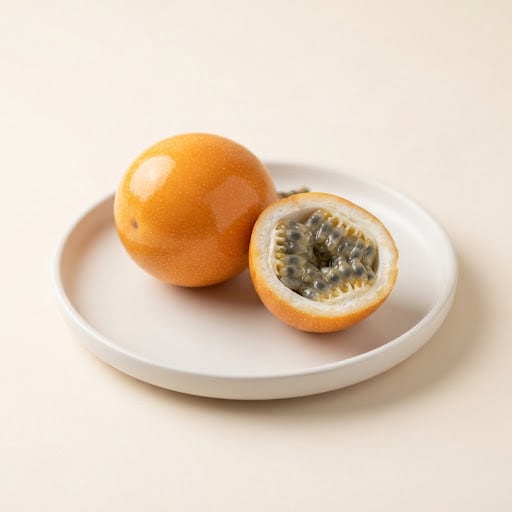
Babies can have ripe goldenberries (also called uchuva, cape gooseberries or physalis) from about 6 months, mashed smooth at first and quartered and flattened from about 7–8 months. Whole goldenberries are round, firm and slippery like a cherry tomato, so they are a high choking hazard. Always remove the papery husk and serve only fully ripe, golden-orange fruit.
How to serve goldenberries by age
Shapes and textures change as your baby’s grasp and chewing grow.

6 months
Remove the husk, rinse, and mash ripe goldenberries very well with a fork or blend them smooth, pressing out any tough skins. Stir the puree into yogurt, oatmeal or ricotta and offer it on a spoon.

7–8 months
Mash ripe goldenberries more roughly and stir them into yogurt, oatmeal or ricotta, or quarter each berry lengthwise and flatten every piece before putting it on the tray. Never offer a whole berry.

9–12 months
Cut ripe goldenberries into small pieces, about a quarter of a berry each, for pincer-grasp practice. Keep flattening or quartering every berry.

12 months +
Toddlers can have goldenberries cut into quarters or halves on yogurt, salads and cereal. Keep quartering them until your child chews well, usually after age 4, as you would with grapes or cherry tomatoes.
Why it’s good
Goldenberries provide vitamin C, vitamin A from beta-carotene, fiber and some B vitamins. Their sweet-tart taste helps babies explore sour flavors. Goldenberries contain only a little iron, but their vitamin C helps the body absorb iron from foods eaten in the same meal.
Safety notes
- Never serve whole goldenberries to babies or toddlers. Their round, firm, slippery shape can block the airway, so quarter or mash every berry.
- Remove and throw away the papery husk, leaves and stem. These parts are not edible.
- Only serve fully ripe, golden-orange berries. Unripe green goldenberries contain natural compounds that can upset the stomach.
- Dried goldenberries are firm and chewy; soak and chop them finely, or skip them until your child chews well.
- Rinse berries well before serving, since the husk can trap dirt and a sticky coating.
A low-allergy food, still worth watching
Goldenberries are not a common allergen, though they are in the nightshade family with tomatoes. Offer a small amount the first time and watch for a rash around the mouth, hives or vomiting.
Goldenberries for babies: questions parents ask
Quick answers about goldenberries for babies and toddlers.
When can babies have goldenberries?
Babies can have goldenberries from about 6 months, as long as the berries are ripe, husked and mashed, with quartered and flattened pieces from about 7–8 months. Whole goldenberries are a choking hazard.
Can babies have goldenberries?
Yes, babies can eat ripe goldenberries, also called uchuva or cape gooseberries, when they are mashed or quartered. Remove the husk and avoid green, unripe berries.
Are goldenberries a choking hazard for babies?
Yes, goldenberries are a high choking hazard for babies when served whole. Goldenberries are round, firm and slippery, similar to a grape, so always quarter or mash them.
Are goldenberries a common allergen?
No, goldenberries are not a common allergen. Reactions are uncommon, but offer a small amount first and watch for signs of a reaction.
How do I serve goldenberries to a 6 month old?
To serve goldenberries to a 6 month old, peel off the husk, rinse the berries and mash them well or blend them smooth. Mix the mash into yogurt or oatmeal if your baby finds it too sour, and offer it on a spoon. Quartered, flattened pieces can follow at 7–8 months.
Can goldenberries help babies poop?
Goldenberries contain fiber and water, so they may help soften stools in babies who are a little constipated. Offer goldenberries with other high-fiber foods and water.
Are goldenberries the same as gooseberries?
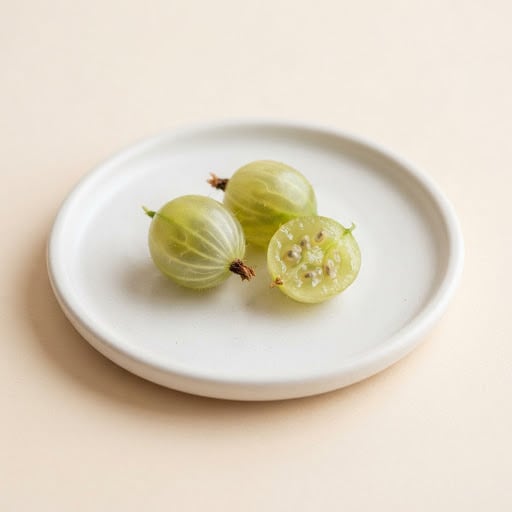
No, goldenberries are not the same as gooseberries, even though goldenberries are sometimes called cape gooseberries. Goldenberries grow in a papery husk and are related to tomatillos, while gooseberries grow on a bush related to currants.
How do I know if goldenberries are ripe?
Ripe goldenberries are golden-orange, slightly soft and sweet-tart, with a dry, papery husk. Green or pale yellow goldenberries are unripe and should not be given to babies.
Can babies have dried goldenberries?
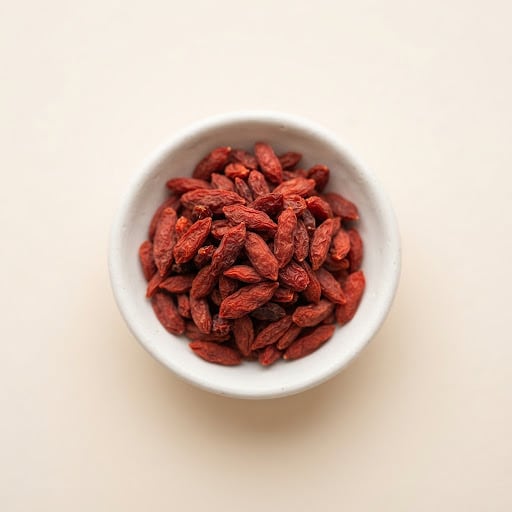
Babies can have dried goldenberries only if they are soaked until soft and finely chopped or blended. Whole dried goldenberries are firm and chewy, so they are a choking risk for babies and toddlers.
The takeaway
- Babies can have ripe goldenberries (also called uchuva, cape gooseberries or physalis) from about 6 months, mashed smooth at first and quartered and flattened from about 7–8 months.
- Remove the husk, rinse, and mash ripe goldenberries very well with a fork or blend them smooth, pressing out any tough skins.
- Choking risk is high. Not a Top 9 allergen, but offer a small amount first and watch for any reaction.
Read next


Sources
This guide follows current advice from these organizations.
- Starting Solid Foods American Academy of Pediatrics (HealthyChildren.org)
- When, What, and How to Introduce Solid Foods Centers for Disease Control and Prevention
- Choking Hazards Centers for Disease Control and Prevention
- Choking Prevention American Academy of Pediatrics (HealthyChildren.org)
Track every new food in your baby’s passport
Track the first 100 foods and the Top 9 allergens. 7 days free.
More fruit for babies
Updated November 2026. Reviewed by our dietitians. Based on AAP, CDC and NIAID guidance. Written for healthy, full-term babies; not a substitute for your pediatrician. If your baby was born early, has a medical condition, feeding difficulties or a known allergy, check with them first (medical disclaimer). Always stay with your baby while they eat.