
Dairy Food Library
When can babies have ghee?
Can babies have ghee?
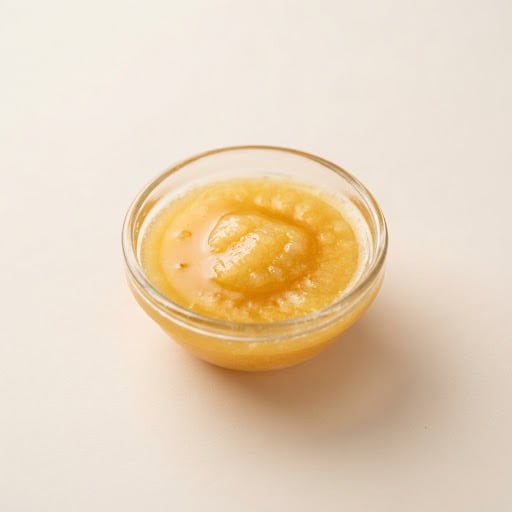
Babies can have ghee from about 6 months, used as a cooking fat or stirred into food in small amounts. Ghee is clarified butter, so most milk protein is removed, but traces remain and ghee is still treated as a dairy allergen. A little ghee adds rich flavor and energy to vegetables, grains and lentils.
How to serve ghee by age
Shapes and textures change as your baby’s grasp and chewing grow.

6 months
Stir a small amount of ghee, about a quarter teaspoon, into warm smooth purees like mashed sweet potato, blended lentils or smooth porridge, and offer it on a spoon.

7–8 months
Keep stirring a little ghee into lumpier mashes, lentils or porridge. You can also roast or saute vegetables in ghee until very soft and offer them as finger-length pieces that squash easily.

9–12 months
Use ghee to cook scrambled eggs, flatbreads, rice and vegetables for the family, and serve your baby small soft pieces. Spread a thin layer on toast strips.

12 months +
Toddlers can enjoy ghee in family dishes like dal, roti, roasted vegetables and rice. Keep it as one of several fats, along with olive oil, avocado and nut butters.
Why it’s good
Ghee is a concentrated source of fat and calories, which growing babies need for energy and brain development. Ghee also contains fat-soluble vitamins A and E in small amounts. Ghee is high in saturated fat, so use it alongside other fats rather than as the only one.
Safety notes
- Ghee still contains traces of milk protein. If your baby has a known milk allergy, ask your pediatrician or allergist before offering ghee.
- Use small amounts. Ghee is very rich, and too much fat at once can cause loose stools or crowd out other foods.
- Let foods cooked in ghee cool before serving. Hot ghee and oil can cause burns.
- Choose plain ghee without added salt, and store it sealed in a cool, dark place or the fridge.
- Do not use ghee as a home remedy for constipation, colic or skin issues without talking to your pediatrician.
Introduce ghee on its own, then keep it in
Ghee is made from butter, so it is considered a dairy allergen even though most milk protein is removed. Babies with a milk allergy can still react to the traces, so introduce ghee carefully and watch for hives, vomiting, swelling or wheezing.
Ghee for babies: questions parents ask
Quick answers about ghee for babies and toddlers.
When can babies have ghee?
Babies can have ghee from about 6 months, used in small amounts in cooking or stirred into food. Ghee is a traditional first food fat in many families.
Can babies have ghee?
Yes, babies can eat ghee in small amounts as part of a varied diet. Ghee adds energy and flavor to vegetables, grains and lentils.
Is ghee a choking hazard for babies?
Ghee is not a choking hazard on its own because it is a fat that melts in the mouth. The foods you cook with ghee should still be served in a size and texture safe for your baby's age.
Is ghee a common allergen?
Yes, ghee is considered a common allergen because it is made from milk. Ghee has very little milk protein left, but babies with a milk allergy can still react.
How do I serve ghee to a 6 month old?
To serve ghee to a 6 month old, melt about a quarter teaspoon into warm mashed sweet potato, smooth lentils or oatmeal and offer it on a spoon. Soft vegetable spears roasted in ghee can follow at 7–8 months.
How much ghee can a baby have?
A baby only needs a small amount of ghee, such as a quarter to half teaspoon in a meal. Use ghee alongside other healthy fats like olive oil and avocado rather than in large amounts.
Is ghee safe for babies with a milk allergy?
Ghee is not guaranteed safe for babies with a milk allergy because it can contain traces of milk protein. Talk to your pediatrician or allergist before giving ghee to a baby with a known milk allergy.
Is ghee better than butter for babies?
Ghee and butter are both fine for babies in small amounts. Ghee has less milk protein and lactose and handles high heat better, while unsalted butter is easier to find.
Does ghee help with constipation in babies?
There is no strong evidence that ghee relieves constipation in babies. Water, fruits like pears and prunes, and fiber-rich foods are better choices, and talk to your pediatrician if constipation continues.
Is ghee good for babies?
Yes, ghee is fine for babies from about 6 months in small amounts, such as a quarter teaspoon stirred into warm purees, lentils or porridge. It adds energy and flavor, but it is high in saturated fat, so use it alongside other fats like olive oil and avocado. Ghee is still a dairy allergen.
The takeaway
- Babies can have ghee from about 6 months, used as a cooking fat or stirred into food in small amounts.
- Stir a small amount of ghee, about a quarter teaspoon, into warm smooth purees like mashed sweet potato, blended lentils or smooth porridge, and offer it on a spoon.
- Choking risk is low. Dairy is one of the Top 9 allergens: offer a small amount first, watch for a reaction, then keep it in the diet regularly.
Read next



Sources
This guide follows current advice from these organizations.
- Starting Solid Foods American Academy of Pediatrics (HealthyChildren.org)
- When, What, and How to Introduce Solid Foods Centers for Disease Control and Prevention
- Choking Hazards Centers for Disease Control and Prevention
- Foods and Drinks to Avoid or Limit Centers for Disease Control and Prevention
- The Effects of Early Nutritional Interventions on the Development of Atopic Disease in Infants and Children Greer FR, Sicherer SH, Burks AW; American Academy of Pediatrics. Pediatrics. 2019;143(4):e20190281
Track every new food in your baby’s passport
Track the first 100 foods and the Top 9 allergens. 7 days free.
More dairy foods for babies
Updated November 2026. Reviewed by our dietitians. Based on AAP, CDC and NIAID guidance. Written for healthy, full-term babies; not a substitute for your pediatrician. If your baby was born early, has a medical condition, feeding difficulties or a known allergy, check with them first (medical disclaimer). Always stay with your baby while they eat.