
Fruit Food Library
When can babies have barberries?
Can babies have barberries?
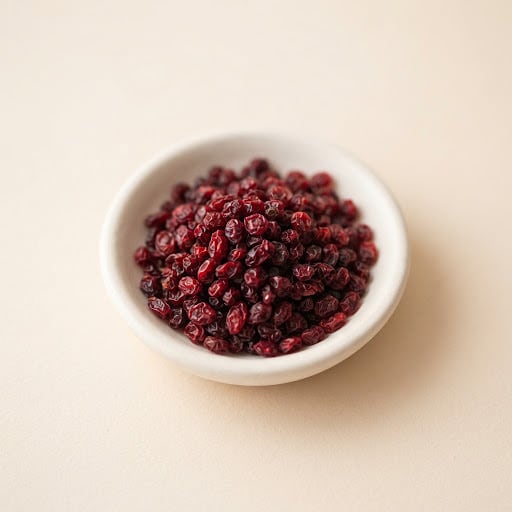
Babies can have barberries from 6 months when they are cooked soft and finely chopped or mashed into other foods. Barberries are tiny, firm and very tart, and dried barberries are small and chewy like raisins, so they are a choking risk if served whole. Barberry supplements and teas made from the root or bark are not for babies.
How to serve barberries by age
Shapes and textures change as your baby’s grasp and chewing grow.

6 months
Rinse dried barberries, then simmer them in water until plump and very soft. Blend or mash them smooth and stir a small pinch into iron-fortified cereal, yogurt or a vegetable puree, offered on a spoon. Their sourness can be strong, so start small.

7–8 months
Mash softened barberries more roughly or chop them very finely, and stir them into mashed rice, porridge, yogurt or lentils for a lumpier texture. You can also mix chopped softened barberries into soft meatballs that fall apart easily when pressed.

9–12 months
Offer softened, chopped barberries mixed into rice, couscous or lentils, or scattered over soft scrambled egg. Pieces should be tiny and squishy, not whole and chewy.

12 months +
Toddlers can have softened barberries in family dishes like Persian jeweled rice or chicken and rice. Continue to soften dried berries first, and avoid giving handfuls of dry, whole barberries as a snack.
Why it’s good
Barberries are rich in vitamin C and give a little fiber and plant compounds. Barberries are used in small amounts, so they add flavor and color more than major nutrition. The vitamin C can help your baby absorb iron from foods like lentils, beans and meat served at the same meal.
Safety notes
- Whole fresh or dried barberries are small, firm and round, so they are a choking hazard. Soften and chop or mash them before serving.
- Rinse dried barberries well and pick out any stems or grit; some packs contain small debris.
- Do not give barberry supplements, extracts or teas made from barberry root or bark. These contain concentrated berberine, which is not considered safe for infants.
- Only serve culinary barberries sold for eating. Do not let children eat berries from ornamental barberry shrubs in gardens.
- Avoid sugary barberry juices and syrups before 12 months, and keep them rare after that.
A low-allergy food, still worth watching
Barberry is not a common food allergen, and reactions are rare. Offer a small amount at first and watch for hives, rash, vomiting or swelling.
Barberries for babies: questions parents ask
Quick answers about barberries for babies and toddlers.
When can babies have barberries?
Babies can have barberries from 6 months, as long as the berries are softened and chopped or mashed. Barberries are tart and tiny, so they work best mixed into other foods.
Can babies have barberries?
Yes, babies can eat barberries in small amounts as part of family meals. Soak or simmer dried barberries until soft, chop them, and mix them into rice, porridge or yogurt.
Are barberries a choking hazard for babies?
Yes, barberries are a choking hazard for babies when served whole, especially dried ones that are firm and chewy like raisins. Softening and finely chopping or mashing barberries lowers the risk.
Are barberries a common allergen?
No, barberries are not a common food allergen. Allergic reactions are uncommon, but introduce barberries in a small amount and watch for any reaction.
How do I serve barberries to a 6 month old?
To serve barberries to a 6 month old, rinse dried berries, simmer them in water until plump and soft, then blend or mash them smooth. Stir a small spoonful into oatmeal, iron-fortified cereal or plain yogurt and offer it on a spoon.
Are barberries healthy for babies?
Barberries can be a healthy addition for babies because they are high in vitamin C, which helps absorb iron from other foods. Barberries are used in small amounts, so think of them as a flavor booster rather than a main fruit.
Can babies drink barberry juice?
Babies under 12 months should not have barberry juice or any other juice. After 12 months, barberry juice and syrups are often sweetened, so offer whole softened berries in food instead and keep juice small and rare.
Is barberry supplement or berberine safe for babies?
No, barberry supplements and berberine products are not safe for babies. Berberine from barberry root and bark is concentrated and has not been shown to be safe in infants, so stick to culinary berries in food.
Are dried barberries the same as zereshk?
Yes, dried barberries are often sold as zereshk in Persian and Middle Eastern shops. Zereshk is usually tossed into rice dishes, and for babies the berries should be softened and chopped first.
The takeaway
- Babies can have barberries from 6 months when they are cooked soft and finely chopped or mashed into other foods.
- Rinse dried barberries, then simmer them in water until plump and very soft.
- Choking risk is high. Not a Top 9 allergen, but offer a small amount first and watch for any reaction.
Read next


Sources
This guide follows current advice from these organizations.
- Starting Solid Foods American Academy of Pediatrics (HealthyChildren.org)
- When, What, and How to Introduce Solid Foods Centers for Disease Control and Prevention
- Choking Hazards Centers for Disease Control and Prevention
- Choking Prevention American Academy of Pediatrics (HealthyChildren.org)
Track every new food in your baby’s passport
Track the first 100 foods and the Top 9 allergens. 7 days free.
More fruit for babies
Updated November 2026. Reviewed by our dietitians. Based on AAP, CDC and NIAID guidance. Written for healthy, full-term babies; not a substitute for your pediatrician. If your baby was born early, has a medical condition, feeding difficulties or a known allergy, check with them first (medical disclaimer). Always stay with your baby while they eat.