
Fruit Food Library
When can babies have elderberries?
Can babies have elderberries?
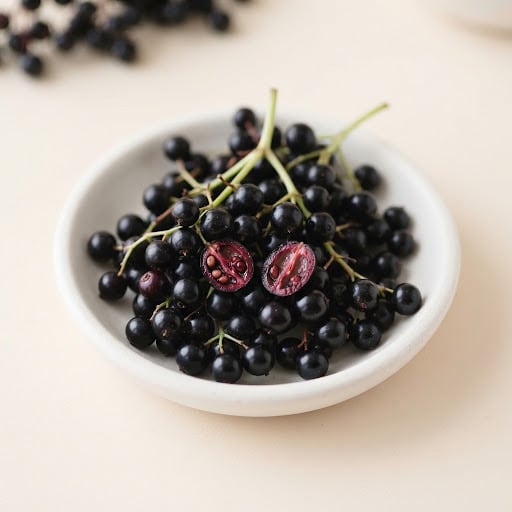
Babies can have black elderberries from about 6 months, but only when the berries are fully ripe, removed from all stems and thoroughly cooked. Raw or unripe elderberries, and the leaves, stems and bark, contain natural toxins that can make babies sick. Elderberry syrups, gummies and supplements are not recommended for babies.
How to serve elderberries by age
Shapes and textures change as your baby’s grasp and chewing grow.

6 months
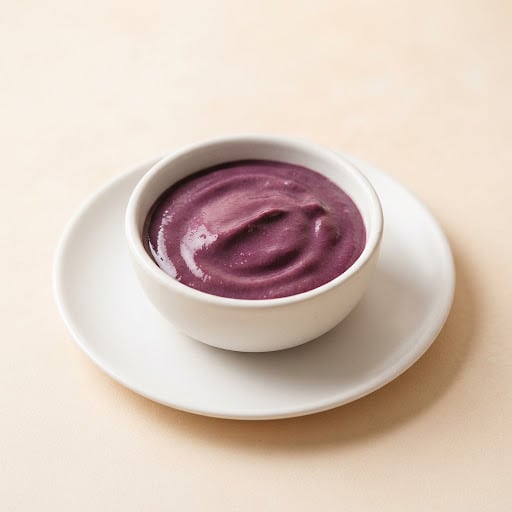
Pull ripe, dark purple elderberries off every stem, then simmer them in a little water for at least 15 to 20 minutes until soft. Blend the cooked berries, strain out the seeds so the puree is smooth, and swirl a small spoonful into plain yogurt, oatmeal or applesauce on a spoon.

7–8 months
Keep serving fully cooked, strained elderberry puree, now swirled into thicker oatmeal, yogurt or lumpy mashed fruit like pear or apple. The berries themselves stay cooked and strained, since the seeds are small and hard.

9–12 months
Keep serving fully cooked, strained elderberry puree mixed into yogurt, porridge or a smooth sauce. You can also spread a thin layer of homemade cooked elderberry sauce with no added sugar on toast strips.

12 months +
Toddlers can have cooked elderberries baked into muffins or pancakes, or stirred into yogurt as a compote. Keep using homemade cooked elderberries with little or no added sugar, and skip syrups and supplements unless your pediatrician advises otherwise.
Why it’s good
Cooked black elderberries give babies vitamin C, fiber and plant compounds called anthocyanins that give the berries their deep purple color. They also offer some vitamin A and potassium. There is not enough evidence to say elderberries prevent or treat colds in babies, so think of them as a fruit, not a medicine.
Safety notes
- Never give raw elderberries. Raw and unripe elderberries, plus the leaves, stems, bark and roots, contain compounds that can cause vomiting, diarrhea and stomach cramps. Only serve ripe berries that have been fully cooked.
- Remove every stem before cooking. Stems and unripe green berries are the most toxic parts, so pick through berries carefully.
- Do not forage elderberries unless you are certain of the plant. Some lookalike berries are poisonous. Buying dried or frozen black elderberries from a trusted source is safer.
- Elderberry syrups, gummies, teas and extracts are not recommended for babies. Many contain honey, which is unsafe before 12 months, or added sugar, and their safety in infants has not been studied.
- Elderberry seeds are small and hard. Strain cooked berries for young babies so the texture is smooth.
A low-allergy food, still worth watching
Black elderberry is not a common allergen, though reactions have been reported, especially in people with pollen allergies. Offer a small amount of cooked elderberry first and watch for rash, hives, lip swelling or vomiting.
Elderberries for babies: questions parents ask
Quick answers about elderberries for babies and toddlers.
When can babies have elderberries?
Babies can have elderberries from about 6 months, but only ripe berries that have been removed from the stems and fully cooked. Raw elderberries are not safe for babies or anyone else.
Can babies have elderberries?
Yes, babies can eat elderberries when they are ripe, destemmed and cooked until soft. Cooked elderberries are best served mashed and strained, mixed into yogurt or oatmeal.
Are elderberries a choking hazard for babies?
Cooked and strained elderberries are a low choking risk for babies. The berries are small and the seeds are hard, so mash or blend cooked elderberries and strain out seeds for young babies.
Are elderberries a common allergen?
No, elderberries are not a common allergen. Allergic reactions to elderberry are uncommon, but they can happen, so start with a small amount and watch closely.
How do I serve elderberries to a 6 month old?
To serve elderberries to a 6 month old, remove all stems, simmer the ripe berries for 15 to 20 minutes, then blend and strain them until smooth. Stir a small spoonful of the cooked elderberry puree into plain yogurt, oatmeal or another smooth food and offer it on a spoon.
Are raw elderberries poisonous?
Yes, raw elderberries, especially unripe ones, can make people sick. Raw elderberries and the leaves, stems and bark contain compounds that can cause nausea, vomiting and diarrhea, and thorough cooking makes ripe berries safe to eat.
Can babies have elderberry syrup?
Elderberry syrup is not recommended for babies. Many elderberry syrups contain honey, which can cause infant botulism before 12 months, and there is not enough research on elderberry supplements in young children, so talk to your pediatrician before giving any.
Can toddlers have elderberry gummies or tea?
Elderberry gummies and teas are best avoided for toddlers unless your pediatrician recommends them. Elderberry gummies can be a choking hazard and often contain added sugar, and the dose in supplements is not regulated like medicine.
Do elderberries help babies fight colds?
There is not enough evidence to show that elderberries prevent or shorten colds in babies or toddlers. Offer elderberries as a cooked fruit for flavor and nutrition, and call your pediatrician if your baby is sick.
Is elderberry good for toddlers?
Fully cooked ripe elderberries are fine for toddlers over 12 months as a fruit, baked into muffins or stirred into yogurt as a homemade compote. There is not enough evidence that elderberry prevents or treats colds in children. Skip syrups, gummies and supplements unless your pediatrician advises otherwise, and never serve raw elderberries.
The takeaway
- Babies can have black elderberries from about 6 months, but only when the berries are fully ripe, removed from all stems and thoroughly cooked.
- Pull ripe, dark purple elderberries off every stem, then simmer them in a little water for at least 15 to 20 minutes until soft.
- Choking risk is low. Not a Top 9 allergen, but offer a small amount first and watch for any reaction.
Read next



Sources
This guide follows current advice from these organizations.
- Starting Solid Foods American Academy of Pediatrics (HealthyChildren.org)
- When, What, and How to Introduce Solid Foods Centers for Disease Control and Prevention
- Choking Hazards Centers for Disease Control and Prevention
- Foods and Drinks to Avoid or Limit Centers for Disease Control and Prevention
- Dietary Guidelines for Americans, 2020-2025 U.S. Department of Agriculture and HHS
- Botulism Prevention Centers for Disease Control and Prevention
Recipes with black elderberry
Track every new food in your baby’s passport
Track the first 100 foods and the Top 9 allergens. 7 days free.
More fruit for babies

Updated November 2026. Reviewed by our dietitians. Based on AAP, CDC and NIAID guidance. Written for healthy, full-term babies; not a substitute for your pediatrician. If your baby was born early, has a medical condition, feeding difficulties or a known allergy, check with them first (medical disclaimer). Always stay with your baby while they eat.