
Fruit Food Library
When can babies have açaí?
Can babies have açaí?
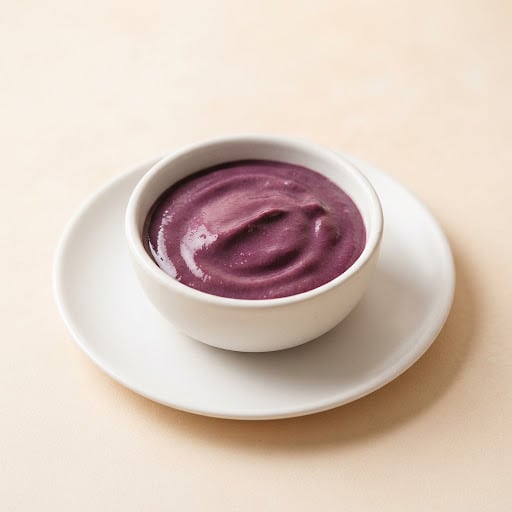
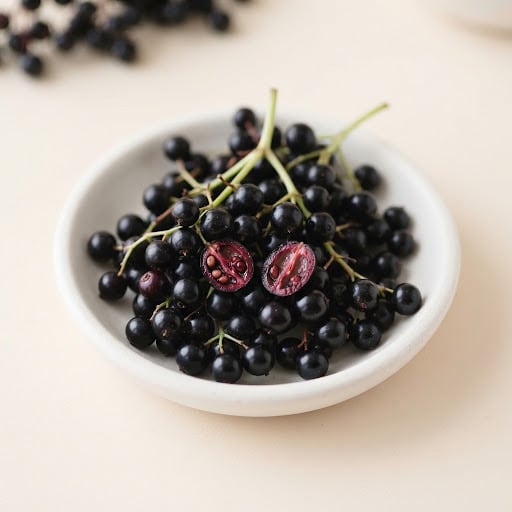
Babies can have açaí from about 6 months, served as unsweetened, pasteurized açaí purée stirred into yogurt, oatmeal or mashed fruit. Whole açaí berries are small, round and have a large hard seed, so they are not safe for babies. Skip sweetened açaí packs, açaí juice and toppings like granola and honey for young babies.
How to serve açaí by age
Shapes and textures change as your baby’s grasp and chewing grow.

6 months
Thaw a frozen unsweetened, pasteurized açaí purée pack and stir a spoonful into plain yogurt, oatmeal or smooth mashed banana. Offer it on a spoon or a pre-loaded spoon your baby can hold. Açaí is tart, so pairing it with sweet fruit helps.

7–8 months
Stir açaí purée into thicker, lumpier foods like fork-mashed banana, oatmeal made with less liquid or full-fat yogurt with mashed berries. Your baby can practice scooping with a pre-loaded spoon or their hands, and you can offer a soft strip of ripe banana or mango to dip into it.

9–12 months
Blend unsweetened açaí with banana and a little yogurt into a thick, smooth bowl and let your baby eat it with a spoon or dip soft toast strips into it. Top with soft fruit pieces like ripe mango or smashed blueberries.

12 months +
Toddlers can enjoy a homemade açaí bowl with soft fruit toppings, a sprinkle of ground seeds or finely ground oats. Save crunchy granola, coconut flakes and whole nuts until your child chews well, and avoid honey and syrups to keep sugar low.
Why it’s good
Açaí gives babies healthy fats, fiber and plant compounds called anthocyanins that give the berry its deep purple color. Unsweetened açaí is low in sugar compared with most fruits. Açaí is not a significant source of iron or vitamin C, so pair it with other fruits and foods for a balanced meal.
Safety notes
- Whole açaí berries are a choking hazard because they are small, round and mostly hard seed. Only serve açaí as purée, powder or pulp, never whole berries.
- Choose pasteurized açaí. Unpasteurized fresh açaí pulp has been linked to Chagas disease in parts of South America where it is made, so buy commercially frozen, pasteurized packs.
- Many açaí packs, bowls and drinks have added sugar or guarana, a source of caffeine. Read labels and pick packs that list only açaí (and sometimes citric acid).
- Café açaí bowls are often topped with honey, granola, whole nuts and syrup. Make your own at home for babies, and never give honey before 12 months.
- Açaí can turn stools dark purple or almost black. This is harmless, but call your pediatrician if stools look black and tarry when your baby has not eaten dark foods.
A low-allergy food, still worth watching
Açaí is not a common allergen and is not one of the Top 9 allergens, though reactions to any food are possible. Introduce açaí on its own or with foods your baby already eats, and watch for rash, swelling or vomiting, especially if your family has allergies to other palm fruits.
Açaí for babies: questions parents ask
Quick answers about açaí for babies and toddlers.
When can babies have açaí?
Babies can have açaí from about 6 months, when they start solid food. Offer açaí as unsweetened, pasteurized purée mixed into soft foods like yogurt or oatmeal, not as whole berries or sweetened bowls.
Can babies have açaí?
Yes, babies can eat açaí when it is unsweetened purée or powder. Açaí is a nutritious fruit with healthy fats and fiber. Whole açaí berries and sugary açaí drinks are not suitable for babies.
Is açaí a choking hazard for babies?
Açaí is rated a moderate choking risk overall. Smooth purée is easy for babies to manage, but whole fruit is not. Whole açaí berries are a choking hazard because they are small and round with a large hard seed. Toppings on açaí bowls, like granola and nuts, can also be choking hazards.
Is açaí a common allergen?
Açaí is not a common allergen and is not one of the Top 9 food allergens. Allergic reactions to açaí are uncommon, but watch your baby the first few times and check bowl toppings for allergens like nuts, dairy or wheat.
How do I serve açaí to a 6 month old?
To serve açaí to a 6 month old, thaw an unsweetened açaí pack and mix a spoonful into plain yogurt, oatmeal or smooth mashed banana. Offer it on a spoon or a pre-loaded spoon. Thicker, lumpier açaí mixes and soft fruit to dip can follow at 7–8 months.
Can babies have açaí bowls?
Babies can have homemade açaí bowls made with unsweetened açaí, banana and plain yogurt. Store-bought açaí bowls are usually high in added sugar and topped with honey, granola or nuts, which are not safe for babies under 12 months.
When can babies drink açaí juice?
Açaí juice is best avoided before 12 months, like all juice. After 12 months, keep any juice to 4 ounces or less a day, and check that açaí drinks have no added sugar or guarana, which contains caffeine.
Is açaí powder safe for babies?
Plain, unsweetened açaí powder is safe for babies when stirred into moist foods. Check that the powder has no added sugar, caffeine or other supplements, and use a small amount because it is concentrated.
Why is my baby's poop purple after eating açaí?
Açaí can make a baby's poop dark purple or nearly black because of its strong natural pigments. This color change is harmless. If stools look black and tarry without dark foods, or contain blood, call your pediatrician.
The takeaway
- Babies can have açaí from about 6 months, served as unsweetened, pasteurized açaí purée stirred into yogurt, oatmeal or mashed fruit.
- Thaw a frozen unsweetened, pasteurized açaí purée pack and stir a spoonful into plain yogurt, oatmeal or smooth mashed banana.
- Choking risk is medium. Not a Top 9 allergen, but offer a small amount first and watch for any reaction.
Read next



Sources
This guide follows current advice from these organizations.
- Starting Solid Foods American Academy of Pediatrics (HealthyChildren.org)
- When, What, and How to Introduce Solid Foods Centers for Disease Control and Prevention
- Choking Hazards Centers for Disease Control and Prevention
- Choking Prevention American Academy of Pediatrics (HealthyChildren.org)
- Foods and Drinks to Avoid or Limit Centers for Disease Control and Prevention
- Dietary Guidelines for Americans, 2020-2025 U.S. Department of Agriculture and HHS
Track every new food in your baby’s passport
Track the first 100 foods and the Top 9 allergens. 7 days free.
More fruit for babies
Updated November 2026. Reviewed by our dietitians. Based on AAP, CDC and NIAID guidance. Written for healthy, full-term babies; not a substitute for your pediatrician. If your baby was born early, has a medical condition, feeding difficulties or a known allergy, check with them first (medical disclaimer). Always stay with your baby while they eat.