
Protein Food Library
When can babies have bacon?
Can babies have bacon?
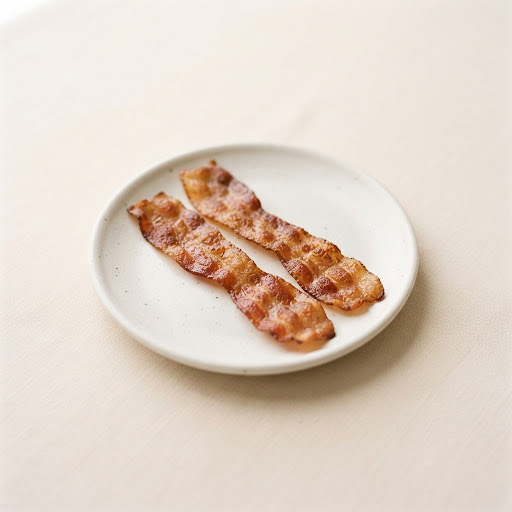
Bacon is best saved until 12 months or older, and even then as an occasional food in small amounts. Bacon is a cured, processed meat that is very high in sodium and saturated fat, and crispy shards or chewy strips are a choking risk. Before 12 months, offer unprocessed meats like ground pork, chicken or beef instead.
How to serve bacon by age
Shapes and textures change as your baby’s grasp and chewing grow.

6 months
Skip bacon at this age. Babies need very little sodium, and bacon is one of the saltiest meats you can buy. For savory flavor, blend unsalted cooked ground pork or slow-cooked pork shoulder into a smooth puree with vegetables.

7–8 months
Bacon is still best avoided. Instead, offer finely minced unsalted pork stirred into mashed vegetables, or very soft ground pork meatballs or patties cooked without salt that break apart easily between your fingers.

9–12 months
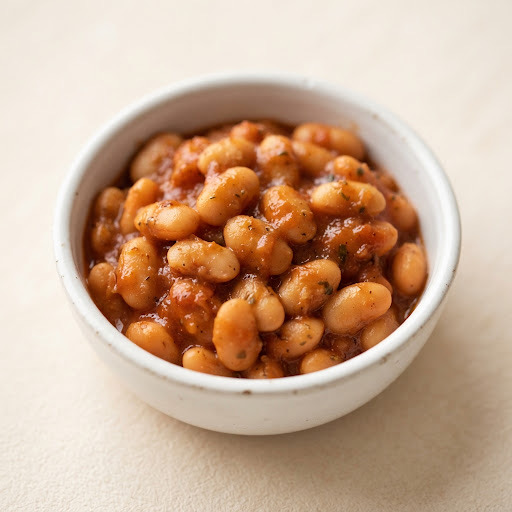
Bacon is still best avoided before 12 months. If a little ends up in a family dish, such as a pot of beans or soup cooked with one slice, pick out the bacon pieces and serve the softened food around it.

12 months +
Offer a small amount, such as a few finely chopped bits of soft-cooked bacon stirred into scrambled eggs, mashed potatoes or pasta. Cook it until done but not shatter-crisp, blot off the fat, and chop it into pieces smaller than a pea. Keep bacon to an occasional food rather than a daily one.
Why it’s good
Bacon provides protein, fat and some B vitamins and zinc, but in small amounts compared with how much sodium and saturated fat comes with it. One slice can contain a large share of a toddler's daily sodium. Lean unprocessed meats, eggs, beans and fish give the same nutrients with far less salt.
Safety notes
- Bacon is a high-sodium processed meat. Wait until at least 12 months, and keep portions small and occasional after that.
- Crispy bacon breaks into hard, sharp shards and chewy bacon is hard to break down, so both are choking risks. Chop cooked bacon into very small bits and mix it into soft foods.
- Never serve whole strips to babies or young toddlers, as they can tear off a long piece that is hard to chew.
- Always cook bacon fully. Raw or undercooked pork can carry harmful bacteria and parasites.
- Hot bacon grease splatters and causes burns. Keep little ones well away from the stove while it cooks.
A low-allergy food, still worth watching
Bacon is not one of the Top 9 common food allergens, and pork allergy is rare. Rarely, people with a cat allergy can react to pork (pork-cat syndrome), and alpha-gal syndrome after certain tick bites causes red meat reactions in some older children and adults, so check with your pediatrician if you notice hives or vomiting after eating it.
Bacon for babies: questions parents ask
Quick answers about bacon for babies and toddlers.
When can babies have bacon?
Babies can have small amounts of bacon from 12 months of age, as an occasional food. Bacon is very high in sodium, so it is best avoided before the first birthday and limited after it.
Can babies have bacon?
Babies under 12 months should not eat bacon, because it is a salty processed meat and a choking risk. Toddlers can have a little finely chopped bacon in soft foods once in a while.
Is bacon a choking hazard for babies?
Yes, bacon is a choking hazard for babies and toddlers. Crispy bacon breaks into hard, sharp pieces and chewy bacon is tough to grind down, so chop it into tiny bits and mix it into soft foods.
Is bacon a common allergen?
No, bacon is not a common food allergen. Pork allergy is rare, though reactions can happen, so watch for hives, swelling or vomiting the first few times.
How do I serve bacon to a 6 month old?
Bacon is not recommended for a 6 month old because of its high sodium content. Offer soft, unsalted ground pork, shredded pork shoulder or other unprocessed meats instead, and save bacon for after 12 months.
Is turkey bacon better for babies than regular bacon?
Turkey bacon is usually lower in fat than pork bacon, but turkey bacon is still a cured, processed meat with a lot of sodium. Treat turkey bacon the same way: wait until 12 months and keep it occasional.
Is uncured bacon healthier for babies?
Uncured bacon is not meaningfully healthier for babies. Uncured bacon is cured with celery powder or other natural sources of nitrites instead of added sodium nitrite, and it is usually just as salty, so the same limits apply.
Can my baby eat food that was cooked with bacon?
A baby over 6 months can usually eat a family dish like beans or greens that had a little bacon cooked into it, as long as you remove the bacon pieces and the dish is not very salty. Taste the dish first, and serve a different portion if it is noticeably salty.
When can babies have Canadian bacon or ham?
Canadian bacon and ham are also cured, high-sodium processed meats, so the same advice as bacon applies. Wait until 12 months, cut them into tiny pieces or thin shreds, and serve them only now and then.
The takeaway
- Bacon is best saved until 12 months or older, and even then as an occasional food in small amounts.
- Offer a small amount, such as a few finely chopped bits of soft-cooked bacon stirred into scrambled eggs, mashed potatoes or pasta.
- Choking risk is high. Not a Top 9 allergen, but offer a small amount first and watch for any reaction.
Read next


Sources
This guide follows current advice from these organizations.
- Starting Solid Foods American Academy of Pediatrics (HealthyChildren.org)
- When, What, and How to Introduce Solid Foods Centers for Disease Control and Prevention
- Choking Hazards Centers for Disease Control and Prevention
- Choking Prevention American Academy of Pediatrics (HealthyChildren.org)
- Foods and Drinks to Avoid or Limit Centers for Disease Control and Prevention
Track every new food in your baby’s passport
Track the first 100 foods and the Top 9 allergens. 7 days free.
More protein foods for babies
Updated November 2026. Reviewed by our dietitians. Based on AAP, CDC and NIAID guidance. Written for healthy, full-term babies; not a substitute for your pediatrician. If your baby was born early, has a medical condition, feeding difficulties or a known allergy, check with them first (medical disclaimer). Always stay with your baby while they eat.