
Family foods Food Library
When can babies have mashed potatoes?
Can babies have mashed potatoes?
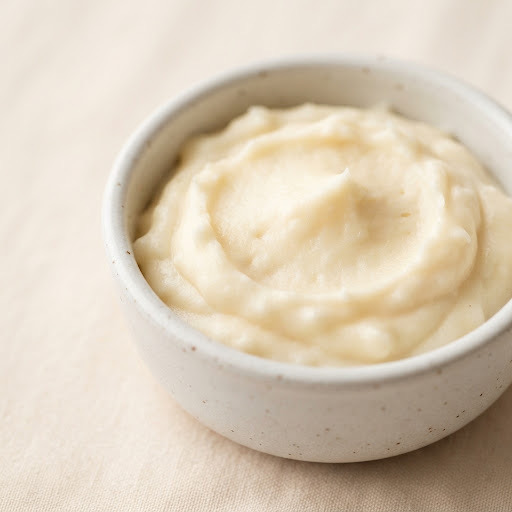
Babies can have mashed potatoes from about 6 months, made without added salt. Smooth mashed potatoes are easy to eat from a spoon, which makes them a great first food, and lumpier mash can follow at 7–8 months. Classic mashed potatoes include milk and butter, which are dairy, so introduce dairy first or use breast milk, formula or olive oil instead.
How to serve mashed potatoes by age
Shapes and textures change as your baby’s grasp and chewing grow.

6 months
Boil or steam peeled potatoes until very soft, then mash with breast milk, formula, a splash of whole cow's milk or a little unsalted butter or olive oil until completely smooth. Offer it on a spoon or a pre-loaded spoon your baby can hold.

7–8 months
Mash potatoes a little more roughly so they have small soft lumps, and stir in mashed vegetables, lentils, flaked fish or minced meat. You can also shape cooled mash into soft patties, pan-cooked gently, that squash easily between your fingers.

9–12 months
Leave mashed potatoes a little lumpy for texture practice, or shape them into small patties and pan-fry until golden. Mix in mashed veggies, beans, flaked fish or shredded meat for extra nutrition.

12 months +
Toddlers can share family mashed potatoes as long as salt is kept low. Serve some for your child before seasoning the rest, and add flavor with garlic, herbs, cheese or a swirl of plain yogurt.
Why it’s good
Mashed potatoes give babies energy from carbohydrates, plus potassium, vitamin C and vitamin B6. Leaving some skin on adds fiber. Adding fat from butter, olive oil or milk boosts calories, and mixing in lentils, meat or egg adds protein and iron.
Safety notes
- Do not add salt to mashed potatoes for babies. Season the family portion after setting your baby's aside.
- Instant and store-bought mashed potatoes are often high in sodium and may contain additives. Check labels or make them fresh.
- Cool mashed potatoes before serving, and stir well if microwaving, as hot spots can burn little mouths.
- Do not use green, sprouted or bitter-tasting potatoes. Cut away green parts and sprouts, which contain solanine.
- Refrigerate leftover mashed potatoes within 2 hours and use them within 3 to 4 days, reheating until steaming hot.
Introduce mashed potatoes on its own, then keep it in
Potatoes are not a common allergen, but classic mashed potatoes made with milk, butter, cream or cheese contain dairy, one of the Top 9 allergens. If your baby has not had dairy yet, make mashed potatoes with breast milk, formula or olive oil, and watch for hives, vomiting or swelling when you do add dairy.
Mashed potatoes for babies: questions parents ask
Quick answers about mashed potatoes for babies and toddlers.
When can babies have mashed potatoes?
Babies can have mashed potatoes from about 6 months, when they start solids, as long as no salt is added. Mashed potatoes are soft and easy to swallow, which makes them a simple early food.
Can babies have mashed potatoes?
Yes, babies can eat mashed potatoes made without salt. Mashed potatoes can be made with breast milk, formula, whole cow's milk, unsalted butter or olive oil, depending on whether your baby has had dairy yet.
Are mashed potatoes a choking hazard for babies?
Mashed potatoes are a low choking hazard because they are soft and smooth. Large spoonfuls can still cause gagging, so offer small amounts at a time and always stay with your baby while they eat.
Are mashed potatoes a common allergen?
Plain potatoes are not a common allergen, but mashed potatoes made with milk, butter or cheese contain dairy, a Top 9 allergen. Make mashed potatoes without dairy until your baby has tried it on its own.
How do I serve mashed potatoes to a 6 month old?
To serve mashed potatoes to a 6 month old, boil peeled potatoes until very soft and mash them completely smooth with breast milk, formula or a little olive oil, without salt. Offer it on a spoon or hand your baby a pre-loaded spoon.
Can I use butter and milk in mashed potatoes for my baby?
Yes, unsalted butter and whole cow's milk can be used in mashed potatoes for babies from 6 months, since small amounts of cow's milk in cooking are fine. Cow's milk as a drink should still wait until 12 months.
Are instant mashed potatoes okay for babies?
Instant mashed potatoes are not ideal for babies because many brands are high in salt and contain flavorings or preservatives. If you use instant mashed potatoes, choose a plain, unsalted kind with potatoes as the main ingredient.
Do mashed potatoes cause constipation in babies?
Mashed potatoes are low in fiber and can contribute to firmer stools if your baby eats a lot of them. Leaving the skins on, or serving mashed potatoes with vegetables, fruit and water, helps keep things moving.
How can I make mashed potatoes more nutritious for my baby?
To make mashed potatoes more nutritious, mash in cooked cauliflower, carrot, sweet potato, white beans, lentils or flaked salmon. Adding these foods boosts fiber, protein and iron without changing the soft texture.
Can I freeze mashed potatoes for my baby?
Yes, mashed potatoes freeze well in ice cube trays for up to about 3 months. Thaw mashed potatoes in the fridge, reheat until steaming hot, stir well and cool before serving.
The takeaway
- Babies can have mashed potatoes from about 6 months, made without added salt.
- Boil or steam peeled potatoes until very soft, then mash with breast milk, formula, a splash of whole cow's milk or a little unsalted butter or olive oil until completely smooth.
- Choking risk is low. Dairy is one of the Top 9 allergens: offer a small amount first, watch for a reaction, then keep it in the diet regularly.
Read next



Sources
This guide follows current advice from these organizations.
- Starting Solid Foods American Academy of Pediatrics (HealthyChildren.org)
- When, What, and How to Introduce Solid Foods Centers for Disease Control and Prevention
- Choking Hazards Centers for Disease Control and Prevention
- Foods and Drinks to Avoid or Limit Centers for Disease Control and Prevention
- The Effects of Early Nutritional Interventions on the Development of Atopic Disease in Infants and Children Greer FR, Sicherer SH, Burks AW; American Academy of Pediatrics. Pediatrics. 2019;143(4):e20190281
Track every new food in your baby’s passport
Track the first 100 foods and the Top 9 allergens. 7 days free.
More family foods for babies
Updated November 2026. Reviewed by our dietitians. Based on AAP, CDC and NIAID guidance. Written for healthy, full-term babies; not a substitute for your pediatrician. If your baby was born early, has a medical condition, feeding difficulties or a known allergy, check with them first (medical disclaimer). Always stay with your baby while they eat.