
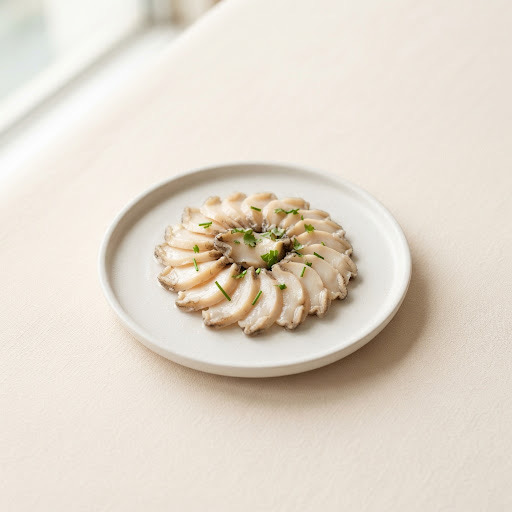
Protein Food Library
When can babies have abalone?
Can babies have abalone?
Babies can have fully cooked abalone from about 6 months, as long as it is finely minced or ground, because the meat is very firm and chewy. Abalone is a mollusk shellfish, so introduce it in a small amount and watch for an allergic reaction. Never serve abalone raw or undercooked to babies or toddlers.
How to serve abalone by age
Shapes and textures change as your baby’s grasp and chewing grow.

6 months
Steam or slow-braise abalone until fully cooked and tender, then blend it with a little cooking water, breast milk or formula into a smooth puree. Stir a small spoonful into smooth rice porridge or mashed potato and offer it on a spoon.

7–8 months
Mince well-cooked abalone very finely and stir it into thicker congee, mashed potato or soft scrambled egg for a lumpier texture. Do not offer strips, slices or chunks, since the meat stays rubbery even when tender and does not squash between your fingers.

9–12 months
Offer finely chopped, well-cooked abalone mixed into soft rice, scrambled egg or vegetable fritters. Pieces should be tiny, about the size of a grain of rice, so they cannot form a chewy lump.

12 months +
Toddlers can have thin, tender slices of slow-braised abalone cut into small bite-size pieces, or finely chopped abalone in noodles, soups and dumplings. Keep pieces small until your child chews well, often around age 2 or later.
Why it’s good
Abalone gives babies lean protein for growth, plus vitamin B12, selenium, magnesium, phosphorus and iodine. Abalone is low in mercury and provides a mild seafood flavor that helps babies get used to the taste of shellfish. Some abalone products, especially canned or dried, can be high in sodium.
Safety notes
- Abalone is a high choking risk because the meat is dense, rubbery and hard to chew. Mince, grind or blend it for babies and never serve slices, rings or chunks to young children.
- Only serve fully cooked abalone. Raw or lightly cooked abalone, as served in sashimi, can carry bacteria such as Vibrio that can make babies very sick.
- Canned and dried abalone and abalone in sauces are often salty. Rinse canned abalone, avoid sauces like oyster sauce for babies under 12 months, and keep portions small.
- Buy abalone from a trusted seller. Wild shellfish can carry natural toxins from algae blooms, so follow local harvest advisories if you gather your own.
- Store fresh abalone cold and cook it within a day. Throw out any abalone that smells strongly fishy or sour.
Mollusk shellfish: introduce it carefully
Abalone is a mollusk shellfish, and shellfish allergy is common, though US food labeling laws only list crustaceans like shrimp and crab as major allergens. Some people allergic to other shellfish also react to mollusks, so introduce abalone in a small amount, watch for hives, vomiting, swelling, coughing or wheezing, and talk to your pediatrician first if your baby has a known shellfish allergy or severe eczema.
Abalone for babies: questions parents ask
Quick answers about abalone for babies and toddlers.
When can babies have abalone?
Babies can have abalone from about 6 months, once they are ready for solid food. Abalone must be fully cooked and finely minced or blended into a soft food because the meat is very chewy.
Can babies have abalone?
Yes, babies can eat abalone when it is fully cooked, tender and finely chopped. Abalone is a good source of protein and minerals, but raw abalone and large chewy pieces are not safe for babies.
Is abalone a choking hazard for babies?
Yes, abalone is a high choking hazard for babies because the meat is firm, springy and difficult to chew. Mince or grind abalone and mix it into moist foods like congee, and always stay with your baby while they eat.
Is abalone a common allergen?
Abalone is a mollusk shellfish, and shellfish is one of the most common food allergens. Mollusks are not labeled as major allergens in the US, but reactions do happen, so introduce abalone carefully and watch for signs of a reaction.
How do I serve abalone to a 6 month old?
To serve abalone to a 6 month old, steam or braise it until tender and fully cooked, then blend it smooth into rice porridge or mashed vegetables. Offer a small spoonful and watch your baby closely. Very finely minced abalone in thicker congee can follow at 7–8 months.
How do I make abalone tender for a baby?
To make abalone tender for a baby, cook it either very quickly (under a minute) or slowly for a long time, such as braising for a few hours. Medium cooking times make abalone tough. Even tender abalone should still be finely minced for babies under 12 months.
Can babies have canned abalone?
Babies can eat canned abalone if it is rinsed well, finely minced and served in small amounts. Canned abalone is already cooked but is often packed in salty brine, so fresh or frozen abalone is a better choice when you can find it.
Is abalone high in mercury?
Abalone is a low-mercury seafood and is safe for babies and toddlers in normal portions. As with all seafood, offering a variety of low-mercury fish and shellfish is a good habit.
Can babies have abalone congee?
Yes, babies can have abalone congee from 6 months if the abalone is finely minced and the congee is made without added salt, soy sauce or oyster sauce. Congee is one of the easiest ways to serve abalone to babies because it is soft and moist.
The takeaway
- Babies can have fully cooked abalone from about 6 months, as long as it is finely minced or ground, because the meat is very firm and chewy.
- Steam or slow-braise abalone until fully cooked and tender, then blend it with a little cooking water, breast milk or formula into a smooth puree.
- Choking risk is high. Not a Top 9 allergen, but offer a small amount first and watch for any reaction.
Read next


Sources
This guide follows current advice from these organizations.
- Starting Solid Foods American Academy of Pediatrics (HealthyChildren.org)
- When, What, and How to Introduce Solid Foods Centers for Disease Control and Prevention
- Choking Hazards Centers for Disease Control and Prevention
- Choking Prevention American Academy of Pediatrics (HealthyChildren.org)
Track every new food in your baby’s passport
Track the first 100 foods and the Top 9 allergens. 7 days free.
More protein foods for babies
Updated November 2026. Reviewed by our dietitians. Based on AAP, CDC and NIAID guidance. Written for healthy, full-term babies; not a substitute for your pediatrician. If your baby was born early, has a medical condition, feeding difficulties or a known allergy, check with them first (medical disclaimer). Always stay with your baby while they eat.