
Fruit Food Library
When can babies have soursop?
Can babies have soursop?
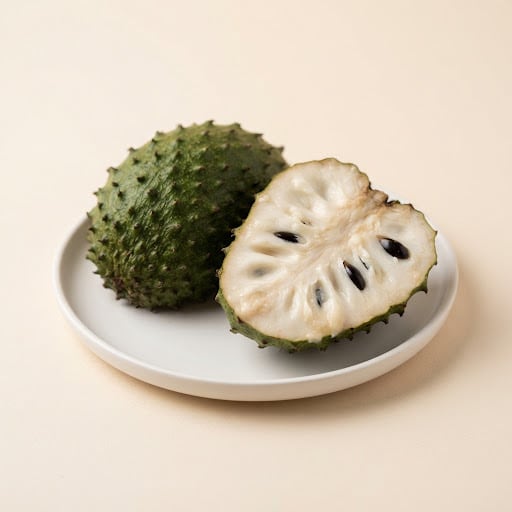
Babies can have soursop, also called guanabana, from about 6 months as an occasional fruit with every seed removed. The soft white flesh is easy to mash, but the black seeds are a choking hazard and should never be eaten. Skip soursop tea, leaves and supplements for babies.
How to serve soursop by age
Shapes and textures change as your baby’s grasp and chewing grow.

6 months
Scoop the soft flesh of a ripe soursop, pick out every black seed and remove the fibrous core, then mash it smooth or stir it into plain yogurt or oatmeal. Offer it on a spoon.

7–8 months
Mash seedless soursop more roughly for a lumpier texture, or mix it with mashed banana or mango. You can also offer a soft, seedless piece of flesh about the size of two adult fingers for your baby to hold, after checking it again for seeds.

9–12 months
Offer small, seedless pieces of ripe soursop for pincer practice, or mix mashed soursop with banana or mango. Check each piece for seeds before serving.

12 months +
Toddlers can eat seedless soursop pieces, mashed soursop in yogurt, or frozen soursop pulp blended into a homemade smoothie with no added sugar. Keep soursop an occasional fruit.
Why it’s good
Soursop gives babies vitamin C, fiber, potassium and some B vitamins. Vitamin C helps babies absorb iron from plant foods eaten at the same meal. Its creamy, sweet-tart flavor is often compared to a mix of pineapple and banana.
Safety notes
- Remove every seed. Soursop seeds are hard and a choking hazard, and they contain natural toxins, so they should never be eaten or crushed into food.
- Soursop contains annonacin, a natural compound that has raised concerns about nerve effects with very frequent, heavy use. Offer soursop as an occasional fruit rather than daily.
- Do not give babies soursop leaf tea, graviola supplements or herbal remedies.
- Pick a fruit that gives slightly when pressed. Unripe soursop is hard and very sour.
- Frozen soursop pulp and juice drinks often contain added sugar. Choose plain unsweetened pulp.
A low-allergy food, still worth watching
Soursop is not a common food allergen, though rare reactions have been reported. Start with a small amount and watch for rash, hives, mouth itching or vomiting.
Soursop for babies: questions parents ask
Quick answers about soursop for babies and toddlers.
When can babies have soursop?
Babies can have soursop from about 6 months when it is ripe and mashed, with every seed removed, and soft seedless pieces can follow at 7–8 months. Soursop is best offered as an occasional fruit.
Can babies have soursop?
Yes, babies can eat ripe soursop flesh in small amounts once all seeds are removed. Soursop tea, leaves and supplements are not safe choices for babies.
Is soursop a choking hazard for babies?
Soursop flesh is a low choking risk for babies when ripe and soft, but the seeds are a choking hazard. Remove every soursop seed and the fibrous core before serving.
Is soursop a common allergen?
No, soursop is not a common allergen. Allergic reactions to soursop are rare but possible, so start with a small amount.
How do I serve soursop to a 6 month old?
To serve soursop to a 6 month old, scoop the ripe flesh, remove all seeds and the core, and mash it smooth or stir it into plain yogurt, then offer it on a spoon. A seedless finger-size piece of soursop for self-feeding can follow at 7–8 months.
Are soursop seeds safe for babies?
Soursop seeds are not safe for babies or anyone to eat. Soursop seeds are hard enough to cause choking and contain natural toxins, so remove them all.
Can babies drink soursop juice?
Babies under 12 months should not drink soursop juice. Toddlers can have mashed soursop or a homemade smoothie made with plain soursop pulp instead.
Is soursop tea safe for babies?
Soursop tea, made from the leaves, is not recommended for babies or young children. Soursop leaves and graviola supplements contain concentrated plant compounds that have not been shown to be safe for kids.
How often can babies eat soursop?
Babies can eat soursop as an occasional fruit, such as once or twice a week, as part of a varied diet. Rotate soursop with other fruits like mango, papaya and banana.
The takeaway
- Babies can have soursop, also called guanabana, from about 6 months as an occasional fruit with every seed removed.
- Scoop the soft flesh of a ripe soursop, pick out every black seed and remove the fibrous core, then mash it smooth or stir it into plain yogurt or oatmeal.
- Choking risk is low. Not a Top 9 allergen, but offer a small amount first and watch for any reaction.
Read next


Sources
This guide follows current advice from these organizations.
- Starting Solid Foods American Academy of Pediatrics (HealthyChildren.org)
- When, What, and How to Introduce Solid Foods Centers for Disease Control and Prevention
- Choking Hazards Centers for Disease Control and Prevention
- Foods and Drinks to Avoid or Limit Centers for Disease Control and Prevention
- Dietary Guidelines for Americans, 2020-2025 U.S. Department of Agriculture and HHS
Track every new food in your baby’s passport
Track the first 100 foods and the Top 9 allergens. 7 days free.
More fruit for babies
Updated November 2026. Reviewed by our dietitians. Based on AAP, CDC and NIAID guidance. Written for healthy, full-term babies; not a substitute for your pediatrician. If your baby was born early, has a medical condition, feeding difficulties or a known allergy, check with them first (medical disclaimer). Always stay with your baby while they eat.