
Protein Food Library
When can babies have sole?
Can babies have sole?
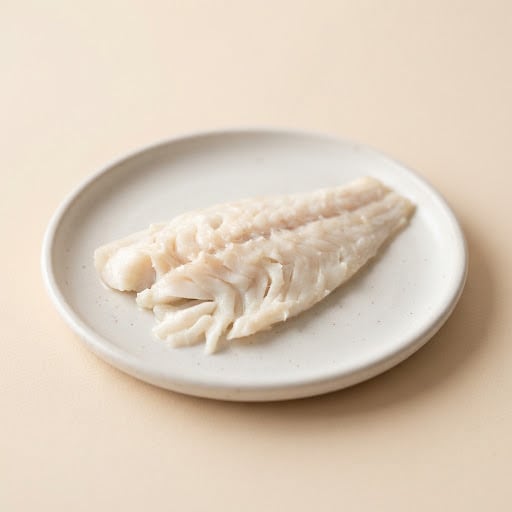
Babies can have sole from about 6 months when it is fully cooked and boneless. Sole is a thin, delicate white fish that is very low in mercury and flakes easily, making it a great first fish. Fish is a common allergen, so start with a small amount.
How to serve sole by age
Shapes and textures change as your baby’s grasp and chewing grow.

6 months
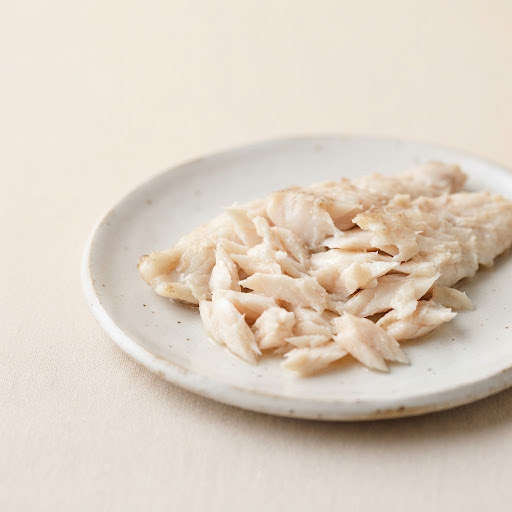
Bake, steam or poach sole for a few minutes until it turns opaque and flakes, then check carefully for bones. Mash the flakes finely with a little cooking water, breast milk or formula, or blend them into smooth potato, pea or rice puree, and offer it on a spoon.

7–8 months
Mash cooked, boneless sole more roughly into potato, peas or rice, or mix it with a little plain yogurt for a lumpier texture. Your baby can also pick up soft flakes, which squash easily between your fingers; check each one for bones.

9–12 months
Offer small boneless flakes for pincer-grasp practice, or bite-size pieces of soft homemade fish cakes. Sole cooks fast, so watch it to keep it moist.

12 months +
Toddlers can eat sole baked with lemon and butter, in fish tacos, or as homemade oven-baked fish strips. Keep checking for bones every time.
Why it’s good
Sole gives babies lean protein, vitamin B12, selenium, phosphorus and iodine. It is very low in mercury and is one of the FDA best choices for fish. Its mild taste makes sole an easy way to introduce fish.
Safety notes
- Cook sole to an internal temperature of 145F (63C), until it is opaque and flakes easily.
- Sole fillets are usually boneless, but some have small bones along the edges. Feel through each flake before serving.
- Thin fillets dry out quickly. Cook gently and add a little butter, olive oil or sauce to keep the fish moist.
- Breaded store-bought sole is often high in sodium. Make your own coating with breadcrumbs and egg.
- Thaw frozen sole in the fridge, not on the counter, and cook it within a day.
Introduce sole on its own, then keep it in
Sole is a fish, and fish is one of the Top 9 allergens. Introduce a small amount, watch for hives, vomiting, swelling or breathing changes, and keep fish in your baby's diet regularly once tolerated.
Sole for babies: questions parents ask
Quick answers about sole for babies and toddlers.
When can babies have sole?
Babies can have sole from about 6 months when it is fully cooked and boneless. Sole is a great first fish because it is mild, soft and low in mercury.
Can babies have sole?
Yes, babies can eat sole that is baked, steamed or poached until flaky. Sole should always be checked for small bones before serving.
Is sole a choking hazard for babies?
Sole is a low choking risk for babies when it is cooked soft and boneless. Small bones are the main hazard, so feel through the flakes before serving.
Is sole a common allergen?
Yes, sole is a common allergen because fish is one of the Top 9 food allergens. Introduce sole in a small amount and watch for any signs of a reaction.
How do I serve sole to a 6 month old?
To serve sole to a 6 month old, cook a fillet until it flakes, remove any bones and mash the flakes smooth into potato or rice, or mix them with plain yogurt. Offer it on a spoon. Soft flakes to pick up can follow at 7–8 months.
Is sole high in mercury?
No, sole is very low in mercury and is on the FDA best choices list. Babies and toddlers can have sole as part of about 2 small servings of low-mercury fish a week (about 1 ounce per serving for ages 1 to 3).
Can babies have frozen sole?
Babies can eat frozen sole once it is thawed in the fridge and cooked through. Frozen sole fillets are an affordable, easy option for busy families.
Can sole help a constipated baby?
Sole has no fiber, so it will not relieve constipation on its own. Serve sole with fiber-rich foods like peas, broccoli, pears or whole grains to help keep stools soft.
The takeaway
- Babies can have sole from about 6 months when it is fully cooked and boneless.
- Bake, steam or poach sole for a few minutes until it turns opaque and flakes, then check carefully for bones.
- Choking risk is low. Fish is one of the Top 9 allergens: offer a small amount first, watch for a reaction, then keep it in the diet regularly.
Read next



Sources
This guide follows current advice from these organizations.
- Starting Solid Foods American Academy of Pediatrics (HealthyChildren.org)
- When, What, and How to Introduce Solid Foods Centers for Disease Control and Prevention
- Choking Hazards Centers for Disease Control and Prevention
- Foods and Drinks to Avoid or Limit Centers for Disease Control and Prevention
- Advice about Eating Fish U.S. Food and Drug Administration
- The Effects of Early Nutritional Interventions on the Development of Atopic Disease in Infants and Children Greer FR, Sicherer SH, Burks AW; American Academy of Pediatrics. Pediatrics. 2019;143(4):e20190281
Track every new food in your baby’s passport
Track the first 100 foods and the Top 9 allergens. 7 days free.
More protein foods for babies
Updated November 2026. Reviewed by our dietitians. Based on AAP, CDC and NIAID guidance. Written for healthy, full-term babies; not a substitute for your pediatrician. If your baby was born early, has a medical condition, feeding difficulties or a known allergy, check with them first (medical disclaimer). Always stay with your baby while they eat.