
Protein Food Library
When can babies have soybeans?
Can babies have soybeans?
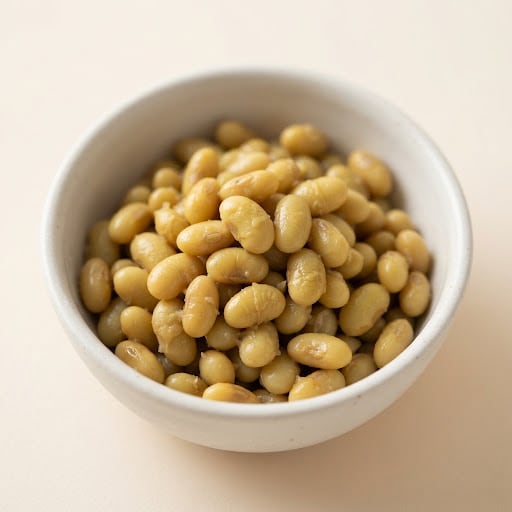
Babies can have soybeans from about 6 months when they are cooked until soft and blended smooth, then mashed from 7–8 months and flattened later. Whole soybeans and edamame are firm and round, which makes them a choking hazard. Soy is one of the Top 9 allergens, so introduce it early in a small amount.
How to serve soybeans by age
Shapes and textures change as your baby’s grasp and chewing grow.

6 months
Cook soybeans or shelled edamame until very soft, then blend them with a little olive oil and water, breast milk or formula into a smooth puree. Offer it on a spoon, or blend silken tofu smooth as another easy way to introduce soy.

7–8 months
Fork-mash soft-cooked soybeans or edamame into a thicker, lumpier mash, or spread the mash on soft toast strips. Strips of soft tofu that squash easily are another good option at this age.

9–12 months
Smash each cooked soybean or edamame bean flat between your fingers before serving, so your baby can pick them up with a pincer grasp. You can also mix mashed soybeans into rice or eggs.

12 months +
Toddlers can have flattened or halved soybeans in stir-fries, salads and grain bowls. Keep smashing or halving them until about age 4, and never offer edamame in the pod.
Why it’s good
Soybeans are a complete protein and give babies iron, zinc, folate, calcium, fiber and healthy fats. They are one of the most nutrient-rich plant proteins. Pair soybeans with a vitamin C food like tomato or bell pepper to boost iron absorption.
Safety notes
- Whole soybeans and edamame are firm and the right size to block a small airway. Mash or flatten them for babies and toddlers.
- Never give edamame in the pod. The pods are tough and fibrous.
- Cook dried soybeans fully. Raw or undercooked soybeans are hard to digest and contain compounds that can upset the stomach.
- Choose plain soybeans and edamame without added salt, and rinse canned soybeans.
- Soy is a top allergen, so offer the first tastes at home when you can watch your baby.
Introduce soybean on its own, then keep it in
Soy is one of the Top 9 allergens. Introduce soybeans in a small amount and watch for hives, vomiting, swelling, coughing or wheezing. Soy allergy is common in babies and many children outgrow it, and once soy is tolerated, keep offering it regularly.
Soybeans for babies: questions parents ask
Quick answers about soybeans for babies and toddlers.
When can babies have soybeans?
Babies can have soybeans from about 6 months when they are cooked until soft and blended smooth, with mashed or flattened beans as your baby gets older. Soy is a common allergen, so start with a small amount.
Can babies have edamame?
Yes, babies can eat edamame when it is shelled, cooked until soft and mashed or flattened. Never give edamame in the pod or as whole beans to babies.
Are soybeans a choking hazard for babies?
Yes, whole soybeans and edamame are a choking hazard because they are small, firm and round. Mash soybeans or smash them flat for babies and toddlers.
Is soy a common allergen?
Yes, soy is one of the Top 9 food allergens. Introduce soybeans early and in a small amount, and keep soy in the diet once your baby tolerates it.
How do I serve soybeans to a 6 month old?
To serve soybeans to a 6 month old, cook shelled edamame or soybeans until very soft, then blend them with a little olive oil and water, breast milk or formula into a smooth puree. Offer it on a spoon. Mash on toast strips and soft tofu strips can follow at 7–8 months.
Do I need to worry about phytoestrogens in soy for babies?
Phytoestrogens in soybeans have not been shown to harm babies when soy is eaten as part of a varied diet. Major health groups consider soy foods safe for babies and children.
Can babies drink soy milk?
Babies under 12 months should not drink soy milk in place of breast milk or formula. After 12 months, unsweetened, fortified soy milk can be a good milk option for toddlers.
Are soybeans good for babies?
Soybeans are very nutritious for babies, offering complete protein, iron, zinc, calcium and fiber. Soybeans are especially useful for vegetarian and vegan families.
The takeaway
- Babies can have soybeans from about 6 months when they are cooked until soft and blended smooth, then mashed from 7–8 months and flattened later.
- Cook soybeans or shelled edamame until very soft, then blend them with a little olive oil and water, breast milk or formula into a smooth puree.
- Choking risk is medium. Soy is one of the Top 9 allergens: offer a small amount first, watch for a reaction, then keep it in the diet regularly.
Read next

Sources
This guide follows current advice from these organizations.
- Starting Solid Foods American Academy of Pediatrics (HealthyChildren.org)
- When, What, and How to Introduce Solid Foods Centers for Disease Control and Prevention
- Choking Hazards Centers for Disease Control and Prevention
- Choking Prevention American Academy of Pediatrics (HealthyChildren.org)
- Foods and Drinks to Avoid or Limit Centers for Disease Control and Prevention
- Iron Centers for Disease Control and Prevention
- The Effects of Early Nutritional Interventions on the Development of Atopic Disease in Infants and Children Greer FR, Sicherer SH, Burks AW; American Academy of Pediatrics. Pediatrics. 2019;143(4):e20190281
Track every new food in your baby’s passport
Track the first 100 foods and the Top 9 allergens. 7 days free.
More protein foods for babies
Updated November 2026. Reviewed by our dietitians. Based on AAP, CDC and NIAID guidance. Written for healthy, full-term babies; not a substitute for your pediatrician. If your baby was born early, has a medical condition, feeding difficulties or a known allergy, check with them first (medical disclaimer). Always stay with your baby while they eat.