
Fruit Food Library
When can babies have raisins?
Can babies have raisins?
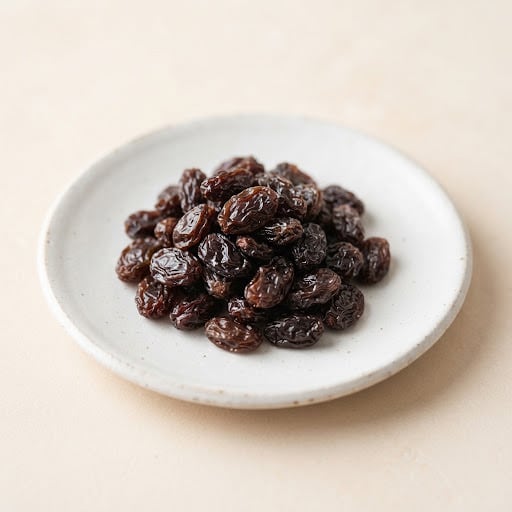
Babies can have raisins from about 6 months, but only when they are soaked, softened and finely chopped or blended into food. Whole raisins are small, sticky and chewy, which makes them a choking hazard for babies and young toddlers. Raisins are not a common allergen.
How to serve raisins by age
Shapes and textures change as your baby’s grasp and chewing grow.

6 months
Soak raisins in hot water for 10 to 15 minutes until plump, then blend them completely smooth and stir the puree into oatmeal or plain yogurt on a spoon. Do not offer whole raisins.

7–8 months
Chop soaked, plump raisins very finely or mash them roughly and stir them into thicker oatmeal or yogurt. You can also offer soft baked goods with finely chopped raisins and little added sugar.

9–12 months
Offer soaked, plump raisins chopped into small pieces and mixed into oatmeal, rice or muffins. Keep portions small and serve them as part of a meal.

12 months +
Toddlers can have soaked whole raisins once they chew well, served sitting down in small amounts. Raisins baked into muffins and breads are a softer option.
Why it’s good
Raisins give babies fiber, potassium, some iron and natural sugars for energy. Blended raisins are a handy way to sweeten foods without added sugar. Raisins are concentrated in sugar and stick to teeth, so small amounts are best.
Safety notes
- Dry whole raisins are small and sticky and can lodge in a young child's airway. Soak, chop or blend them for babies and young toddlers.
- Raisins stick to teeth. Serve them with meals rather than as a grazing snack, and brush or wipe teeth afterward.
- Yogurt-covered and chocolate-covered raisins contain added sugar. Wait until after 2 years and keep them as an occasional treat.
- Some dried fruit contains sulfites. Choose unsulfured raisins if your child is sensitive to sulfites.
- Raisins are toxic to dogs. Keep dropped raisins away from pets.
A low-allergy food, still worth watching
Raisins are not a common food allergen. Grape allergy is rare, but start with a small amount and watch for hives, vomiting or swelling.
Raisins for babies: questions parents ask
Quick answers about raisins for babies and toddlers.
When can babies have raisins?
Babies can have raisins from about 6 months, as long as the raisins are soaked and blended or chopped into food. Whole dry raisins should wait until your child chews well.
Can babies have raisins?
Yes, babies can eat raisins when they are soaked, softened and chopped or mashed. Raisins add natural sweetness and fiber to oatmeal, yogurt and baked goods.
Are raisins a choking hazard for babies?
Yes, raisins are a choking hazard for babies and young toddlers because they are small, firm and sticky. Soak raisins until plump and chop or blend them, and always stay with your baby while they eat.
Are raisins a common allergen?
No, raisins are not a common allergen and are not one of the Top 9 food allergens. Grape allergy is rare, but start with a small amount and watch for reactions.
How do I serve raisins to a 6 month old?
To serve raisins to a 6 month old, soak raisins in hot water until plump, then blend or mash them and stir into oatmeal or plain yogurt. Avoid whole raisins at this age.
Do raisins help with baby constipation?
Raisins contain fiber and natural sorbitol, which can help soften a baby's poops. Soaked, blended raisins mixed into oatmeal or yogurt are an easy way to offer them.
Are raisins bad for babies' teeth?
Raisins are sticky and high in natural sugar, so they can cling to teeth. Serve raisins with meals rather than as a snack between meals, and clean your baby's teeth daily.
When can babies have yogurt-covered or chocolate-covered raisins?
Yogurt-covered and chocolate-covered raisins are best saved until after 2 years because of their added sugar. Even then, offer them as an occasional treat and watch for choking.
Can babies have baked goods with raisins?
Babies can eat soft baked goods with raisins from about 7–8 months, as long as the baked goods have little added sugar and no honey. Baking softens raisins, but chop large ones first.
Are raisins good for toddlers?
Raisins can be a healthy food for toddlers 12 months and older in small amounts, giving fiber, potassium and some iron. Soak them until plump, serve them with a meal while your child is seated, and offer whole raisins only once your toddler chews well. Brush teeth afterward, since raisins are sticky and sugary.
The takeaway
- Babies can have raisins from about 6 months, but only when they are soaked, softened and finely chopped or blended into food.
- Soak raisins in hot water for 10 to 15 minutes until plump, then blend them completely smooth and stir the puree into oatmeal or plain yogurt on a spoon.
- Choking risk is high. Not a Top 9 allergen, but offer a small amount first and watch for any reaction.
Read next


Sources
This guide follows current advice from these organizations.
- Starting Solid Foods American Academy of Pediatrics (HealthyChildren.org)
- When, What, and How to Introduce Solid Foods Centers for Disease Control and Prevention
- Choking Hazards Centers for Disease Control and Prevention
- Choking Prevention American Academy of Pediatrics (HealthyChildren.org)
- Foods and Drinks to Avoid or Limit Centers for Disease Control and Prevention
- Dietary Guidelines for Americans, 2020-2025 U.S. Department of Agriculture and HHS
Track every new food in your baby’s passport
Track the first 100 foods and the Top 9 allergens. 7 days free.
More fruit for babies
Updated November 2026. Reviewed by our dietitians. Based on AAP, CDC and NIAID guidance. Written for healthy, full-term babies; not a substitute for your pediatrician. If your baby was born early, has a medical condition, feeding difficulties or a known allergy, check with them first (medical disclaimer). Always stay with your baby while they eat.