
Veggies Food Library
When can babies have microgreens?
Can babies have microgreens?
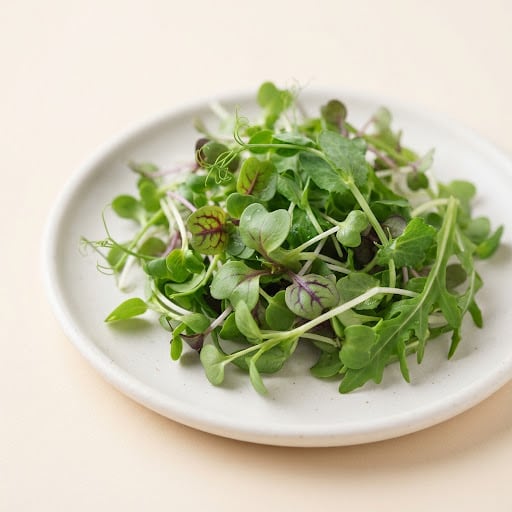
Babies can have microgreens from about 6 months, washed well and chopped finely into soft foods. Microgreens are tiny, tender young greens harvested above the soil, which is different from sprouts, but they are still eaten raw, so buy from a trusted source and rinse them. Small leaves can stick to the roof of the mouth, so mix them into moist foods.
How to serve microgreens by age
Shapes and textures change as your baby’s grasp and chewing grow.

6 months
Rinse microgreens well, chop them very finely or blend them, and stir a pinch into smooth mashed avocado, plain yogurt or pureed vegetables. You can also blend them into a smooth soup or pesto stirred into a puree.

7–8 months
Stir finely chopped microgreens into thicker, lumpier foods like fork-mashed avocado, scrambled egg or mashed potato so they stick to the food. Keep amounts small and well mixed.

9–12 months
Sprinkle finely chopped microgreens over scrambled eggs, pasta, omelet strips or toast spread with hummus or ricotta so they stick to the food. Keep amounts small and well mixed.

12 months +
Toddlers can have microgreens on sandwiches, in wraps, on pizza or mixed into salads. Let your toddler help snip them with child-safe scissors to build interest in greens.
Why it’s good
Microgreens such as broccoli, pea shoot, radish and sunflower greens contain vitamins C, K and E, folate and plant antioxidants, often in concentrated amounts by weight. A baby portion is small, so they work best as a nutrient and flavor sprinkle on top of other foods.
Safety notes
- Wash microgreens gently but thoroughly under running water before serving, and keep them refrigerated.
- Buy microgreens from a reputable grower or grow them yourself in clean soil. Avoid any that look slimy, wilted or smell off.
- Microgreens are different from sprouts, which grow in water and carry a higher food poisoning risk. Do not serve raw sprouts, sometimes sold next to microgreens, to babies.
- Small, flat leaves can cling to the roof of the mouth and cause gagging. Chop microgreens finely and mix them into moist foods.
- Some microgreens, like radish and mustard, taste peppery. Start with mild ones such as pea shoots, sunflower or broccoli.
A low-allergy food, still worth watching
Microgreens are not a common allergen in general, but some come from allergen families: sunflower greens, pea shoots or mustard greens could matter for children with those specific allergies. Introduce one type at a time and watch for hives, swelling or vomiting.
Microgreens for babies: questions parents ask
Quick answers about microgreens for babies and toddlers.
When can babies have microgreens?
Babies can have microgreens from about 6 months, once they are eating solids, if the greens are washed and chopped finely into soft foods. Start with mild varieties like pea shoots or broccoli microgreens.
Can babies have microgreens?
Yes, babies can eat microgreens in small amounts when they are rinsed well and mixed into moist foods. Microgreens add vitamins and fresh flavor but should not replace regular vegetables.
Are microgreens a choking hazard for babies?
Microgreens are a low choking hazard, but the tiny leaves can stick to the roof of the mouth and cause gagging. Chopping microgreens finely and mixing them into avocado, yogurt or egg helps, and always supervise meals.
Are microgreens a common allergen?
No, microgreens are not a common allergen as a group. Some types, like sunflower or mustard microgreens, come from plants that a few children are allergic to, so introduce one type at a time.
How do I serve microgreens to a 6 month old?
To serve microgreens to a 6 month old, rinse them, chop them finely and stir a small pinch into mashed avocado, plain yogurt or a vegetable puree. Microgreens can also be blended into soups or a nut-free pesto.
Are microgreens the same as sprouts?
Microgreens are not the same as sprouts. Microgreens grow in soil or a growing mat, get light and are cut above the roots, while sprouts grow in water and are eaten whole, which gives sprouts a higher risk of bacteria.
Are raw microgreens safe for babies?
Raw microgreens are generally considered lower risk than raw sprouts, but like any raw produce they can carry bacteria. Buy microgreens from a trusted source, keep them cold, wash them well, and cook them into foods if you prefer extra caution.
Which microgreens are best for babies?
Mild microgreens such as pea shoots, broccoli, sunflower, kale and beet microgreens are good first choices for babies. Spicier microgreens like radish, mustard and arugula are better once your child enjoys stronger flavors.
Are microgreens more nutritious than regular vegetables for babies?
Microgreens can have more of some vitamins per gram than mature vegetables, but babies eat them in tiny amounts. Microgreens are a nice extra, while regular vegetables still provide most of the fiber and nutrition.
The takeaway
- Babies can have microgreens from about 6 months, washed well and chopped finely into soft foods.
- Rinse microgreens well, chop them very finely or blend them, and stir a pinch into smooth mashed avocado, plain yogurt or pureed vegetables.
- Choking risk is low. Not a Top 9 allergen, but offer a small amount first and watch for any reaction.
Read next


Sources
This guide follows current advice from these organizations.
- Starting Solid Foods American Academy of Pediatrics (HealthyChildren.org)
- When, What, and How to Introduce Solid Foods Centers for Disease Control and Prevention
- Choking Hazards Centers for Disease Control and Prevention
Track every new food in your baby’s passport
Track the first 100 foods and the Top 9 allergens. 7 days free.
More vegetables for babies
Updated November 2026. Reviewed by our dietitians. Based on AAP, CDC and NIAID guidance. Written for healthy, full-term babies; not a substitute for your pediatrician. If your baby was born early, has a medical condition, feeding difficulties or a known allergy, check with them first (medical disclaimer). Always stay with your baby while they eat.