
Family foods Food Library
When can babies have mac and cheese?
Can babies have mac and cheese?
Babies can have mac and cheese from about 6 months if it is homemade or low in sodium and the pasta is cooked soft. Boxed and restaurant mac and cheese is often very salty, so keep it occasional. Mac and cheese contains two common allergens: dairy from the cheese and wheat from the pasta.
How to serve mac and cheese by age
Shapes and textures change as your baby’s grasp and chewing grow.

6 months
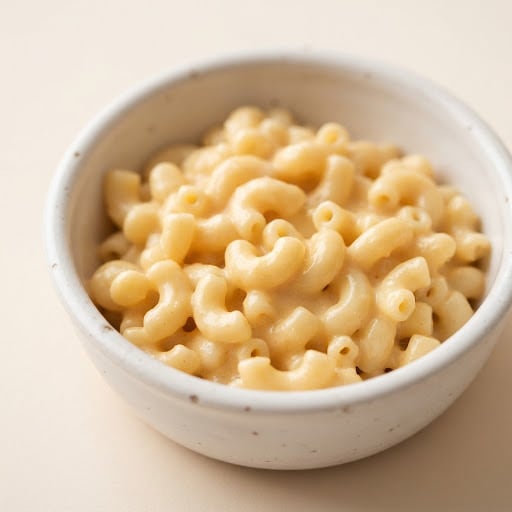
Make a simple homemade mac and cheese with tiny pasta like orzo or stelline cooked very soft and a mild, lower-sodium cheese like Swiss or mozzarella melted into whole cow's milk. Mash or blend it into a smooth, loose texture and offer it on a spoon.

7–8 months
Mash soft-cooked homemade mac and cheese with a fork so it keeps soft lumps, on a preloaded spoon. You can also offer larger soft pasta shapes like rotini coated in sauce for your baby to grab, as long as they squash easily between your fingers.

9–12 months
Serve elbow or small shell mac and cheese for pincer grasp practice. Stir in mashed butternut squash, pureed cauliflower, finely chopped broccoli or peas to add vegetables and stretch the cheese.

12 months +
Toddlers can share family mac and cheese. If you use a boxed mix, add only half the cheese powder and stir in extra milk and vegetables, and keep boxed versions to an occasional meal.
Why it’s good
Mac and cheese gives babies energy from pasta plus protein, calcium, fat and vitamin B12 from cheese and milk. It is low in iron and fiber, so adding vegetables, beans or a side of meat or fish makes it a more balanced meal.
Safety notes
- Boxed, frozen and restaurant mac and cheese can be very high in sodium. Make it at home with lower-sodium cheese, or use only part of the cheese packet.
- Use pasteurized cheese and milk only.
- Cook the pasta until soft and cool the dish well. Cheese sauce holds heat and can burn a baby's mouth.
- Thick, gluey cheese sauce can stick in the mouth. Thin it with a little whole cow's milk so it coats the pasta loosely.
- Store leftovers in the fridge and eat within 3 to 4 days. Reheat until steaming, then cool before serving.
Introduce mac and cheese on its own, then keep it in
Mac and cheese contains milk and wheat, two of the Top 9 allergens. Ideally introduce dairy and wheat separately first, then serve mac and cheese, and watch for hives, vomiting, swelling or wheezing.
Mac and cheese for babies: questions parents ask
Quick answers about mac and cheese for babies and toddlers.
When can babies have mac and cheese?
Babies can have mac and cheese from about 6 months, especially a homemade version made with soft pasta and lower-sodium cheese. Boxed mac and cheese is salty, so keep it as an occasional food.
Can babies have mac and cheese?
Yes, babies can eat mac and cheese from 6 months. Mac and cheese made at home lets you control the salt and add vegetables for more nutrition.
Is mac and cheese a choking hazard for babies?
Mac and cheese is a low choking risk for babies when the pasta is cooked soft. A thick, sticky cheese sauce can clump, so thin it with whole cow's milk and always stay with your baby while they eat.
Is mac and cheese a common allergen?
Yes, mac and cheese contains common allergens because it is made with dairy and usually wheat pasta. Introduce milk and wheat on their own first if you can, then offer mac and cheese.
How do I serve mac and cheese to a 6 month old?
To serve mac and cheese to a 6 month old, cook tiny pasta very soft in a mild homemade cheese sauce thinned with whole cow's milk, then mash or blend it smooth. Offer it on a spoon. Big soft spiral shapes your baby can pick up can follow at 7–8 months.
Is boxed mac and cheese OK for babies?
Boxed mac and cheese is high in sodium, so make it at home for babies under 12 months; toddlers can have boxed versions occasionally, using half the cheese powder. Use half the cheese powder, add extra milk, and mix in vegetables to lower the salt per bite.
What cheese is best for baby mac and cheese?
Lower-sodium cheeses like Swiss, fresh mozzarella and mild cheddar in small amounts work well for baby mac and cheese. Avoid processed cheese sauces and very salty cheeses like parmesan in large amounts.
Can I add vegetables to mac and cheese for my baby?
Yes, mac and cheese is an easy way to add vegetables for babies. Stir in pureed butternut squash, cauliflower or carrot, or finely chopped broccoli and peas.
Can mac and cheese cause constipation in babies?
Mac and cheese is low in fiber and high in cheese, so large or frequent servings may firm up stools in some babies. Adding vegetables and offering water with mac and cheese helps.
The takeaway
- Babies can have mac and cheese from about 6 months if it is homemade or low in sodium and the pasta is cooked soft.
- Make a simple homemade mac and cheese with tiny pasta like orzo or stelline cooked very soft and a mild, lower-sodium cheese like Swiss or mozzarella melted into whole cow's milk.
- Choking risk is low. Dairy is one of the Top 9 allergens: offer a small amount first, watch for a reaction, then keep it in the diet regularly.
Read next



Sources
This guide follows current advice from these organizations.
- Starting Solid Foods American Academy of Pediatrics (HealthyChildren.org)
- When, What, and How to Introduce Solid Foods Centers for Disease Control and Prevention
- Choking Hazards Centers for Disease Control and Prevention
- Foods and Drinks to Avoid or Limit Centers for Disease Control and Prevention
- The Effects of Early Nutritional Interventions on the Development of Atopic Disease in Infants and Children Greer FR, Sicherer SH, Burks AW; American Academy of Pediatrics. Pediatrics. 2019;143(4):e20190281
Track every new food in your baby’s passport
Track the first 100 foods and the Top 9 allergens. 7 days free.
More family foods for babies
Updated November 2026. Reviewed by our dietitians. Based on AAP, CDC and NIAID guidance. Written for healthy, full-term babies; not a substitute for your pediatrician. If your baby was born early, has a medical condition, feeding difficulties or a known allergy, check with them first (medical disclaimer). Always stay with your baby while they eat.