
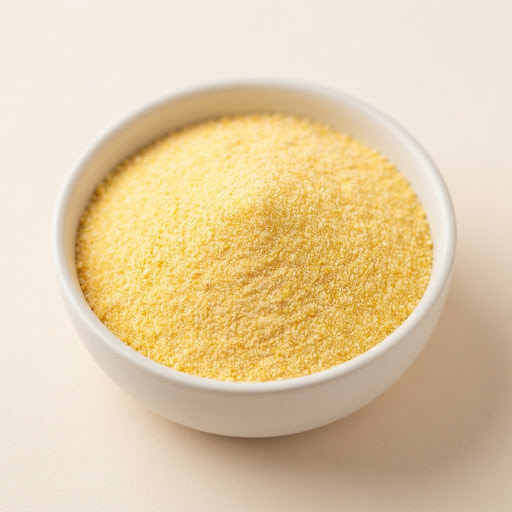
Grains Food Library
When can babies have cornflour?
Can babies have cornflour?
Babies can have foods made with cornflour from about 6 months, starting with smooth corn porridge or sauces thickened with cornstarch on a spoon, then soft polenta strips from 7–8 months and soft arepa pieces later. Cornflour is naturally gluten free and is not a common allergen. Choose versions without added salt or sugar.
How to serve cornflour by age
Shapes and textures change as your baby’s grasp and chewing grow.

6 months
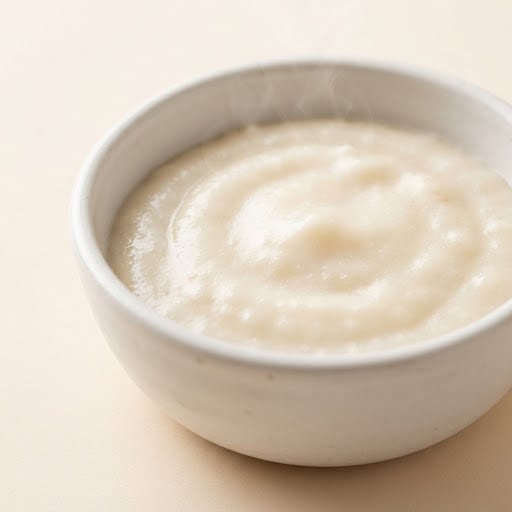
Cook fine cornmeal or maize flour into a smooth, loose porridge with water, breast milk or formula, cool it and offer it on a spoon. You can stir in a smooth fruit or vegetable puree for flavor, and cornstarch can thicken homemade fruit sauces.

7–8 months
Cook maize porridge a little thicker and stir in mashed fruit or vegetables for a lumpier texture. You can also make soft polenta, let it set and cut cooled pieces into finger-length strips that squash easily between your fingers.

9–12 months
Offer small pieces of soft corn pancakes, arepas or polenta, or mix maize porridge with mashed fruit or vegetables. Make sure the texture is soft, not crisp.

12 months +
Toddlers can have corn tortillas, cornbread, arepas and tamales as part of family meals. Keep salt low and avoid hard, crunchy corn chips.
Why it’s good
Cornflour gives babies energy from starch, and whole grain maize flour or masa adds fiber, B vitamins and some magnesium. Fine cornstarch is mostly starch with little other nutrition, so whole grain cornmeal and masa harina are more nutritious choices.
Safety notes
- Corn porridge and polenta can get very hot and sticky. Stir well and cool before serving.
- Crunchy corn chips, taco shells and corn snacks can break into sharp, hard pieces. Choose soft corn foods for babies.
- Packaged cornbread mixes and corn snacks may contain added salt, sugar or honey. Read labels.
- Store cornmeal and maize flour in a cool, dry, sealed container and throw it out if it smells musty or shows mold.
A low-allergy food, still worth watching
Cornflour is not a common food allergen and is not one of the Top 9. Corn allergy is uncommon, but introduce cornflour foods in small amounts and watch for hives, vomiting or swelling.
Cornflour for babies: questions parents ask
Quick answers about cornflour for babies and toddlers.
When can babies have cornflour?
Babies can have foods made with cornflour from about 6 months, once they are ready for solids. Maize porridge, soft polenta and sauces thickened with cornstarch are easy first options.
Can babies have cornflour?
Yes, babies can eat cornflour when it is cooked into soft foods like porridge, polenta or pancakes. Cornflour should not be eaten raw as dry powder.
Is cornflour a choking hazard for babies?
Cornflour is a low choking risk for babies when cooked into smooth porridge or soft polenta. Crunchy corn chips and taco shells are harder to manage, so offer soft corn foods and always supervise meals.
Is cornflour a common allergen?
No, cornflour is not a common allergen and is not one of the Top 9 food allergens. Corn allergy is uncommon, but start with a small amount and watch for signs of a reaction.
How do I serve cornflour to a 6 month old?
To serve cornflour to a 6 month old, cook fine maize flour into a smooth porridge and offer it on a spoon, mixing in mashed fruit or vegetables for flavor. Soft polenta cut into finger-length strips can follow at 7–8 months.
Is cornflour the same as cornstarch?
In the UK and Australia, cornflour usually means cornstarch, a fine white thickener. In the US, corn flour means finely ground whole corn, which is more nutritious than cornstarch.
Is cornflour gluten free?
Yes, pure cornflour is naturally gluten free. Check labels for cross-contact with wheat if your baby has celiac disease or a wheat allergy.
Can I use cornflour to thicken baby food?
Yes, a little cornflour can thicken homemade sauces, fruit compotes or soups for babies. Cook it until the mixture turns clear and glossy so the starch is fully cooked.
The takeaway
- Babies can have foods made with cornflour from about 6 months, starting with smooth corn porridge or sauces thickened with cornstarch on a spoon, then soft polenta strips from 7–8 months and soft arepa pieces later.
- Cook fine cornmeal or maize flour into a smooth, loose porridge with water, breast milk or formula, cool it and offer it on a spoon.
- Choking risk is low. Not a Top 9 allergen, but offer a small amount first and watch for any reaction.
Read next


Sources
This guide follows current advice from these organizations.
- Starting Solid Foods American Academy of Pediatrics (HealthyChildren.org)
- When, What, and How to Introduce Solid Foods Centers for Disease Control and Prevention
- Choking Hazards Centers for Disease Control and Prevention
- Foods and Drinks to Avoid or Limit Centers for Disease Control and Prevention
Track every new food in your baby’s passport
Track the first 100 foods and the Top 9 allergens. 7 days free.
More grains for babies
Updated November 2026. Reviewed by our dietitians. Based on AAP, CDC and NIAID guidance. Written for healthy, full-term babies; not a substitute for your pediatrician. If your baby was born early, has a medical condition, feeding difficulties or a known allergy, check with them first (medical disclaimer). Always stay with your baby while they eat.