
Grains Food Library
When can babies have cornbread?
Can babies have cornbread?
Babies can have cornbread from about 6 months if it is homemade or low in sugar and salt. Cornbread is crumbly and can clump in the mouth, so start by mashing it smooth with breast milk or formula, then offer thin, moist strips from 7–8 months. Most cornbread contains wheat flour, egg and milk, which are common allergens.
How to serve cornbread by age
Shapes and textures change as your baby’s grasp and chewing grow.

6 months
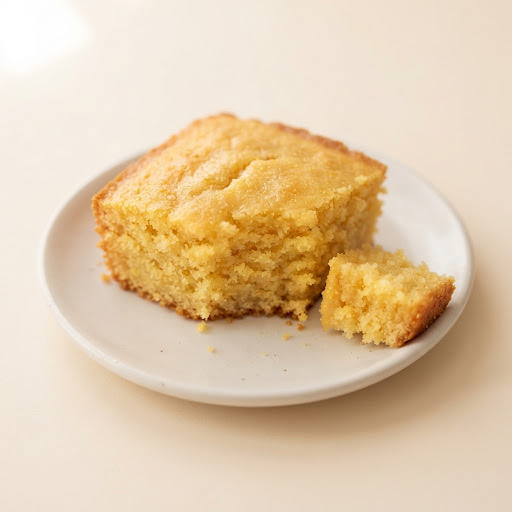
Crumble moist, homemade cornbread made with little or no sugar and salt and soak it in breast milk or formula, then mash it until smooth. You can also stir fine crumbs into a smooth bean or vegetable puree and serve it on a spoon.

7–8 months
Bake a moist cornbread with little or no sugar and salt, then cut it into strips about the size of an adult finger. Spread with a thin layer of unsalted butter, yogurt or mashed avocado to hold the crumbs together, and check that it squashes easily.

9–12 months
Offer small bite-size squares, about the size of a pea or a little larger, or break cornbread into soft pieces and mix into chili beans or stew so the crumbs stay moist.

12 months +
Toddlers can have family cornbread as a side with soups, chili and beans. Keep sweet cornbread mixes and honey butter occasional, and offer a drink with meals.
Why it’s good
Cornbread gives babies carbohydrates for energy, and homemade versions with egg and milk add some protein, fat and calcium. Using whole grain cornmeal adds a little fiber. Store-bought mixes are often high in sugar and sodium.
Safety notes
- Dry, crumbly cornbread can clump in the mouth. Choose a moist recipe, mash it smooth for young babies, and spread strips with butter, yogurt or avocado once your baby eats pieces.
- Do not use honey in cornbread or honey butter before 12 months because of the risk of infant botulism, even when baked.
- Boxed mixes and restaurant cornbread can be high in sugar and sodium. Bake your own with little or no added sugar and salt.
- Avoid cornbread with whole corn kernels, crunchy edges or large jalapeno pieces for young babies.
- Make sure cornbread is fully baked. Raw batter contains raw egg and raw flour, which can carry harmful bacteria.
Introduce cornbread on its own, then keep it in
Most cornbread contains wheat, egg and milk, all Top 9 allergens. Introduce these foods on their own first, then offer cornbread, and watch for hives, vomiting or swelling. Corn itself is rarely an allergen.
Cornbread for babies: questions parents ask
Quick answers about cornbread for babies and toddlers.
When can babies have cornbread?
Babies can have cornbread from about 6 months if it is made with little sugar and salt. Cornbread is best mashed smooth with breast milk or formula at first, then served in moist strips from 7–8 months so the crumbs do not clump.
Can babies have cornbread?
Yes, babies can eat cornbread from 6 months, ideally homemade. Cornbread from boxed mixes or restaurants is often sweet and salty, so keep it occasional.
Is cornbread a choking hazard for babies?
Cornbread is a medium choking risk because dry crumbs can clump in the mouth and crunchy edges can break off. Mash it smooth for young babies, serve moist strips with a spread once your baby is ready for pieces, avoid whole kernels, and stay with your baby while they eat.
Is cornbread a common allergen?
Yes, cornbread usually contains common allergens because most recipes include wheat flour, egg and milk. Introduce each of these allergens separately before serving cornbread.
How do I serve cornbread to a 6 month old?
To serve cornbread to a 6 month old, crumble a moist, low-sugar cornbread, soak it in breast milk or formula and mash it until smooth, or stir fine crumbs into a smooth puree. Offer it on a spoon. Moist cornbread strips with a thin spread can follow at 7–8 months.
Can babies have honey cornbread?
Babies should not have honey cornbread or honey butter before 12 months. Honey can cause infant botulism, and baking does not reliably make it safe for babies.
Is boxed cornbread mix OK for babies?
Boxed cornbread mix usually contains added sugar and salt, so it is best saved for an occasional taste after 12 months; homemade cornbread lets you skip the sugar and salt. Homemade cornbread lets you cut the sugar and use whole grain cornmeal.
Can babies have cornbread with corn kernels?
Babies under 12 months are better off with cornbread without whole corn kernels, which can be firm and slip down whole. Blend or chop the kernels finely if your recipe uses them.
Is cornbread gluten free?
Most cornbread is not gluten free because it contains wheat flour along with cornmeal. Cornbread made with only cornmeal or a gluten-free flour blend can work for babies who avoid wheat.
The takeaway
- Babies can have cornbread from about 6 months if it is homemade or low in sugar and salt.
- Crumble moist, homemade cornbread made with little or no sugar and salt and soak it in breast milk or formula, then mash it until smooth.
- Choking risk is medium. Wheat is one of the Top 9 allergens: offer a small amount first, watch for a reaction, then keep it in the diet regularly.
Read next


Sources
This guide follows current advice from these organizations.
- Starting Solid Foods American Academy of Pediatrics (HealthyChildren.org)
- When, What, and How to Introduce Solid Foods Centers for Disease Control and Prevention
- Choking Hazards Centers for Disease Control and Prevention
- Choking Prevention American Academy of Pediatrics (HealthyChildren.org)
- Foods and Drinks to Avoid or Limit Centers for Disease Control and Prevention
- Dietary Guidelines for Americans, 2020-2025 U.S. Department of Agriculture and HHS
- Botulism Prevention Centers for Disease Control and Prevention
- The Effects of Early Nutritional Interventions on the Development of Atopic Disease in Infants and Children Greer FR, Sicherer SH, Burks AW; American Academy of Pediatrics. Pediatrics. 2019;143(4):e20190281
Track every new food in your baby’s passport
Track the first 100 foods and the Top 9 allergens. 7 days free.
More grains for babies
Updated November 2026. Reviewed by our dietitians. Based on AAP, CDC and NIAID guidance. Written for healthy, full-term babies; not a substitute for your pediatrician. If your baby was born early, has a medical condition, feeding difficulties or a known allergy, check with them first (medical disclaimer). Always stay with your baby while they eat.