
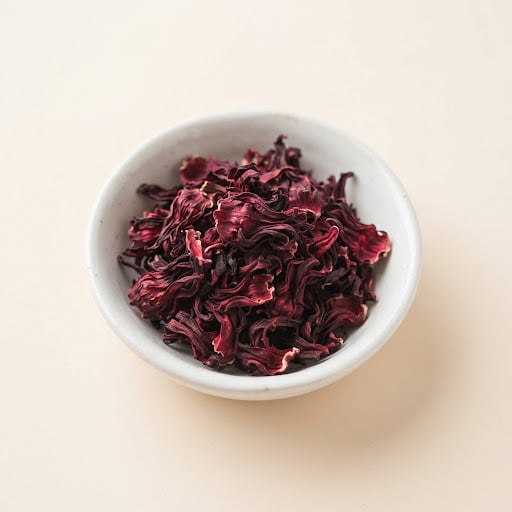
Herbs & spices Food Library
When can babies have hibiscus?
Can babies have hibiscus?
Babies can have edible hibiscus (also called sorrel, roselle or flor de Jamaica) from about 6 months, cooked until soft and finely chopped into food. Whole dried flowers are tough and can be a choking hazard. Hibiscus tea and sorrel drinks are usually sweetened, so skip them as drinks before 12 months.
How to serve hibiscus by age
Shapes and textures change as your baby’s grasp and chewing grow.

6 months
Simmer dried edible hibiscus calyces in water until very soft, then blend them into a completely smooth puree and stir a little into applesauce, oatmeal or plain yogurt. The tart, cranberry-like flavor and bright red color go a long way.

7–8 months
Mince well-cooked hibiscus very finely and stir it into thicker oatmeal, lumpy stewed fruit or yogurt. Do not offer hibiscus tea or sorrel drinks; breast milk or formula and sips of water remain the only drinks.

9–12 months
Offer finely chopped, well-cooked hibiscus mixed into rice, beans, or stewed fruit. You can also use a little cooled, unsweetened hibiscus cooking liquid to flavor oatmeal or chia pudding.

12 months +
Toddlers can try small sips of homemade, unsweetened hibiscus tea, cooled, now and then. Skip sweetened sorrel or agua de Jamaica until after age 2, and keep water and milk as the main drinks., and can eat soft chopped hibiscus in jams, tacos or salads. Keep water and milk as their main drinks.
Why it’s good
Hibiscus contains vitamin C and colorful anthocyanin antioxidants, and its tart taste can help babies learn to enjoy sour flavors. The amounts babies eat are small, so hibiscus is mostly about flavor and variety. Vitamin C in hibiscus can help with iron absorption when it is served with beans or fortified cereal.
Safety notes
- Whole dried hibiscus flowers are tough and leathery. Cook them until very soft and chop or puree them before serving to babies.
- Only use edible hibiscus (Hibiscus sabdariffa) sold for cooking or tea. Do not serve ornamental garden hibiscus, which may be treated with pesticides.
- Hibiscus drinks, sorrel and agua de Jamaica are usually high in sugar. Do not offer them as drinks before 12 months, and keep homemade versions unsweetened or lightly sweetened after that.
- Traditional sorrel drinks may contain alcohol such as rum, plus strong spices. Make a separate child-safe batch.
- Hibiscus may lower blood pressure and can interact with some medicines. Avoid hibiscus supplements and large amounts of tea for children, and ask your pediatrician if your child takes medication.
A low-allergy food, still worth watching
Hibiscus is not a common allergen, and reactions are rare. Watch for hives, swelling, vomiting or itchy mouth the first few times, and remember that red stains on skin and diapers are from the natural color, not a reaction.
Hibiscus for babies: questions parents ask
Quick answers about hibiscus for babies and toddlers.
When can babies have hibiscus?
Babies can have edible hibiscus from about 6 months, cooked until soft and chopped finely into food. Hibiscus drinks, which are usually sweetened, are best saved until after 12 months.
Can babies have hibiscus flowers?
Yes, babies can eat edible hibiscus flowers (Hibiscus sabdariffa) when they are cooked soft and finely chopped. Avoid ornamental garden hibiscus and do not serve whole dried flowers.
Is hibiscus a choking hazard for babies?
Whole dried hibiscus flowers can be a choking hazard because they are tough and chewy. Cook hibiscus until it is very soft and chop or puree it before serving to babies.
Is hibiscus a common allergen?
No, hibiscus is not a common allergen and is not one of the Top 9 food allergens. Allergic reactions to hibiscus are rare.
How do I serve hibiscus to a 6 month old?
To serve hibiscus to a 6 month old, simmer dried edible hibiscus until soft, puree or finely chop it, and stir a small amount into applesauce, oatmeal or yogurt. The tart flavor is strong, so start with just a little.
Can babies drink hibiscus tea or sorrel?
Babies under 12 months should not drink hibiscus tea, sorrel or agua de Jamaica, since babies only need breast milk or formula plus small sips of water. Toddlers can have small amounts of homemade unsweetened or lightly sweetened hibiscus drinks now and then.
Is hibiscus the same as sorrel?
In the Caribbean, sorrel is the name for the edible hibiscus calyces used to make a festive drink. Sorrel is also the name of a different leafy green herb, so check which one a recipe means.
Why did my baby's poop turn red after hibiscus?
Hibiscus has a deep red natural pigment that can tint stools, urine and skin. This is harmless, but call your pediatrician if you see red in the stool and your baby has not had red foods, or if your baby seems unwell.
The takeaway
- Babies can have edible hibiscus (also called sorrel, roselle or flor de Jamaica) from about 6 months, cooked until soft and finely chopped into food.
- Simmer dried edible hibiscus calyces in water until very soft, then blend them into a completely smooth puree and stir a little into applesauce, oatmeal or plain yogurt.
- Choking risk is medium. Not a Top 9 allergen, but offer a small amount first and watch for any reaction.
Read next



Sources
This guide follows current advice from these organizations.
- Starting Solid Foods American Academy of Pediatrics (HealthyChildren.org)
- When, What, and How to Introduce Solid Foods Centers for Disease Control and Prevention
- Choking Hazards Centers for Disease Control and Prevention
- Choking Prevention American Academy of Pediatrics (HealthyChildren.org)
Track every new food in your baby’s passport
Track the first 100 foods and the Top 9 allergens. 7 days free.
More herbs and spices for babies
Updated November 2026. Reviewed by our dietitians. Based on AAP, CDC and NIAID guidance. Written for healthy, full-term babies; not a substitute for your pediatrician. If your baby was born early, has a medical condition, feeding difficulties or a known allergy, check with them first (medical disclaimer). Always stay with your baby while they eat.