
Veggies Food Library
When can babies have escarole?
Can babies have escarole?
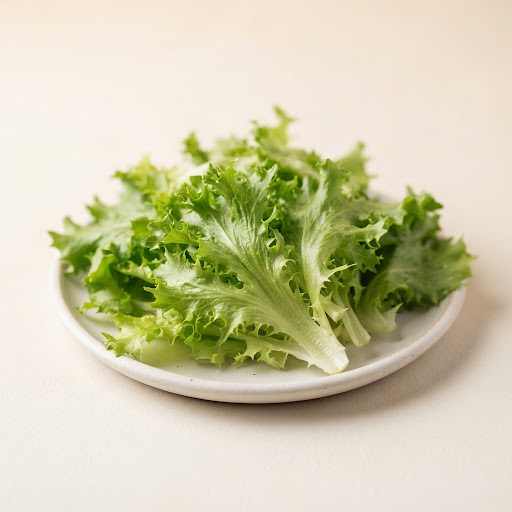
Babies can have escarole from about 6 months, cooked until soft and finely chopped. Escarole is a leafy green in the chicory family with a mildly bitter taste that softens with cooking. Raw leaves can stick to the roof of the mouth, so cooked escarole is best for young babies.
How to serve escarole by age
Shapes and textures change as your baby’s grasp and chewing grow.

6 months
Wash escarole well, then simmer or saute it until very soft and wilted. Blend it into a smooth soup or puree with white beans or potato and offer it on a spoon.

7–8 months
Chop soft-cooked escarole finely and mix it into mashed beans, potatoes, risotto or soft scrambled egg for a lumpier texture. A thick escarole soup also works for scooping or dipping a soft toast strip.

9–12 months
Offer finely chopped cooked escarole stirred into small pasta, polenta, lentils or omelet pieces. Babies can now pick up small clumps of chopped greens mixed into sticky foods.

12 months +
Toddlers can eat cooked escarole in soups like escarole and bean, in pasta or as a side, chopped into bite-size pieces. Try small amounts of finely shredded raw escarole in salads with a soft dressing if your toddler chews well.
Why it’s good
Escarole gives babies folate, vitamin K, vitamin A, vitamin C and fiber, plus potassium and a bit of calcium. Escarole's vitamin C helps the body absorb iron from plant foods eaten at the same meal. Its gentle bitterness is a useful flavor for babies to learn early.
Safety notes
- Wash escarole leaf by leaf, since grit and soil hide near the base of the head.
- Cook escarole until fully soft for babies. Raw leaves are thin and can cling to the roof of the mouth or throat, which can cause gagging.
- Chop cooked greens finely so long, stringy pieces do not form.
- Skip adding salty broth, bouillon or cheese for babies under 12 months, or use low-sodium versions in small amounts.
- Like other leafy greens, escarole contains natural nitrates. Offering it as one food in a varied diet is fine for babies over 6 months. Refrigerate cooked greens promptly and use them within a day or two.
A low-allergy food, still worth watching
Escarole is not a common allergen. Rare reactions to chicory-family plants, which include endive and radicchio, have been reported, so start with a small portion and watch for hives, swelling or vomiting.
Escarole for babies: questions parents ask
Quick answers about escarole for babies and toddlers.
When can babies have escarole?
Babies can have escarole from about 6 months of age, when they start solids. Escarole should be cooked until soft and chopped finely so the leaves are easy to manage.
Can babies have escarole?
Yes, babies can eat escarole once it is cooked until wilted and chopped small. Escarole is a nutritious leafy green that blends well into beans, grains and eggs.
Is escarole a choking hazard for babies?
Escarole is a low choking risk for babies when it is cooked soft and chopped finely. Raw or large leaves can cause gagging because they stick to the mouth, so keep pieces small and always stay with your baby while eating.
Is escarole a common allergen?
No, escarole is not a common allergen. Allergies to chicory-family vegetables are rare, but introduce a small amount first and watch for any reaction.
How do I serve escarole to a 6 month old?
To serve escarole to a 6 month old, wash the leaves, cook them until very soft and blend them smoothly with a food like white beans or potato. Offer the puree or a smooth escarole soup on a spoon; finely chopped escarole in lumpier mashes can follow at 7–8 months.
Is escarole bitter for babies?
Escarole is mildly bitter, especially the dark outer leaves, but cooking makes escarole much milder. Use the pale inner leaves first and mix escarole with naturally sweet foods like sweet potato or white beans if your baby makes a face.
Is escarole healthier than lettuce?
Escarole has more vitamin A, vitamin K and folate than iceberg lettuce and is closer to romaine in nutrition. Escarole holds up well to cooking, which makes escarole an easier green to serve to young babies than raw lettuce.
Can babies have raw escarole?
Raw escarole is not ideal for babies under 12 months because the thin leaves are hard to chew and can cause gagging. Cooked escarole is safer for babies, and toddlers can try finely shredded raw escarole once they chew well.
Can escarole help with baby constipation?
Escarole contains fiber and water, which can support softer stools as part of a varied diet. Pairing escarole with beans, fruit and whole grains and offering water with meals can help keep things moving.
The takeaway
- Babies can have escarole from about 6 months, cooked until soft and finely chopped.
- Wash escarole well, then simmer or saute it until very soft and wilted.
- Choking risk is low. Not a Top 9 allergen, but offer a small amount first and watch for any reaction.
Read next


Sources
This guide follows current advice from these organizations.
- Starting Solid Foods American Academy of Pediatrics (HealthyChildren.org)
- When, What, and How to Introduce Solid Foods Centers for Disease Control and Prevention
- Choking Hazards Centers for Disease Control and Prevention
- Infant Methemoglobinemia: The Role of Dietary Nitrate in Food and Water Greer FR, Shannon M; American Academy of Pediatrics. Pediatrics. 2005;116(3):784-786
Track every new food in your baby’s passport
Track the first 100 foods and the Top 9 allergens. 7 days free.
More vegetables for babies
Updated November 2026. Reviewed by our dietitians. Based on AAP, CDC and NIAID guidance. Written for healthy, full-term babies; not a substitute for your pediatrician. If your baby was born early, has a medical condition, feeding difficulties or a known allergy, check with them first (medical disclaimer). Always stay with your baby while they eat.