
No. 91 · Protein Passport food
When can babies have duck?
Can babies have duck?
Babies can have duck from about 6 months, once they are ready for solids. Duck is a rich, dark meat high in iron, but it should be cooked through and very tender, with the skin and excess fat removed. Start with duck blended smooth into a puree, then offer finely shredded duck and soft pieces from 7–8 months.
How to serve duck by age
Shapes and textures change as your baby’s grasp and chewing grow.

6 months
Braise or slow-roast duck legs until the meat pulls apart easily and is cooked through, then remove the skin, fat and all bones. Blend the meat with a little cooking liquid and smooth vegetable puree until completely smooth, and offer it on a spoon.

7–8 months
Shred tender, fully cooked duck very finely and stir it into mashed vegetables, lentils or soft rice for a lumpier texture. You can also offer a large piece of very tender braised leg meat that falls apart easily between your fingers, with all skin and bones removed.

9–12 months
Offer finely shredded duck or small bite-size pieces for pincer practice, or make soft patties with ground duck. Duck mixed into rice, noodles or lentils is an easy iron-rich meal.

12 months +
Toddlers can eat tender duck cut into small bite-size pieces with family meals. Keep removing crispy skin and skip salty sauces like hoisin or soy for now.
Why it’s good
Duck gives babies heme iron, the easily absorbed form of iron, plus protein, zinc, selenium and B vitamins. Duck meat has more iron than chicken or turkey. Most of the fat sits in and under the skin, so removing it leaves lean, nourishing meat.
Safety notes
- Remove all skin, excess fat and bones. Crispy duck skin is hard and chewy, and small poultry bones are a serious choking hazard.
- Cook duck to at least 165°F. Restaurants may serve duck breast pink, but babies should only have duck cooked all the way through.
- Never serve cubes or tough, dry chunks of duck. Slow-cooked leg meat is softer and easier for babies than seared breast.
- Peking duck, duck confit, smoked duck and duck sausage are high in sodium. Save them for occasional toddler tastes and cook duck plainly for babies.
- Wild duck shot by hunters can contain lead shot fragments. It is safest to avoid wild duck for babies and young children, or ask your pediatrician.
A low-allergy food, still worth watching
Duck meat is not one of the Top 9 allergens, and poultry allergy is uncommon. Duck eggs are a different food and are an egg allergen; any meat can rarely cause a reaction, so watch for hives, vomiting or swelling the first few times.
Duck for babies: questions parents ask
Quick answers about duck for babies and toddlers.
When can babies have duck?
Babies can have duck from about 6 months, as soon as they are ready for solids. Duck should be cooked through until very tender, with the skin, fat and bones removed.
Can babies have duck?
Yes, babies can eat duck from 6 months. Duck is rich in iron and protein, and it is safe when cooked well and served in an age-appropriate shape.
Is duck a choking hazard for babies?
Duck is a medium choking risk for babies because firm meat, crispy skin and small bones can block the airway. Serve duck in large soft strips or finely shredded, remove all bones and skin, and always stay with your baby while they eat.
Is duck a common allergen?
No, duck meat is not a common allergen and is not one of the Top 9. Duck eggs are different and count as an egg allergen, so introduce them separately.
How do I serve duck to a 6 month old?
To serve duck to a 6 month old, braise duck legs until the meat falls apart, remove the skin, fat and bones, then blend the meat with cooking liquid and smooth vegetables into a puree for the spoon. Finely shredded duck in mashes and soft pieces to hold can follow at 7–8 months.
Can babies have duck skin?
Duck skin is best skipped for babies because it is fatty, chewy and often salty or crispy. Remove the skin and serve the tender meat underneath.
Can babies have wild duck?
Wild duck is best avoided for babies because it can contain fragments of lead shot from hunting, and lead is harmful to young children. Farm-raised duck from a store or butcher is the safer choice.
Can babies have pink duck breast?
No, babies should not eat pink or rare duck breast. Duck for babies should be cooked to at least 165°F to kill harmful bacteria, then served shredded or in soft strips.
Can babies have duck eggs?
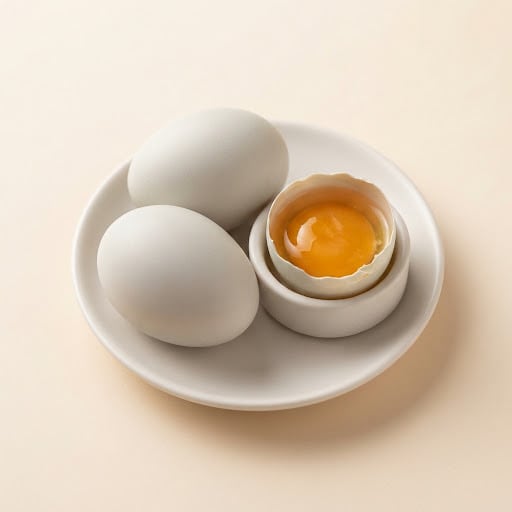
Babies can have well-cooked duck eggs from about 6 months, but duck eggs are an egg allergen just like chicken eggs. Introduce chicken egg first if possible, and cook duck eggs until the yolk and white are firm.
The takeaway
- Babies can have duck from about 6 months, once they are ready for solids.
- Braise or slow-roast duck legs until the meat pulls apart easily and is cooked through, then remove the skin, fat and all bones.
- Choking risk is medium. Not a Top 9 allergen, but offer a small amount first and watch for any reaction.
Read next


Sources
This guide follows current advice from these organizations.
- Starting Solid Foods American Academy of Pediatrics (HealthyChildren.org)
- When, What, and How to Introduce Solid Foods Centers for Disease Control and Prevention
- Choking Hazards Centers for Disease Control and Prevention
- Choking Prevention American Academy of Pediatrics (HealthyChildren.org)
- Foods and Drinks to Avoid or Limit Centers for Disease Control and Prevention
- Iron Centers for Disease Control and Prevention
Stamp duck in your baby’s passport
Track the first 100 foods and the Top 9 allergens. 7 days free.
More protein foods for babies
Updated November 2026. Reviewed by our dietitians. Based on AAP, CDC and NIAID guidance. Written for healthy, full-term babies; not a substitute for your pediatrician. If your baby was born early, has a medical condition, feeding difficulties or a known allergy, check with them first (medical disclaimer). Always stay with your baby while they eat.