
Protein Food Library
When can babies have duck eggs?
Can babies have duck eggs?
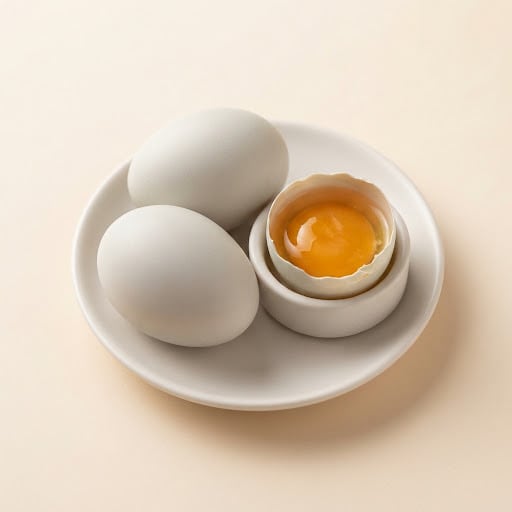
Babies can have duck eggs from 6 months, as long as they are fully cooked with firm whites and yolks. Duck eggs are richer than chicken eggs and give babies iron, protein and choline. Duck eggs are an egg allergen, and dry, crumbly egg can be a choking risk, so serve them moist and in safe shapes.
How to serve duck eggs by age
Shapes and textures change as your baby’s grasp and chewing grow.

6 months
Hard-boil a duck egg for about 12 to 15 minutes until the white and yolk are firm, then mash it smooth with a little breast milk, formula or plain yogurt. You can also stir well-mashed egg into vegetable puree and offer it on a spoon.

7–8 months
Mash hard-boiled duck egg more roughly so it has small soft lumps, or cut it into quarters lengthwise for your baby to hold. A fully cooked omelet sliced into soft strips about the width of two adult fingers also works.

9–12 months
Offer small bite-size pieces of hard-boiled duck egg or well-cooked scrambled duck egg for pincer-grasp practice. Mix in vegetables or cheese for variety.

12 months +
Toddlers can have duck eggs scrambled, hard-boiled, in frittatas or baked goods. Duck eggs are larger than chicken eggs, so one duck egg often replaces about one and a half chicken eggs in recipes.
Why it’s good
Duck eggs are rich in protein, iron, choline, vitamin B12, vitamin A and fat, which support growth and brain development. They are larger than chicken eggs with a bigger yolk, so they have more calories and more cholesterol per egg. Serving duck eggs with vitamin C foods like tomato or broccoli helps babies absorb the iron.
Safety notes
- Cook duck eggs fully, until both the white and yolk are firm. Duck eggs can carry Salmonella, so never serve them runny, raw or in undercooked dishes.
- Buy clean, uncracked duck eggs that have been kept refrigerated, and wash your hands after handling raw eggs.
- Dry, crumbly egg can stick in the throat. Mash hard-boiled egg with a little liquid or serve it in soft strips.
- Duck egg whites can turn rubbery when overcooked. Cook gently and cut into thin strips so they are easier to chew.
Introduce duck eggs on its own, then keep it in
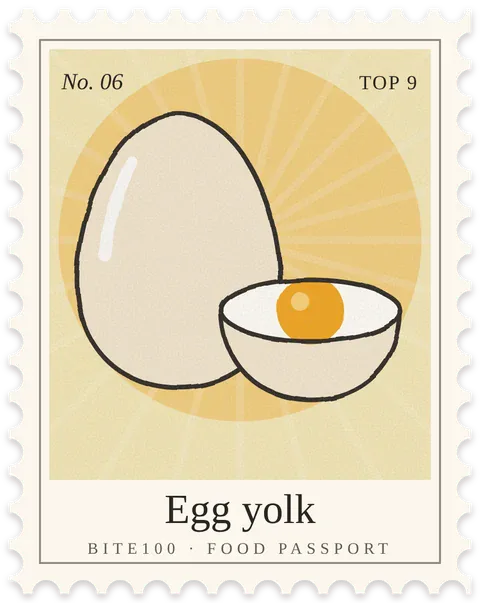
Duck eggs are an egg allergen, and egg is one of the Top 9 allergens. Children allergic to chicken eggs often react to duck eggs too, and some people react to duck eggs only, so introduce duck eggs as their own new food in a small amount and watch for hives, vomiting, swelling or breathing changes. Talk to your pediatrician first if your baby has severe eczema or a known egg allergy.
Duck eggs for babies: questions parents ask
Quick answers about duck eggs for babies and toddlers.
When can babies have duck eggs?
Babies can have duck eggs from 6 months, when they start solid food. Duck eggs must be fully cooked with no runny yolk or white before serving to a baby.
Can babies have duck eggs?
Yes, babies can eat duck eggs when they are fully cooked. Duck eggs are rich in protein, iron and choline, and they can be served the same ways as chicken eggs.
Are duck eggs a choking hazard for babies?
Duck eggs can be a choking hazard when served dry, crumbly or in rubbery chunks. Mash hard-boiled duck egg with a little liquid or cut omelet into soft strips, and always stay with your baby while eating.
Are duck eggs a common allergen?
Yes, duck eggs are a common allergen because egg is one of the Top 9 food allergens. Introduce a small amount of well-cooked duck egg first and keep eggs in the diet regularly once tolerated.
How do I serve duck eggs to a 6 month old?
To serve duck eggs to a 6 month old, hard-boil the egg until firm and mash it smooth with breast milk, formula or yogurt, then offer it on a spoon. Quartered egg or soft omelet strips to hold can follow at 7–8 months.
Are duck eggs healthier than chicken eggs for babies?
Duck eggs are larger and richer than chicken eggs, with more fat, iron and vitamin B12 per egg. Both are healthy choices for babies, so use whichever is easier for your family.
Can babies allergic to chicken eggs eat duck eggs?
Babies allergic to chicken eggs should not try duck eggs without talking to their allergist first. The proteins are similar, so many children react to both types of egg.
How long should I boil a duck egg for my baby?
Boil a duck egg for about 12 to 15 minutes, depending on its size, so the white and yolk are both firm. Cool it in cold water before peeling and serving.
How much duck egg can a baby have?
A baby only needs a small portion of duck egg, such as a quarter to a half of an egg at a meal. Because duck eggs are larger than chicken eggs, a whole duck egg is often too much for a young baby in one sitting.
The takeaway
- Babies can have duck eggs from 6 months, as long as they are fully cooked with firm whites and yolks.
- Hard-boil a duck egg for about 12 to 15 minutes until the white and yolk are firm, then mash it smooth with a little breast milk, formula or plain yogurt.
- Choking risk is medium. Egg is one of the Top 9 allergens: offer a small amount first, watch for a reaction, then keep it in the diet regularly.
Read next


Sources
This guide follows current advice from these organizations.
- Starting Solid Foods American Academy of Pediatrics (HealthyChildren.org)
- When, What, and How to Introduce Solid Foods Centers for Disease Control and Prevention
- Choking Hazards Centers for Disease Control and Prevention
- Choking Prevention American Academy of Pediatrics (HealthyChildren.org)
- Iron Centers for Disease Control and Prevention
- The Effects of Early Nutritional Interventions on the Development of Atopic Disease in Infants and Children Greer FR, Sicherer SH, Burks AW; American Academy of Pediatrics. Pediatrics. 2019;143(4):e20190281
Track every new food in your baby’s passport
Track the first 100 foods and the Top 9 allergens. 7 days free.
More protein foods for babies
Updated November 2026. Reviewed by our dietitians. Based on AAP, CDC and NIAID guidance. Written for healthy, full-term babies; not a substitute for your pediatrician. If your baby was born early, has a medical condition, feeding difficulties or a known allergy, check with them first (medical disclaimer). Always stay with your baby while they eat.