
Herbs & spices Food Library
When can babies have cayenne pepper?
Can babies have cayenne pepper?
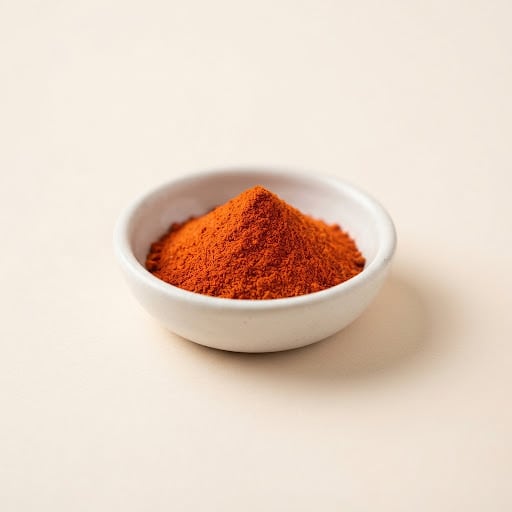
Babies can have a tiny pinch of cayenne pepper cooked into food from about 6 months. Cayenne is very hot, so start with a very small amount spread through a whole dish and build up slowly if your baby enjoys it. Cayenne pepper is not a common allergen.
How to serve cayenne pepper by age
Shapes and textures change as your baby’s grasp and chewing grow.

6 months
Add a very small pinch of cayenne pepper to a family dish like lentils, chili or a stew while it cooks, so the heat is spread thinly through the food. Blend or mash baby's portion smooth and serve it on a spoon, and never sprinkle cayenne directly on your baby's food.

7–8 months
Keep adding only a tiny pinch of cayenne while cooking, and serve baby's portion as a thicker, lumpy mash or as soft pieces, like a tender bean patty or soft roasted vegetable that squashes easily. Keep plain yogurt nearby to cool the mouth.

9–12 months
Keep cayenne to a tiny pinch spread through the whole dish so the heat stays barely noticeable; milder spices like sweet paprika are a better everyday choice. Keep plain yogurt or milk-based foods nearby to cool the mouth.

12 months +
Toddlers can share family meals spiced with cayenne pepper, adjusted to what they enjoy. Some toddlers love a bit of heat and others do not, and both are normal.
Why it’s good
Cayenne pepper is used in such small amounts that it adds little nutrition. Its value for babies is flavor: early exposure to a range of tastes, including gentle heat, may help children accept more foods later. It also lets you add flavor without adding salt.
Safety notes
- Use only a tiny pinch of cayenne pepper cooked into food at first. Large amounts can cause mouth discomfort, tummy upset or a sore bottom.
- Never put cayenne pepper powder directly in your baby's mouth or on fingers, since it can sting eyes and skin. Wash your baby's hands and face after spicy meals.
- Check spice blends like Cajun or taco seasoning, which often contain a lot of salt and sometimes sugar. Plain cayenne pepper is the better choice.
- Keep hot sauces for older toddlers, and look for low-sodium options. Many hot sauces are very high in salt.
- Buy cayenne from a trusted brand and store it sealed. Some imported ground spices have been recalled for lead or other contaminants.
A low-allergy food, still worth watching
Cayenne pepper is not a common allergen, but spice allergies can happen, and the burning feeling or red skin around the mouth from capsaicin is usually irritation rather than allergy. Stop and call your pediatrician if you see hives, swelling, vomiting or breathing problems.
Cayenne pepper for babies: questions parents ask
Quick answers about cayenne pepper for babies and toddlers.
When can babies have cayenne pepper?
Babies can have cayenne pepper from about 6 months, in very small amounts cooked into food. Start with just a pinch in a whole dish and increase slowly.
Can babies have spicy food like cayenne pepper?
Yes, babies can eat mildly spicy food with cayenne pepper. Many cultures share spicy dishes with babies, and a small amount of cayenne is fine if your baby seems comfortable.
Is cayenne pepper a choking hazard for babies?
Cayenne pepper is not a choking hazard for babies when it is cooked into food. Dry spice powder should never be given on its own, since it can be breathed in and cause coughing.
Is cayenne pepper a common allergen?
No, cayenne pepper is not a common allergen. Redness around the mouth after eating cayenne pepper is usually skin irritation from the heat, not an allergic reaction.
How do I serve cayenne pepper to a 6 month old?
To serve cayenne pepper to a 6 month old, stir a tiny pinch into a pot of food like lentil stew or mashed beans while cooking. Blend or mash baby's portion smooth, offer it on a spoon, and watch how your baby responds to the warmth.
What if cayenne pepper is too spicy for my baby?
If cayenne pepper is too spicy for your baby, offer a little plain yogurt, breast milk or formula to soothe the mouth. Next time, use less cayenne pepper or try a milder spice like paprika.
Can cayenne pepper upset a baby's stomach?
Large amounts of cayenne pepper can upset a baby's stomach or cause a red, sore bottom. Small amounts are usually well tolerated, so keep portions tiny and stop if your baby seems uncomfortable.
Can spicy food like cayenne pepper pass into breast milk?
Flavors from foods like cayenne pepper can pass into breast milk, and this is normal. Breastfeeding parents usually do not need to avoid spicy food unless their baby seems clearly bothered.
Is paprika the same as cayenne pepper?
Paprika and cayenne pepper both come from dried peppers, but sweet paprika is much milder. Sweet paprika is a gentle way to add pepper flavor for babies before trying cayenne pepper.
The takeaway
- Babies can have a tiny pinch of cayenne pepper cooked into food from about 6 months.
- Add a very small pinch of cayenne pepper to a family dish like lentils, chili or a stew while it cooks, so the heat is spread thinly through the food.
- Choking risk is low. Not a Top 9 allergen, but offer a small amount first and watch for any reaction.
Read next



Sources
This guide follows current advice from these organizations.
- Starting Solid Foods American Academy of Pediatrics (HealthyChildren.org)
- When, What, and How to Introduce Solid Foods Centers for Disease Control and Prevention
- Choking Hazards Centers for Disease Control and Prevention
Track every new food in your baby’s passport
Track the first 100 foods and the Top 9 allergens. 7 days free.
More herbs and spices for babies
Updated November 2026. Reviewed by our dietitians. Based on AAP, CDC and NIAID guidance. Written for healthy, full-term babies; not a substitute for your pediatrician. If your baby was born early, has a medical condition, feeding difficulties or a known allergy, check with them first (medical disclaimer). Always stay with your baby while they eat.