
Veggies Food Library
When can babies have chanterelle mushrooms?
Can babies have chanterelle mushrooms?
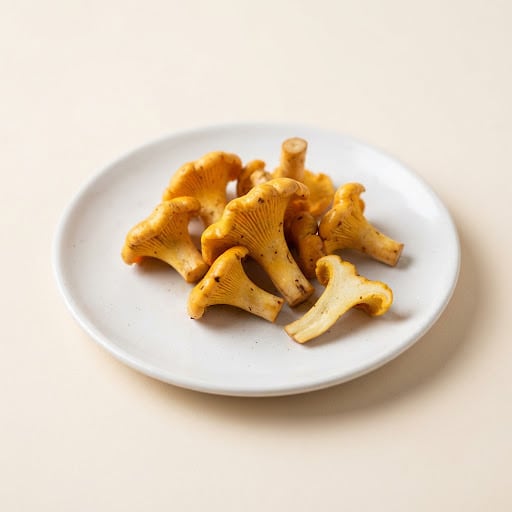
Babies can have chanterelle mushrooms from about 6 months, as long as they are well cooked and cut or chopped to suit their age. Chanterelles are chewy and the stems are firm, so cook them until soft and chop them finely for young babies. Only use chanterelles from a store or a trusted seller, never ones foraged by someone who is not an expert.
How to serve chanterelle mushrooms by age
Shapes and textures change as your baby’s grasp and chewing grow.

6 months
Brush off any dirt, saute chanterelles in a little unsalted butter or oil until very soft, then blend them with a little breast milk, formula or water into a smooth puree. Stir it into mashed potato or another smooth puree and offer it on a spoon.

7–8 months
Chop soft-cooked chanterelles very finely and stir them into lumpier mashed potato, risotto or scrambled egg, or blend them into a sauce for soft pasta. A soft omelet strip with finely chopped chanterelles folded in is easy for baby to hold.

9–12 months
Offer soft-cooked chanterelle pieces chopped to about the size of a chickpea, with the firmer stem ends trimmed off, mixed into pasta, eggs or rice for pincer-grasp practice.

12 months +
Toddlers can have chopped, cooked chanterelles in omelets, pasta, grain bowls and soups. Keep cutting them into bite-size strips until your child chews well, and keep serving them cooked rather than raw.
Why it’s good
Chanterelle mushrooms give babies some iron, vitamin D (especially when grown in sunlight), B vitamins, potassium and fiber. Their gentle, fruity, earthy flavor is a nice way to introduce savory tastes. Serving them with a vitamin C food like tomato or bell pepper helps the body absorb the iron.
Safety notes
- Only serve chanterelles bought from a grocery store, farmers market or trusted supplier. Wild mushrooms can look like poisonous ones, and some toxic mushrooms resemble chanterelles closely.
- Always cook chanterelles. Raw mushrooms are harder to digest and very rubbery, which makes them tougher to chew and swallow.
- Chanterelles stay chewy even when cooked, and the stems are the toughest part. Trim the stem ends and chop the caps finely for babies under 12 months.
- Cook without added salt for babies, and avoid store-bought mushroom sauces or soups that are high in sodium.
- Clean chanterelles with a soft brush or damp cloth just before cooking, and store them in a paper bag in the fridge for only a few days.
A low-allergy food, still worth watching
Chanterelle mushrooms are not a common allergen, and mushroom allergy is rare. As with any new food, start with a small amount and watch for rash, hives, vomiting or swelling.
Chanterelle mushrooms for babies: questions parents ask
Quick answers about chanterelle mushrooms for babies and toddlers.
When can babies have chanterelle mushrooms?
Babies can have chanterelle mushrooms from about 6 months, when they are ready for solid food. Chanterelles should be fully cooked until soft and finely chopped or blended for young babies.
Can babies have chanterelle mushrooms?
Yes, babies can eat chanterelle mushrooms when they are cooked and prepared safely. Buy chanterelles from a trusted source rather than foraging, since some poisonous mushrooms look very similar.
Are chanterelle mushrooms a choking hazard for babies?
Chanterelle mushrooms are a choking hazard for babies because they are chewy and the stems are firm. Cooking chanterelles until soft, trimming the stems and chopping them finely lowers the risk.
Are chanterelle mushrooms a common allergen?
No, chanterelle mushrooms are not a common allergen, and mushroom allergy is rare. Start with a small amount and watch for any signs of a reaction, as with every new food.
How do I serve chanterelle mushrooms to a 6 month old?
To serve chanterelle mushrooms to a 6 month old, saute them in a little unsalted butter or oil until very soft, then blend them smooth. Stir the chanterelles into a smooth food your baby already eats, such as mashed potato, and offer it on a spoon. Finely chopped chanterelles in scrambled egg or risotto can follow at 7–8 months.
Can babies have raw chanterelle mushrooms?
No, babies should not eat raw chanterelle mushrooms. Raw chanterelles are tough, rubbery and harder to digest, so always cook them until soft before serving.
Are chanterelle mushrooms healthy for babies?
Chanterelle mushrooms are a healthy addition for babies, offering iron, B vitamins, potassium, fiber and sometimes vitamin D. Pair chanterelles with a vitamin C food to help your baby absorb the iron.
Can chanterelle mushrooms help babies poop?
Chanterelle mushrooms contain fiber, which can help keep stools soft as part of a varied diet. Offer chanterelles with other fruits, vegetables and water to support regular bowel movements.
Is it safe to use foraged chanterelle mushrooms for babies?
Foraged chanterelle mushrooms are only safe if an experienced, trained forager has identified them with certainty. Look-alike mushrooms such as the jack-o'-lantern mushroom are poisonous, so store-bought chanterelles are the safer choice for babies.
The takeaway
- Babies can have chanterelle mushrooms from about 6 months, as long as they are well cooked and cut or chopped to suit their age.
- Brush off any dirt, saute chanterelles in a little unsalted butter or oil until very soft, then blend them with a little breast milk, formula or water into a smooth puree.
- Choking risk is medium. Not a Top 9 allergen, but offer a small amount first and watch for any reaction.
Read next


Sources
This guide follows current advice from these organizations.
- Starting Solid Foods American Academy of Pediatrics (HealthyChildren.org)
- When, What, and How to Introduce Solid Foods Centers for Disease Control and Prevention
- Choking Hazards Centers for Disease Control and Prevention
- Choking Prevention American Academy of Pediatrics (HealthyChildren.org)
- Foods and Drinks to Avoid or Limit Centers for Disease Control and Prevention
- Iron Centers for Disease Control and Prevention
Track every new food in your baby’s passport
Track the first 100 foods and the Top 9 allergens. 7 days free.
More vegetables for babies
Updated November 2026. Reviewed by our dietitians. Based on AAP, CDC and NIAID guidance. Written for healthy, full-term babies; not a substitute for your pediatrician. If your baby was born early, has a medical condition, feeding difficulties or a known allergy, check with them first (medical disclaimer). Always stay with your baby while they eat.