
Veggies Food Library
When can babies have celery?
Can babies have celery?
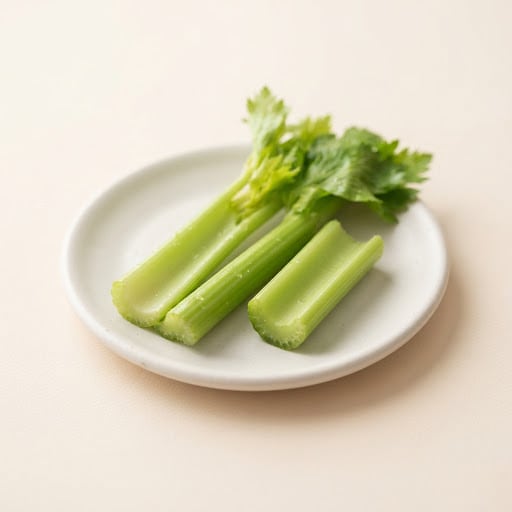
Babies can have celery from about 6 months when it is cooked until very soft or finely blended into food. Raw celery is hard, stringy and a high choking risk for babies and young children. Celery is not a Top 9 allergen in the US, but it is a recognized allergen in Europe.
How to serve celery by age
Shapes and textures change as your baby’s grasp and chewing grow.

6 months
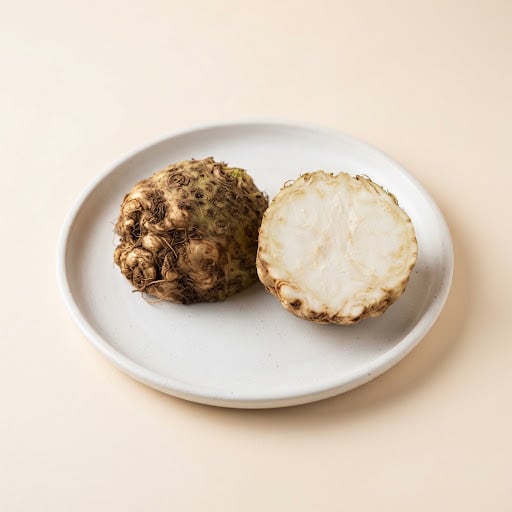
Peel off the strings with a vegetable peeler, then simmer or steam celery until very soft. Blend the cooked celery smooth into soups, lentil puree or mashed potato and offer it on a spoon rather than serving it on its own.

7–8 months
Finely mince soft-cooked, string-free celery and stir it into thicker, lumpier foods like mashed potato, lentils, soups or pasta sauce. Do not offer sticks, since cooked celery stays fibrous.

9–12 months
Keep celery cooked until soft and peeled of strings. Serve very small, soft pieces in soups, stews or pasta sauce, or as part of a mixed vegetable mash.

12 months +
Toddlers can keep eating soft-cooked celery in soups, stir-fries and sauces. Wait until about age 4 to offer raw celery sticks, and even then cut them thin and stay close.
Why it’s good
Celery gives babies vitamin K, folate, potassium and some fiber, along with lots of water. Celery is low in calories and is not a good source of iron, so it works best as a flavor-building vegetable in meals with protein and grains.
Safety notes
- Raw celery is a high choking risk. It is hard to bite through, and its long strings can catch in the throat. Do not serve raw celery sticks to babies or toddlers.
- Peel off the tough outer strings with a vegetable peeler before cooking, even when celery is cooked soft.
- Cooked celery can still be fibrous. Blend, mince or cut it very small, and check that it squashes easily between your thumb and finger.
- Celery contains natural nitrates. Normal servings are fine for babies over 6 months, but store cooked celery in the fridge and use it within 2 to 3 days.
- Wash celery well, including the base of the stalks where dirt collects.
A low-allergy food, still worth watching
Celery is not one of the Top 9 allergens in the US, but it is one of the 14 major allergens in the UK and EU, and celery allergy can cause serious reactions in some people. It is often linked to birch or mugwort pollen allergy, so introduce a small amount and watch for itching around the mouth, hives, vomiting or swelling.
Celery for babies: questions parents ask
Quick answers about celery for babies and toddlers.
When can babies have celery?
Babies can have celery from about 6 months when it is cooked until very soft and the strings are removed. Raw celery should wait until about age 4 because it is a high choking risk.
Can babies have celery?
Yes, babies can eat celery when it is cooked soft and blended, minced or cut very small. Celery adds flavor to soups, sauces and stews for the whole family.
Is celery a choking hazard for babies?
Yes, celery is a high choking hazard for babies when it is raw, because it is hard and stringy. Cooking celery until soft, peeling off the strings and blending or mincing it lowers the risk.
Is celery a common allergen?
Celery is not a Top 9 allergen in the US, but celery is one of the major allergens labeled in the UK and EU. Celery allergy is uncommon in babies, but watch for a reaction when you first offer celery.
How do I serve celery to a 6 month old?
To serve celery to a 6 month old, peel off the strings, then simmer the celery until very soft. Blend the cooked celery smooth into a food your baby already eats, like lentils, soup or mashed potato, and offer it on a spoon. Finely minced celery in lumpier foods can follow at 7–8 months.
When can babies have celery juice?
Babies should not have celery juice before 12 months, and juice is not needed at any age. Whole cooked celery in meals is a better choice, since juice removes fiber and can fill up small tummies.
Are the nitrates in celery safe for babies?
The nitrates in celery are safe for babies over 6 months in normal food amounts. Avoid homemade high-nitrate vegetable purees for babies younger than 3 months, and refrigerate cooked celery promptly.
When can toddlers have raw celery sticks?
Toddlers should wait until about age 4 for raw celery sticks, and even then the celery should be cut into thin strips. Always have children sit down to eat raw celery and stay with them.
Can babies chew on a raw celery stick for teething?
Babies should not chew on raw celery sticks for teething, because pieces can break off and cause choking. A clean, chilled teething ring is a safer choice than raw celery.
Is celery good for babies?
Yes, celery can be part of a baby's diet from about 6 months when it is cooked very soft, strings removed, and blended or minced into food. It adds vitamin K, folate, potassium and flavor to soups and sauces. Raw celery is a high choking risk, so wait until about age 4 for raw sticks.
The takeaway
- Babies can have celery from about 6 months when it is cooked until very soft or finely blended into food.
- Peel off the strings with a vegetable peeler, then simmer or steam celery until very soft.
- Choking risk is high. Not a Top 9 allergen, but offer a small amount first and watch for any reaction.
Read next


Sources
This guide follows current advice from these organizations.
- Starting Solid Foods American Academy of Pediatrics (HealthyChildren.org)
- When, What, and How to Introduce Solid Foods Centers for Disease Control and Prevention
- Choking Hazards Centers for Disease Control and Prevention
- Choking Prevention American Academy of Pediatrics (HealthyChildren.org)
- Infant Methemoglobinemia: The Role of Dietary Nitrate in Food and Water Greer FR, Shannon M; American Academy of Pediatrics. Pediatrics. 2005;116(3):784-786
Track every new food in your baby’s passport
Track the first 100 foods and the Top 9 allergens. 7 days free.
Recipes with celery
More vegetables for babies
Updated November 2026. Reviewed by our dietitians. Based on AAP, CDC and NIAID guidance. Written for healthy, full-term babies; not a substitute for your pediatrician. If your baby was born early, has a medical condition, feeding difficulties or a known allergy, check with them first (medical disclaimer). Always stay with your baby while they eat.