
Protein Food Library
When can babies have brown lentils?
Can babies have brown lentils?
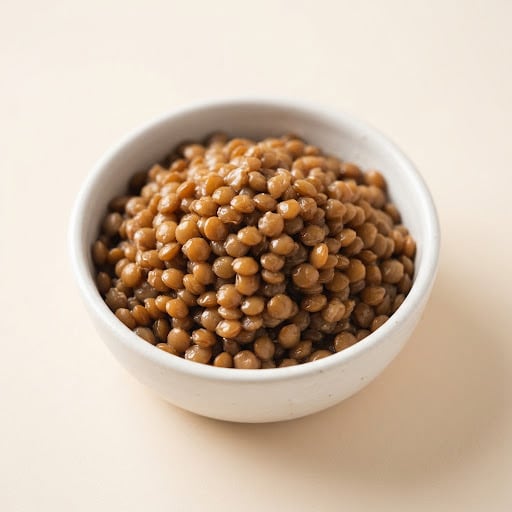
Babies can have brown lentils from about 6 months, cooked until very soft and mashed or mixed into other foods. Brown lentils are an inexpensive, iron-rich protein that many babies love. Well-cooked brown lentils are a low choking risk and are not a common allergen.
How to serve brown lentils by age
Shapes and textures change as your baby’s grasp and chewing grow.

6 months
Cook brown lentils until they are very soft and fall apart, then blend them with a little cooking water, breast milk or formula until smooth. Serve on a spoon or preloaded spoon, on their own or mixed into mashed sweet potato or oatmeal.

7–8 months
Mash soft-cooked lentils more roughly so they have small lumps, or stir them into thicker vegetable mashes. You can also spread lentil mash on soft toast strips or bind it with potato into soft patties that fall apart easily when pressed.

9–12 months
Offer whole, very soft cooked brown lentils on the tray for pincer practice, or mix them into rice, pasta or scrambled egg. Soft lentil patties or lentil meatballs cut into strips are easy for babies to pick up.

12 months +
Toddlers can have brown lentils in soups, stews, dal, sloppy joes, tacos and pasta sauce. Keep lentils well cooked and pair them with fruits or veggies high in vitamin C to help iron absorption.
Why it’s good
Brown lentils give babies plant iron, protein, zinc, folate and fiber, all important for growth and brain development. Pairing brown lentils with vitamin C foods like tomato, bell pepper, broccoli or strawberries helps baby absorb more of the iron. The fiber in lentils can also help keep stools soft.
Safety notes
- Cook brown lentils until they squash easily between your thumb and finger. Firm, undercooked lentils are hard to chew and can cause gagging or upset tummies.
- Never serve raw or sprouted raw lentils to babies. Raw legumes contain natural compounds that cooking breaks down.
- Rinse dry lentils and pick out any small stones or debris before cooking. A quick look on a light plate makes stones easy to spot.
- If using canned brown lentils, choose no-salt-added or low-sodium cans and rinse well to remove extra sodium.
- Cooked lentils can be grainy and coat the mouth for new eaters. Mash them with a little liquid, oil or yogurt so they are moist and smooth.
A low-allergy food, still worth watching
Brown lentils are not one of the Top 9 allergens, but legume allergies do happen, and lentil allergy is more common in some regions. Children with a peanut, pea or chickpea allergy may be more likely to react, so offer a small amount first and watch for hives, vomiting or swelling.
Brown lentils for babies: questions parents ask
Quick answers about brown lentils for babies and toddlers.
When can babies have brown lentils?
Babies can have brown lentils from about 6 months, as soon as they are ready for solids. Brown lentils should be cooked until very soft and mashed or blended for young babies.
Can babies have brown lentils?
Yes, babies can eat brown lentils, and brown lentils are one of the best plant sources of iron for babies. Brown lentils work well mashed, blended into purees or mixed into soft foods.
Are brown lentils a choking hazard for babies?
Brown lentils are a low choking risk when they are cooked until very soft. Undercooked or dry lentils can be hard to manage, so mash or moisten brown lentils for younger babies.
Are brown lentils a common allergen?
No, brown lentils are not a common allergen in the US. Lentil allergy is possible, especially in babies with other legume allergies, so start with a small serving and watch for any reaction.
How do I serve brown lentils to a 6 month old?
To serve brown lentils to a 6 month old, simmer them until they fall apart, then blend or mash smooth with a little cooking water, breast milk or formula. Offer the mash on a spoon or preloaded spoon. Lumpier lentils and soft lentil patties can follow at 7–8 months.
Do I need to soak brown lentils for my baby?
No, brown lentils do not need soaking before cooking, unlike dried beans. Rinse brown lentils, then simmer them for about 25 to 35 minutes, adding extra time until they are very soft for babies.
Can babies have canned brown lentils?
Yes, babies can have canned brown lentils if you choose a no-salt-added or low-sodium can and rinse them well. Canned brown lentils are usually soft already but can be mashed or warmed to make them easier to eat.
Do brown lentils cause gas or constipation in babies?
Brown lentils can cause some gas as a baby's gut adjusts to the fiber, but they are more likely to help with constipation than cause it. Start with small portions and offer water with meals.
What is the difference between brown, red and green lentils for babies?
Brown lentils hold their shape a little but turn soft when cooked longer, while red lentils break down into a smooth mush and green lentils stay firmer. All lentils are good for babies when cooked until soft.
How do I store and freeze cooked brown lentils?
Cooked brown lentils keep in the fridge for 3 to 4 days and freeze well for about 3 months. Freeze small portions of mashed brown lentils in an ice cube tray for quick baby meals.
The takeaway
- Babies can have brown lentils from about 6 months, cooked until very soft and mashed or mixed into other foods.
- Cook brown lentils until they are very soft and fall apart, then blend them with a little cooking water, breast milk or formula until smooth.
- Choking risk is low. Not a Top 9 allergen, but offer a small amount first and watch for any reaction.
Read next


Sources
This guide follows current advice from these organizations.
- Starting Solid Foods American Academy of Pediatrics (HealthyChildren.org)
- When, What, and How to Introduce Solid Foods Centers for Disease Control and Prevention
- Choking Hazards Centers for Disease Control and Prevention
- Iron Centers for Disease Control and Prevention
Track every new food in your baby’s passport
Track the first 100 foods and the Top 9 allergens. 7 days free.
More protein foods for babies
Updated November 2026. Reviewed by our dietitians. Based on AAP, CDC and NIAID guidance. Written for healthy, full-term babies; not a substitute for your pediatrician. If your baby was born early, has a medical condition, feeding difficulties or a known allergy, check with them first (medical disclaimer). Always stay with your baby while they eat.